Devixa
Devixa
Devixa
High-performance rack servers and computation nodes designed to process heavy telemetry data, execute AI model inferences at the edge, and store dense security logs.
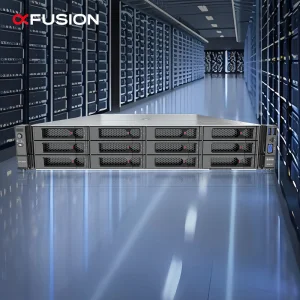
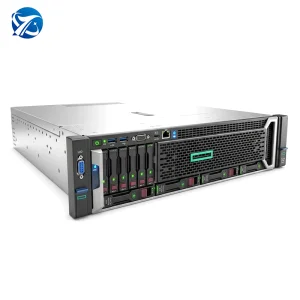
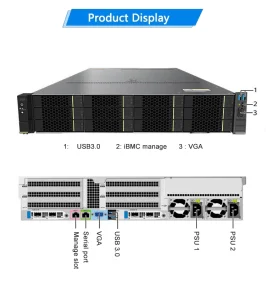
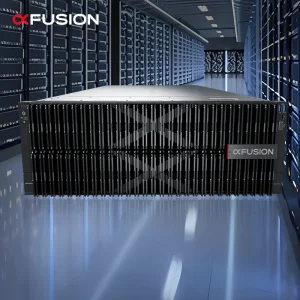
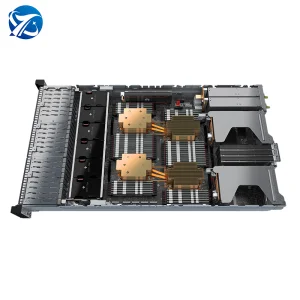
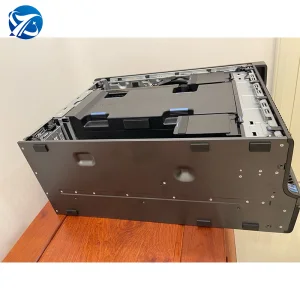
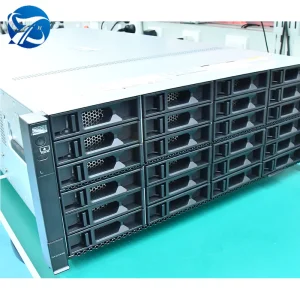
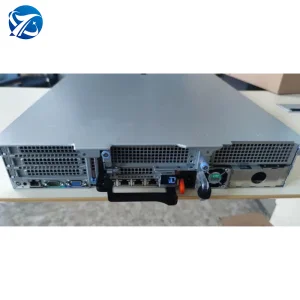
How physical infrastructure relies on computational backbones in 2025 and beyond.
Modern industrial sites deploy thousands of sensor gateways. Processing these metrics locally reduces bandwidth and safeguards operations in petrochemical, marine, and power grid grids.
Remote security camera arrays require real-time neural vision models. AI servers execute parallel inferencing to detect perimeter breaches, fire hazards, or machinery malfunctions instantly.
Massive arrays of historic vibration, temperature, and current metrics must be logged systematically to allow deep machine-learning algorithms to isolate patterns prior to equipment failure.
Across the globe, industrial entities are shifting from simple reactive maintenance to comprehensive, real-time remote monitoring systems. The primary challenge is no longer the acquisition of data, but its routing, transformation, and local analysis. As critical parameters scale, bandwidth restrictions and cloud processing latencies introduce significant vulnerabilities. For instance, in automated mining facilities or off-shore wind farms, waiting for raw telemetry to navigate global optical fiber loops down to a centralized hyper-scale cloud server before executing emergency overrides is highly inefficient.
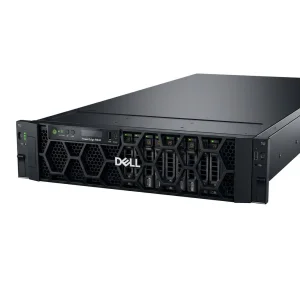
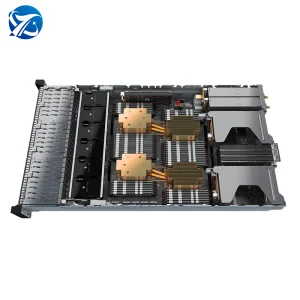
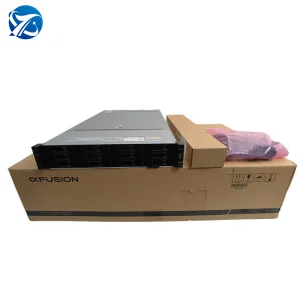
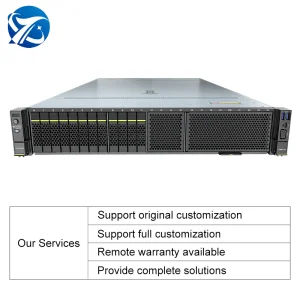
To overcome this, system integrators are deploying high-density, multi-socket x86 and ARM platforms locally at edge distribution substations. Incorporating powerful server configurations like the FusionServer 2258 V7 or the HPE ProLiant Compute DL360 Gen12 directly inside localized cabinets provides the low-latency response times required to monitor voltage fluxes, temperature deltas, and micro-vibrations across thousands of endpoints. These localized systems function as the computing heart of the broader remote monitoring topology, filtering out ambient signal noise and transmitting structured anomaly alerts back to the enterprise operations center.
Leveraging Devixa Technologies Inc.'s advanced hardware engineering to supply high-reliability cloud servers to the international remote monitoring market.
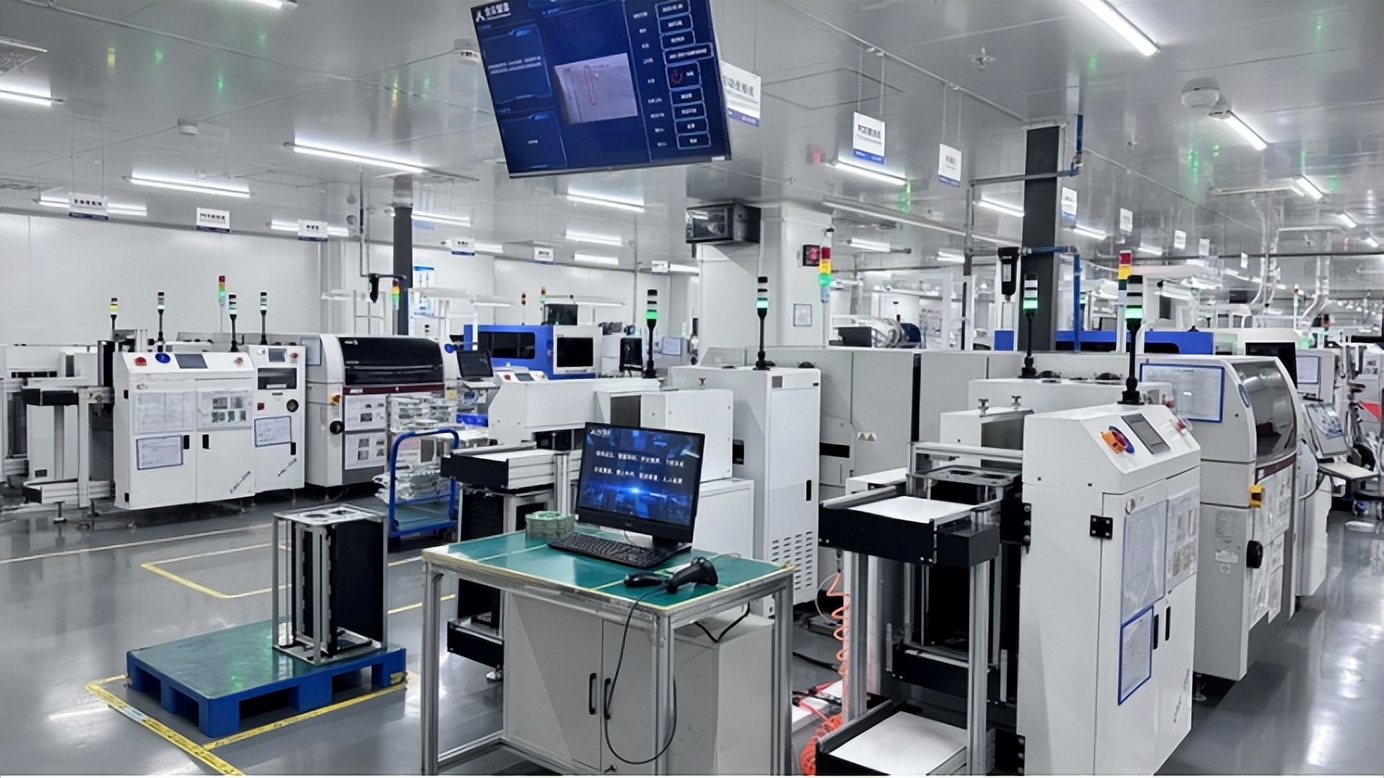
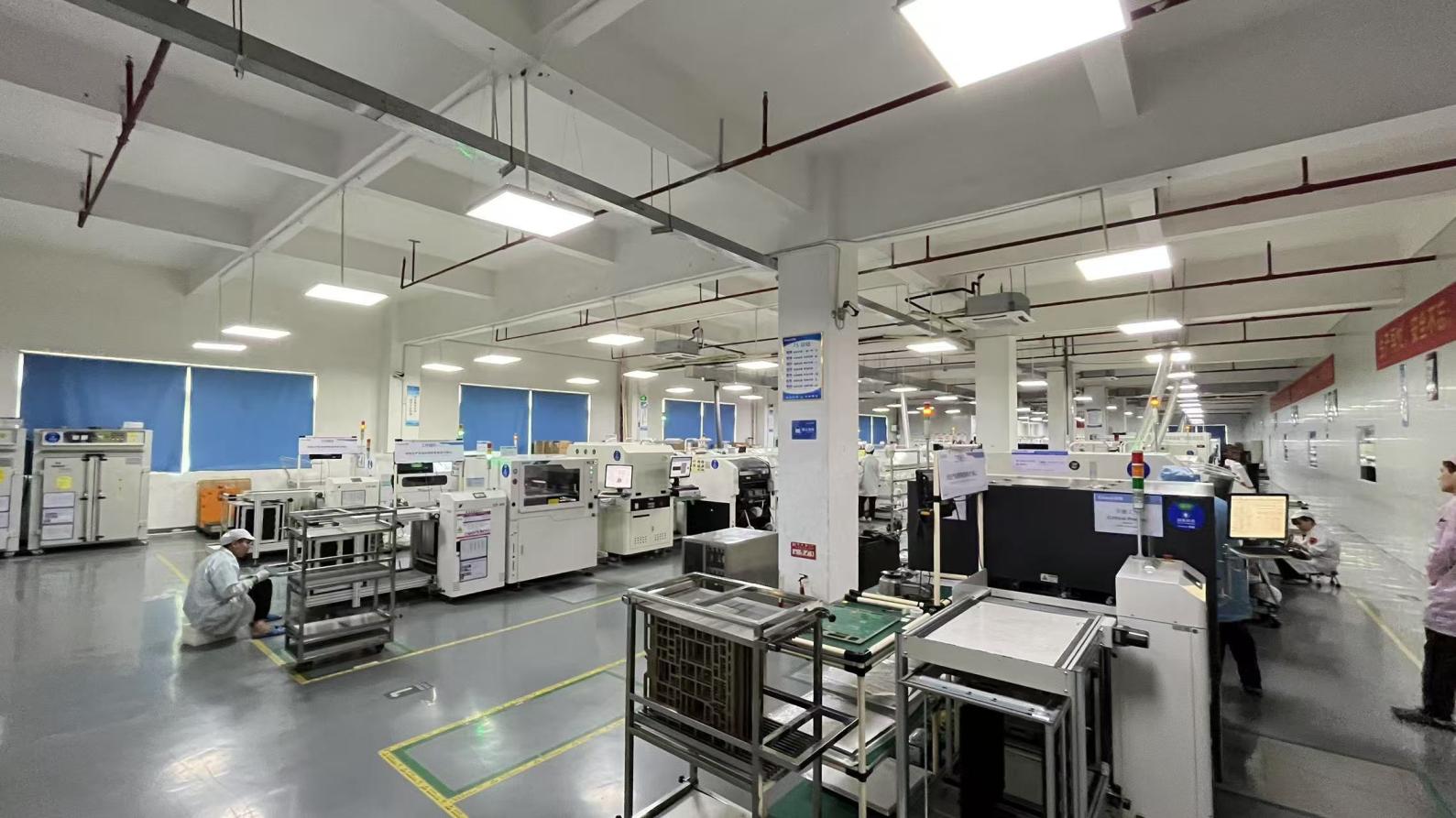
Sourcing hardware components for heavy remote monitoring programs calls for extreme reliability and customization options. Devixa Technologies Inc. (under the brand Devixa, available through https://www.devixagpu.com) is an industry-leading OEM/ODM hardware provider. Established on April 18, 2016, Devixa has spent over a decade building specialized knowledge in the design of scalable compute and storage platforms. With our 18,600 m² factory floor and 1,150 supply chain partners, we secure cost-effective component access, allowing us to build high-demand server models at unmatched speed.
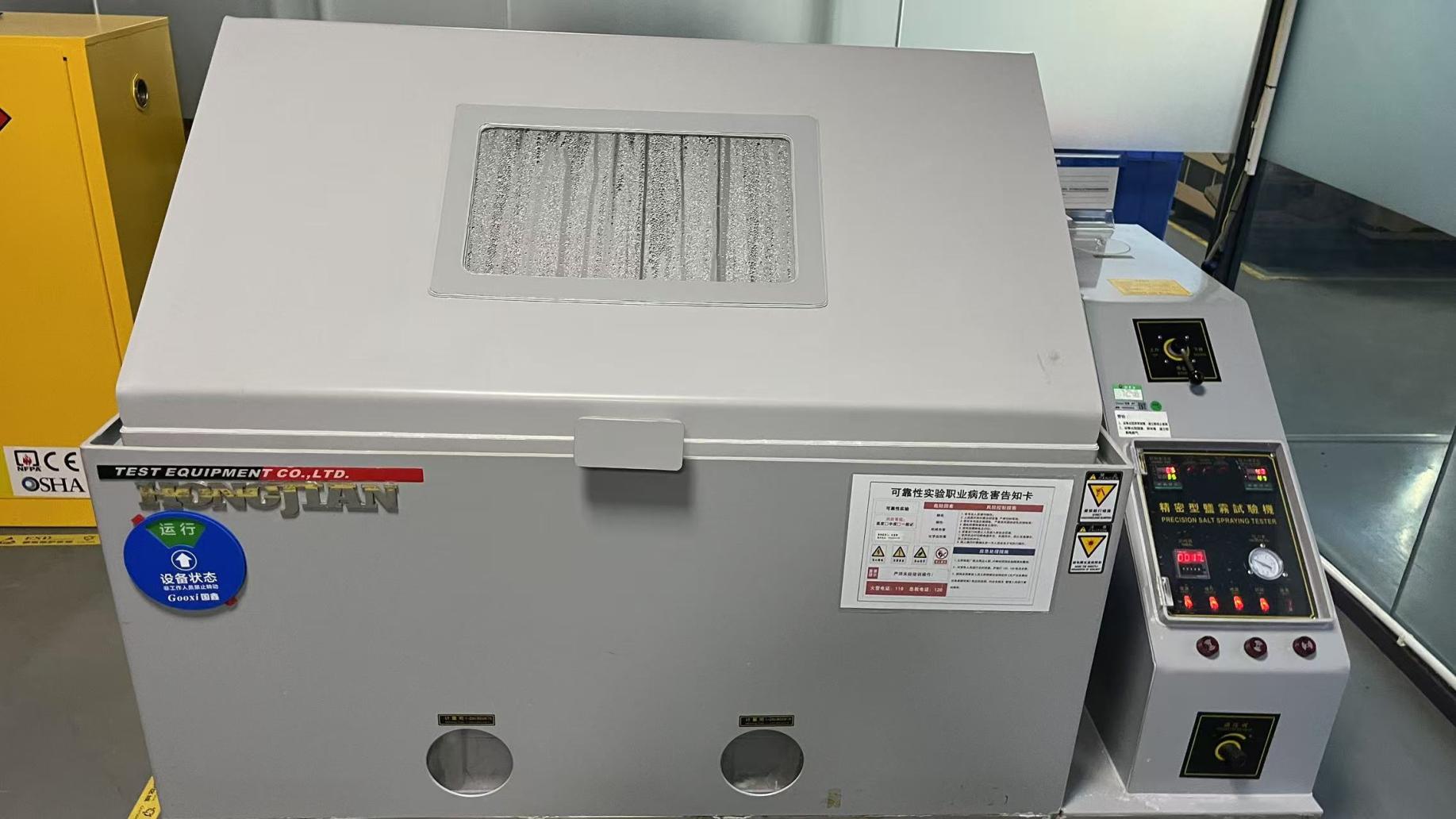
Our quality verification protocol is comprehensive: 100% Quality Inspection Before Shipment. Through systematic procedures spanning Incoming Material Inspection (IQC), In-Process Inspection (IPQC), Functional Testing, extended Burn-in Testing, Final Quality Control (FQC), and Outgoing Quality Inspection (OQC), we guarantee that every computing cluster operates under ideal thermal thresholds. This extreme diligence is critical for remote monitoring setups, where hardware failure leads directly to blind spots in operations.
| Strategic Capabilities | Devixa Operational Specifications & Design Criteria |
|---|---|
| Primary Market Coverage | North America, Western Europe, Southeast Asia, Middle East, Australia |
| Annual Hardware Export Revenue | USD 28.4 Million |
| Quality Assurance Staff | 42 Certified QC Professionals |
| R&D Capability | Independent Hardware Design, Firmware/BIOS Development, Custom AI Configurations |
| Manufacturing Lead Times | Systematic pipeline output, 68 new product variations released last year |
| Standard Conformity | Full integration validation with mainstream CPU & AI accelerator microarchitectures |
Solving critical industry problems through specialized computing hardware.
Traditional passive security monitoring is resource-heavy and slow. Real-time smart video monitoring structures depend on constant AI-driven video feeds. This requires processing capacities capable of running deep neural networks.
Solution Deployment: Using GPU-enabled architectures such as the HPE ProLiant Compute DL360 Gen12, system integrators can handle multiple concurrent 4K camera streams. Object-detection and classification models identify unauthorized access, smoke, or worker PPE compliance violations directly on-site.
High-vibration oil platforms and dynamic pumping stations produce millions of continuous sensor data points every second. Unstable satellite networks prevent constant cloud synchronization, meaning storage solutions must possess large write capacities.
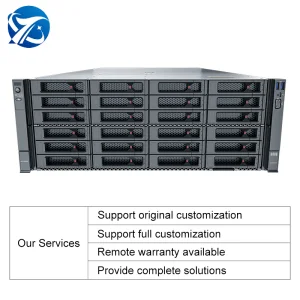
Solution Deployment: Storing data on-site requires resilient systems like the FusionServer 5885H V7. Designed with multiple 2.5-inch and 3.5-inch drive options, these systems serve as high-durability local NAS databases, keeping all vibration logs intact even during sudden network drops.
Balancing electricity distribution across regions depends on immediate analysis of grid telemetry. Load surges, transformer temperatures, and circuit health need local analysis to trigger automatic circuit breaks before a wider blackout happens.
Solution Deployment: Standardizing on server configurations like the xFusion FusionServer 2488H V6 allows grid companies to build highly redundant computation layers inside regional sub-stations. This enables automated decision-making at microsecond levels.
Strategic shifts driving next-generation hardware designs for procurement managers.
1. Shift to Edge AI Inference: The remote monitoring sector is moving rapidly towards smart processing at the edge. Centralized data processing faces cost and bandwidth challenges. As a result, edge nodes are now expected to execute complex AI inference tasks locally. Systems built for AI modeling, such as DeepSeek-AI compatible edge systems, are increasingly deployed in field environments.
2. Hardware Heterogeneity: Next-generation remote monitoring solutions require combinations of x86 processors, ARM architectures, and dedicated neural processors. A typical edge setup uses high-density storage drives alongside dedicated AI accelerators to handle both sensor databases and live stream feeds in a single box.
3. Zero-Trust Hardware Security: Because edge nodes are deployed in unattended locations, physical and system security is critical. Systems now feature custom TPM modules, encrypted firmware updates, and secure boot profiles, keeping localized telemetry systems protected from physical tampering.
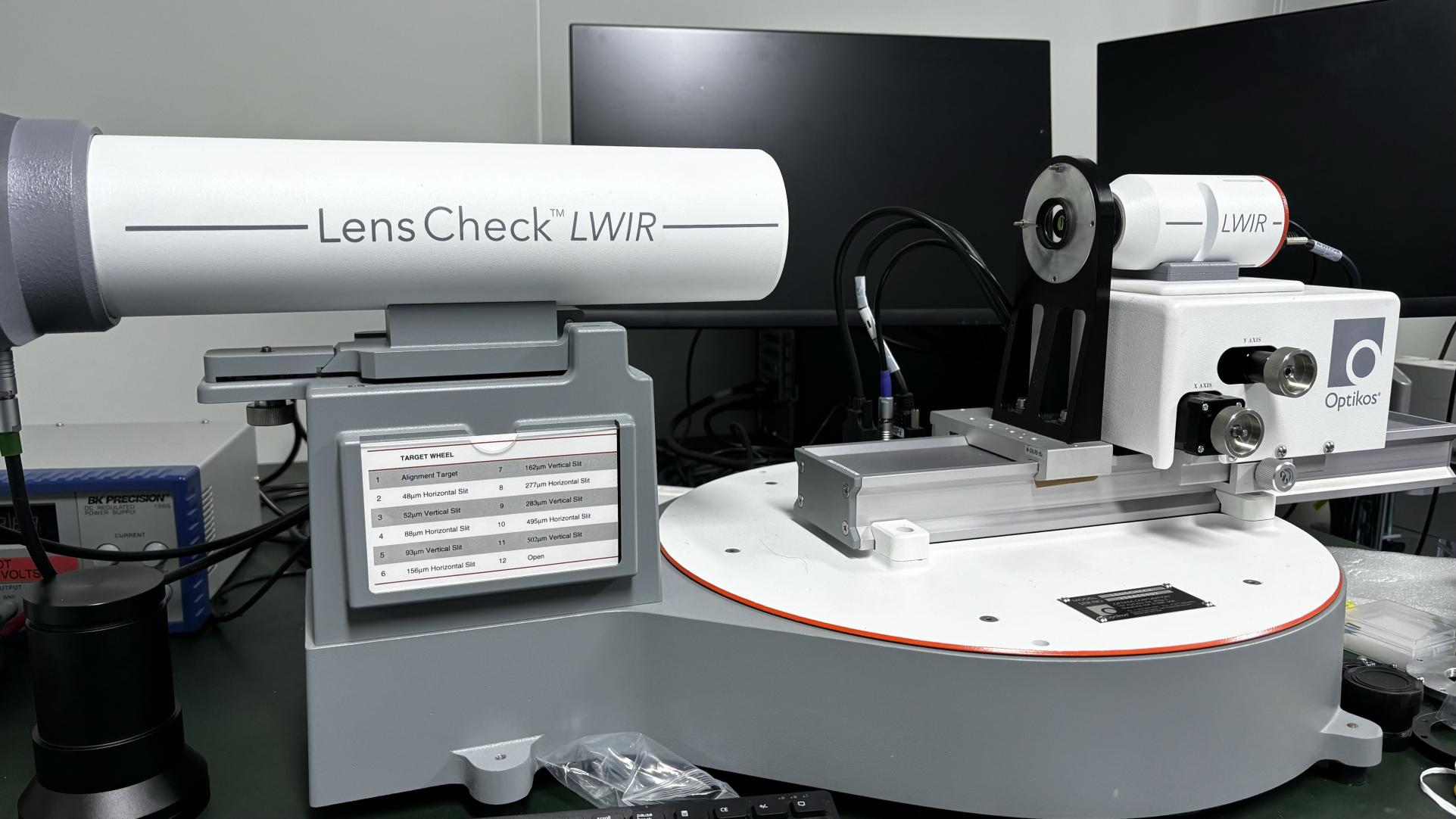
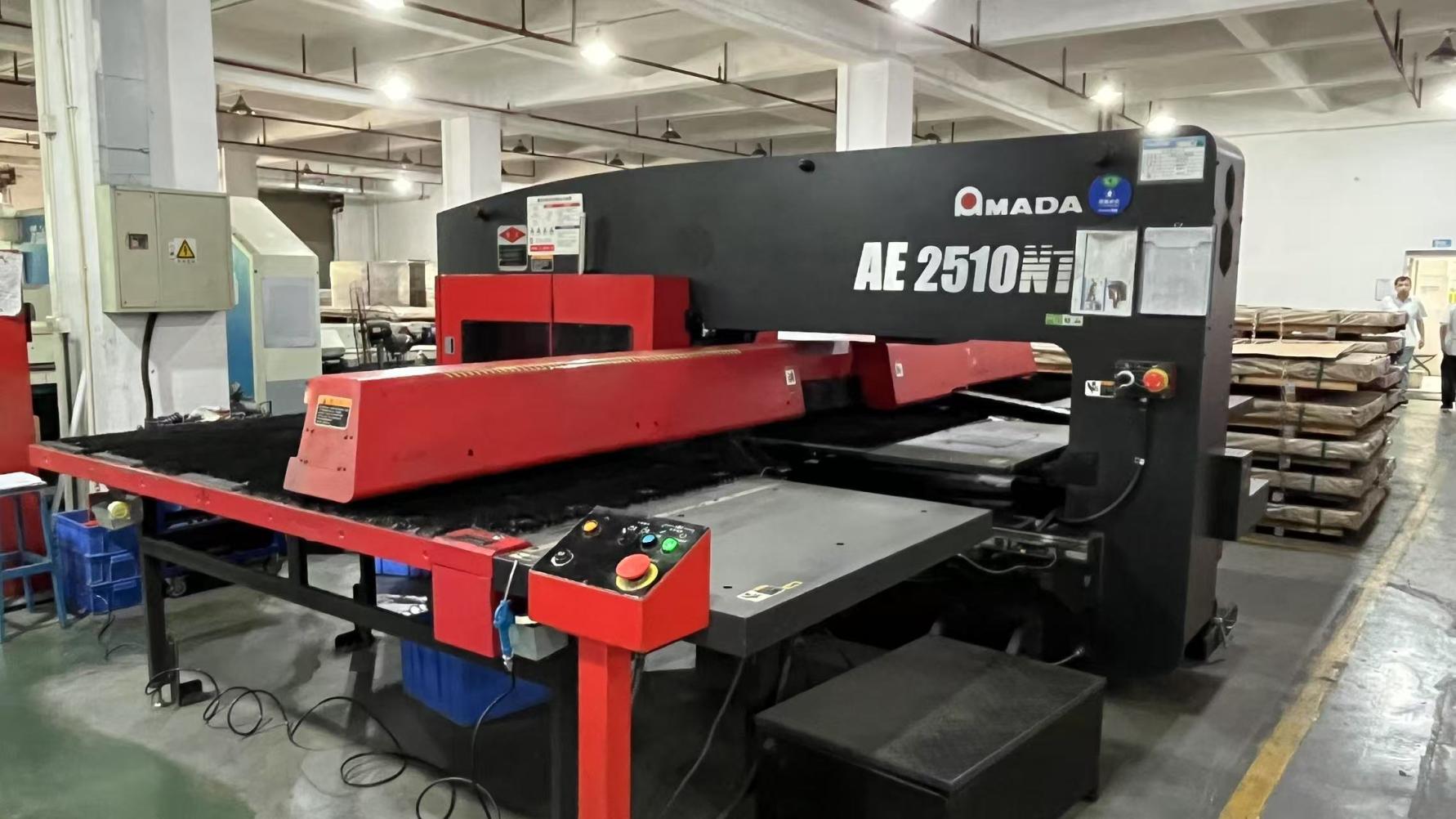
Visual verification of our R&D divisions, assembly pipelines, and quality verification zones.
Clear answers on hardware configurations, edge computing compatibility, and sourcing from Devixa.
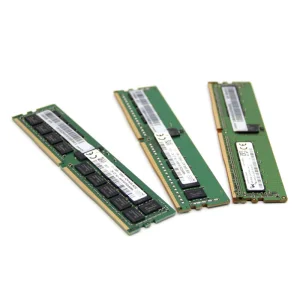
Direct procurement of reliable computing nodes, high-density server configurations, and memory components.