Devixa
Devixa
Devixa
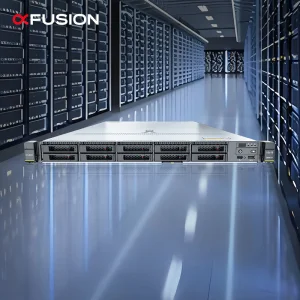
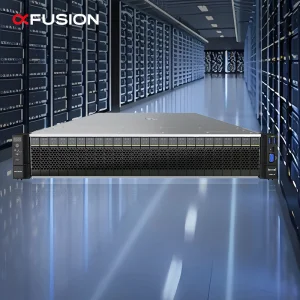
Explore our hot-selling base configurations, server controller options, and modular rack architectures optimized for dedicated environments.
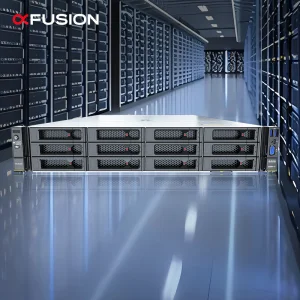
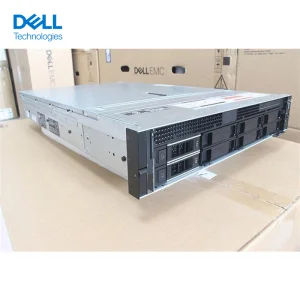
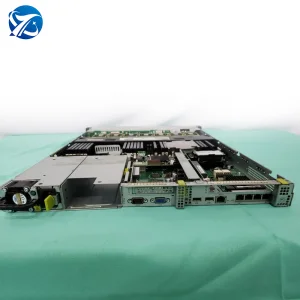
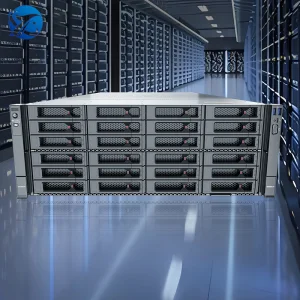
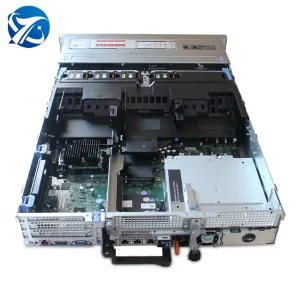
The global architecture of data storage and processing is undergoing a structural transition. Organizations are moving away from multi-tenant cloud environments to customized, dedicated bare-metal infrastructure. The primary driver of this transition is the emergence of deep learning, generative artificial intelligence models, and large dataset analysis. In this technological shift, standard cloud hypervisors introduce performance latency and elevate operational expenses.
As a prominent manufacturer and exporter of enterprise hardware, Devixa Technologies Inc. provides structural support to international system integrators and hosting providers. Devixa customizes physical servers to meet high density, thermal safety, and predictable latency standards. Enterprise-grade bare metal serves as the core layer of modern dedicated hosting, providing total hardware ownership, raw computational capacity, and compliance controls.
By leveraging Chinese manufacturing ecosystems, Devixa combines custom engineering capabilities with domestic hardware components to provide cost-effective options for enterprises seeking to scale their computational footprint globally.
The convergence of artificial intelligence training requirements and Edge computing topologies is transforming dedicated server hardware architecture.
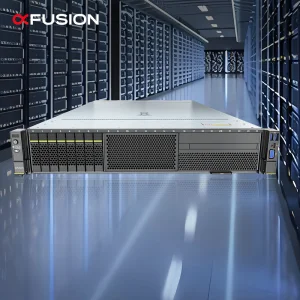
Modern enterprise hosting relies heavily on multi-GPU server designs (such as Devixa's optimized xFusion G5500 systems). These units support high-density configurations of specialized accelerators to execute complex models like DeepSeek R1 and large language models (LLMs) with high bandwidth efficiency.
Increased TDP (Thermal Design Power) on modern Intel Xeon and AMD EPYC architectures requires advanced cooling strategies. Liquid-to-air loop configurations and custom chassis designs are now required to prevent thermal throttling and ensure stable CPU performance in dense hosting facilities.
Data transfer rates require broad bandwidth. The inclusion of PCIe Gen 5.0 interface architectures, combined with advanced RAID controllers (such as the LSI 9560-16I 8GB series), minimizes data latency between NVMe storage arrays and processing units, enhancing general system capability.
Proven operational metrics and quality assurance workflows backing our global server exportation operations.
Artificial intelligence tasks demand raw processing capability and rapid model updating cycles. Devixa's multi-GPU rack servers, such as the GPU-optimized xFusion models, are engineered to handle dense matrix multiplication. By utilizing customized BIOS firmware, high-speed memory modules, and specialized data conduits, these systems support continuous workloads for transformer models and neural networks.
These servers are widely integrated by AI solution providers and research centers looking to scale their physical compute footprint while avoiding high public cloud subscription rates.
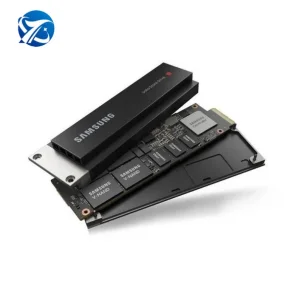
For transactional databases and data warehouse systems, physical latency represents the primary performance barrier. Implementing server storage setups with enterprise-grade NVMe SSDs (including Samsung PM883/PM893/PM9A3 series) allows host providers to deliver high levels of input/output operations per second (IOPS).
Combined with PCIe 4.0/5.0 RAID controllers, our database server systems provide hardware-level redundancy, mitigating data loss risks while maintaining high read/write speeds under heavy transactional strain.
Devixa Technologies Inc. (Brand: Devixa, Website: https://www.devixagpu.com) is a professional manufacturer specializing in AI GPU servers, high-performance computing (HPC) systems, GPU workstations, and customized AI infrastructure solutions. Since its establishment, Devixa has focused on delivering reliable, scalable, and energy-efficient computing platforms for artificial intelligence training, inference, cloud computing, big data analytics, scientific research, and enterprise data centers.
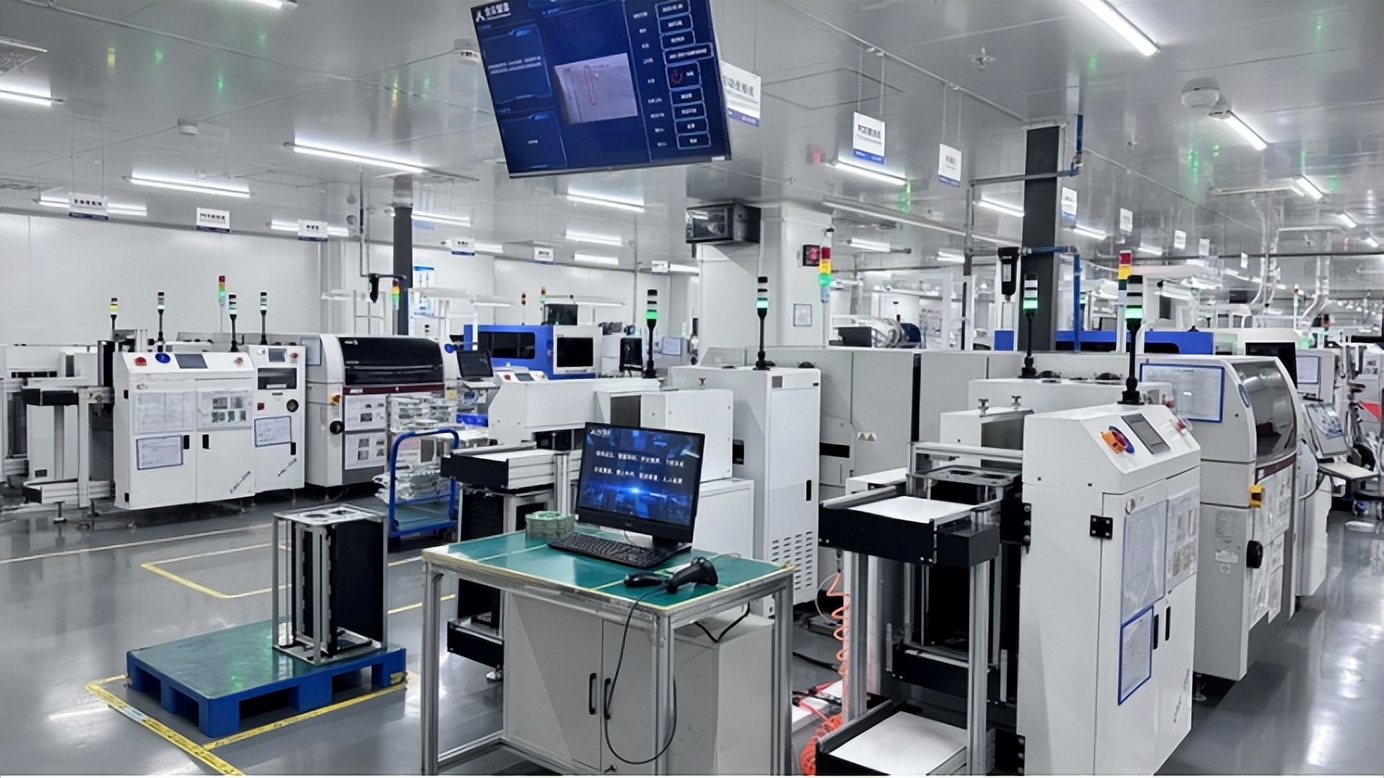
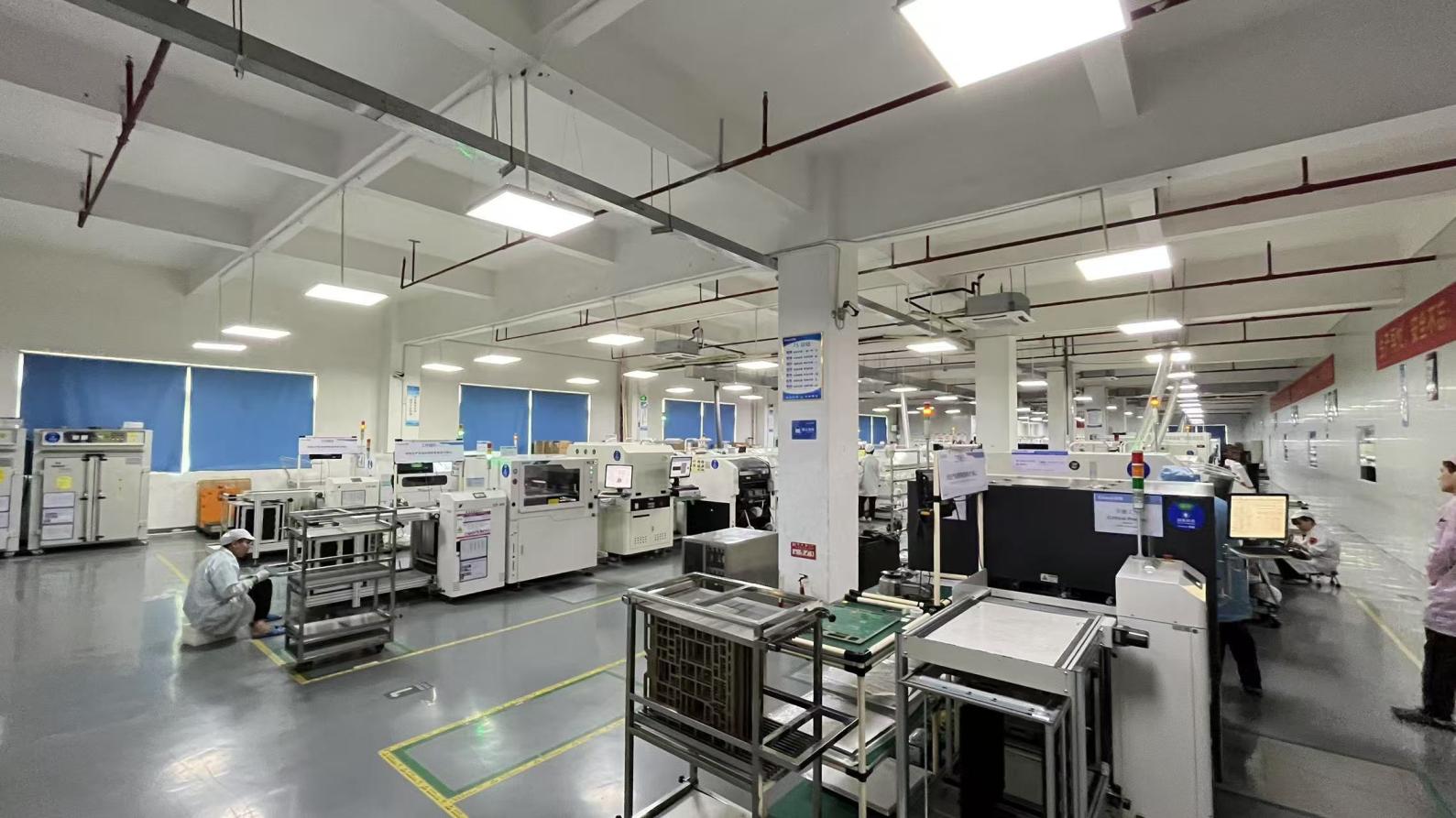
With a modern manufacturing facility covering 18,600 m², Devixa integrates hardware design, system integration, testing, and quality management under one roof. Our experienced engineering team continuously develops innovative GPU server platforms compatible with NVIDIA® and AMD® accelerator technologies, providing customers with flexible configurations tailored to different AI workloads.
Supported by a strong R&D team and a mature global supply chain, Devixa serves OEM, ODM, and private label customers worldwide. We are committed to strict quality control, fast delivery, and long-term technical support, helping partners build competitive AI infrastructure with dependable performance.
| Operational Parameter | Enterprise Verification Details |
|---|---|
| Company Registration Date | April 18, 2016 |
| Factory Footprint | 18,600 m² (Integrated Facility) |
| Annual Export Volume | USD 28.4 Million |
| Export Experience | 8 Years (Active Global Delivery) |
| Industry Experience | 10 Years (Enterprise Server Engineering) |
| Quality Control Staff | 42 Dedicated QC Engineers & Inspectors |
| R&D Staff Scale | 126 Engineers (Firmware, Thermal, Electrical) |
| Supply Chain Network | 1,150 Certified Component & Materials Partners |
| New Products (Last Year) | 68 Verified Server Configurations & Accessories |
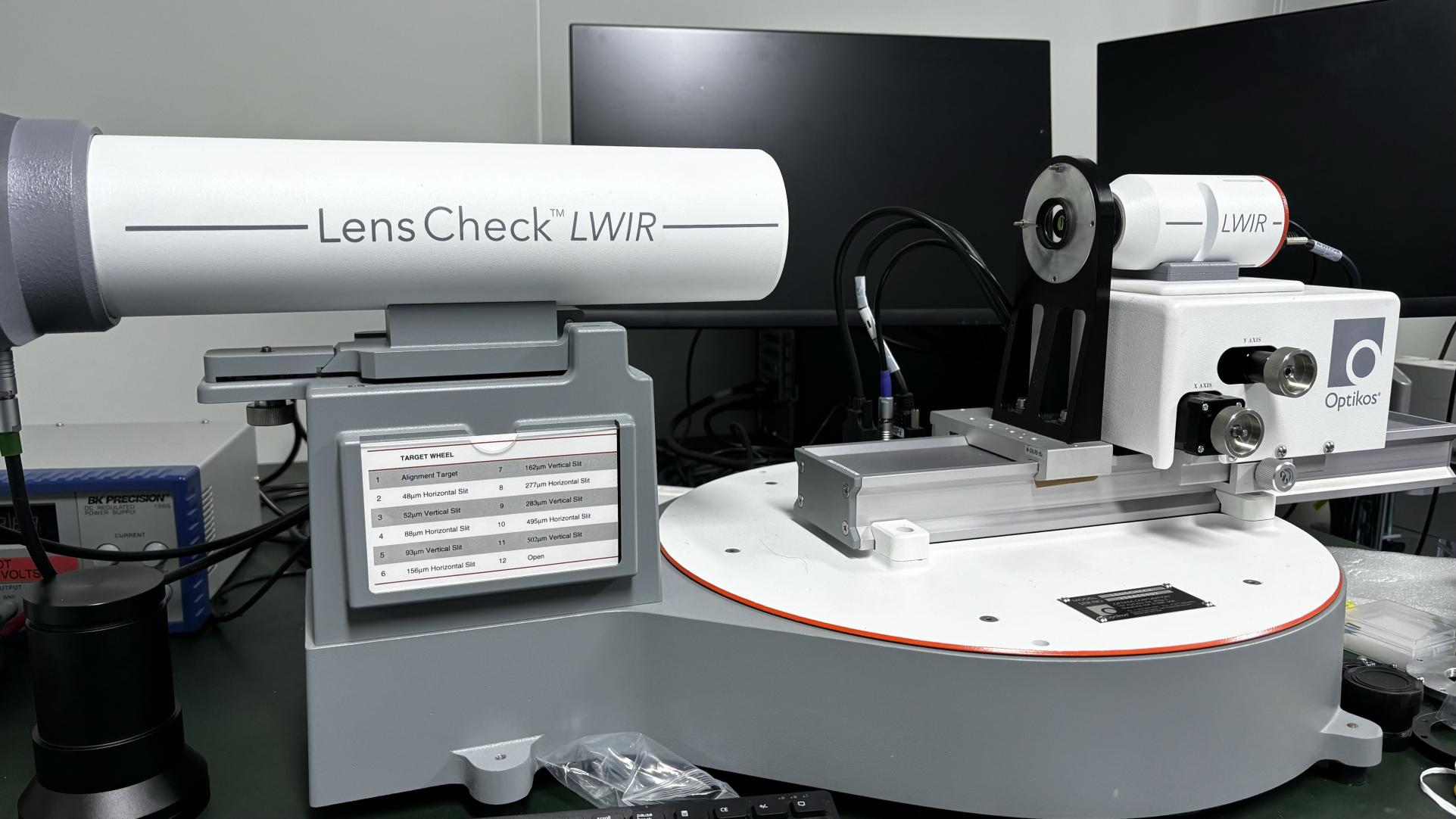
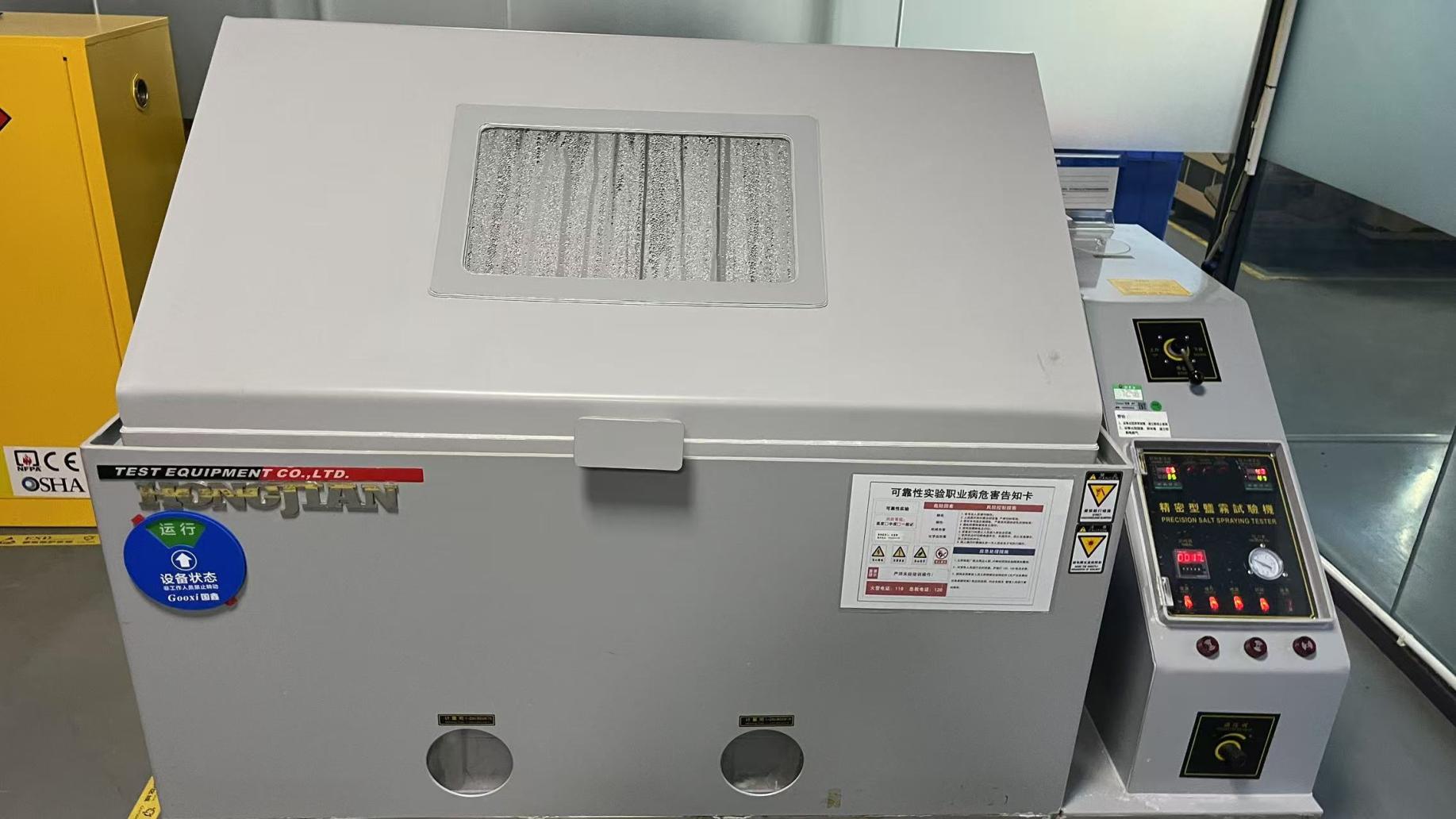
Ensuring system stability through component screening, thermal testing, and international compliance certification.
Every component, including DRAM modules, processor dies, capacitors, and VRMs, is verified against tolerance thresholds before entering assembly lines. This step minimizes potential early component failure rates.
Assembled server units undergo functional stress tests. Extended burn-in procedures under high thermal and computational loads confirm hardware performance stability and connection integrity.
The final inspection phase covers assembly precision, interface checks, and BIOS settings calibration, ensuring each rack unit matches the client's custom operational specifications.
Our hardware engineering focus shifts along with changing server requirements. We continue to modify our chassis configurations, motherboard layouts, and power supply efficiencies to support high-density processing setups.
Deploying custom liquid loops to handle high-heat server setups, keeping CPU core temperatures under control during continuous processing tasks.
Upgrading bus architectures to PCIe 6.0 and integrating 400G network interfaces to support high-throughput data demands.
Refining internal power distribution to reduce energy loss, helping data centers meet PUE targets.
Modular structural designs engineered for quick deployment and simplified component maintenance.
Addressing essential questions concerning hardware specifications, OEM/ODM processes, and deployment options.
Devixa provides custom chassis designs, personalized BIOS setups, logo placement, and components tailored to specific workloads. Clients can define processor options, RAM levels, storage types (NVMe/SAS/SATA), and GPU options based on performance and budget needs.
Our QA process spans IQC component verification, IPQC manufacturing checks, and active system testing. Each server completes functional checks and stress tests under load to confirm hardware reliability and connection integrity before export.
Lead times depend on design complexity and component availability. Standard custom models are generally completed in 2 to 4 weeks. High-density GPU configurations or custom chassis builds may require 4 to 6 weeks, which is coordinated during design alignment.
Our systems use optimized air channels and fan arrays to move heat away from components. Advanced liquid-to-air cooling loops are available for high-density setups, keeping processor and GPU temperatures within safe operational ranges under heavy compute loads.
Yes, Devixa platforms support standard enterprise operating systems, including Red Hat Enterprise Linux, Rocky Linux, Ubuntu Server, and CentOS, as well as virtualization platforms like VMware ESXi and Proxmox.
Devixa exports systems globally. Our server designs comply with essential international certifications, including CE, FCC, RoHS, and UL guidelines, ensuring smooth deployment in Western Europe, North America, and APAC regions.
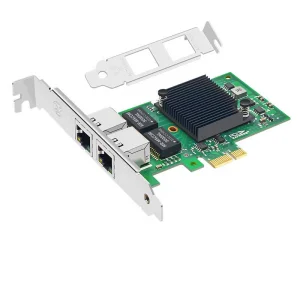
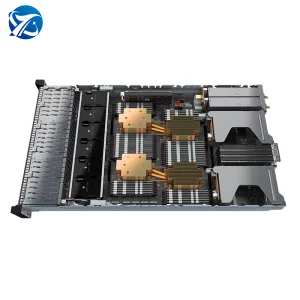
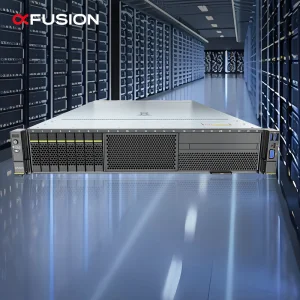
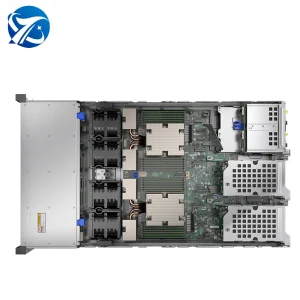
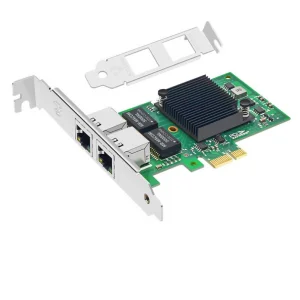
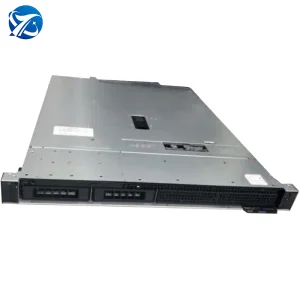
Complementary infrastructure components, cloud-computing rack nodes, and SSD hardware systems for host deployment.
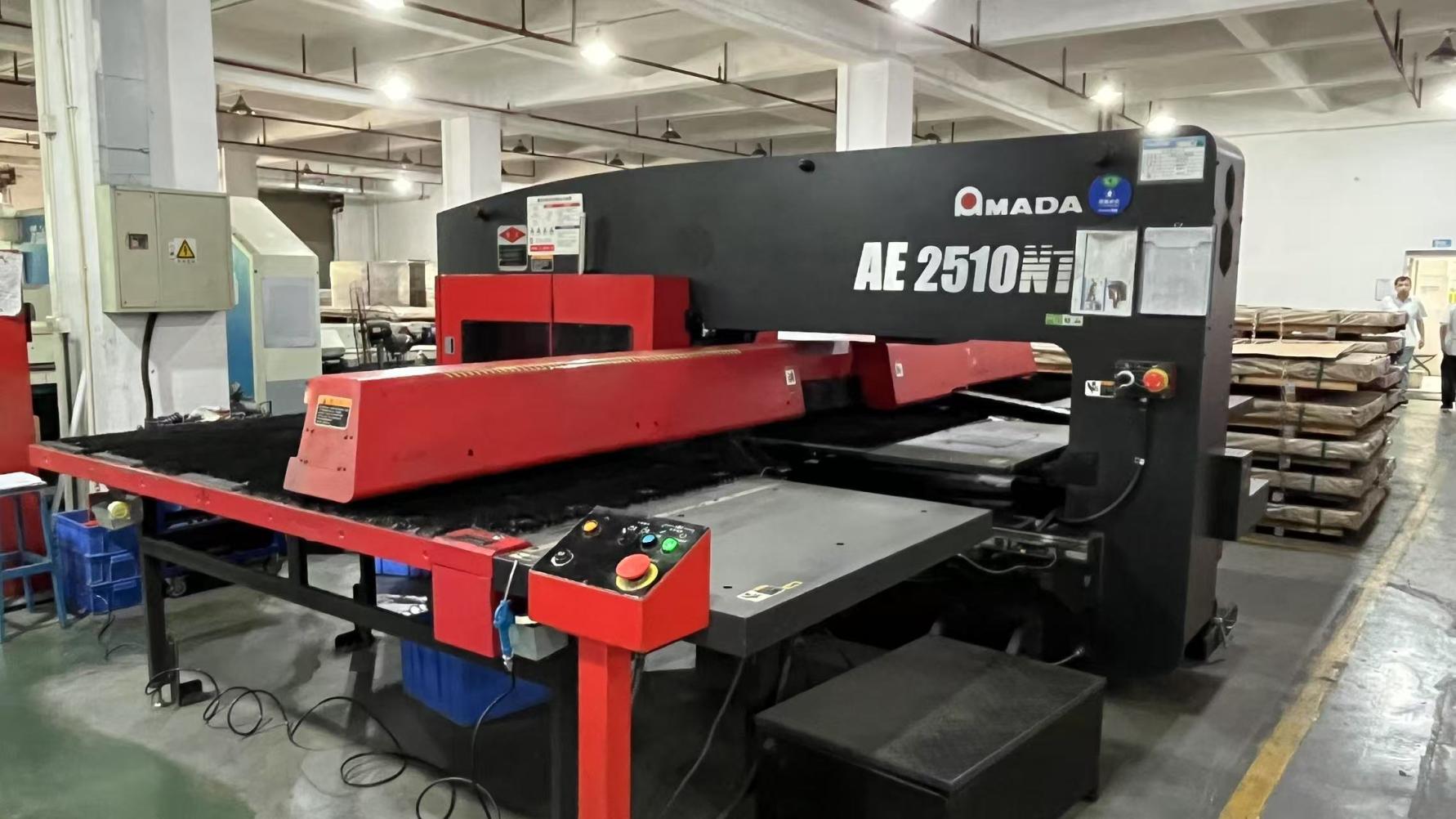
A visual look inside our manufacturing floor, testing areas, and component warehouse.