Devixa
Devixa
Devixa
High-performance rack mounts, AI optimized computing platforms, and scale-out network architectures engineered to minimize latency and maximize information throughput.
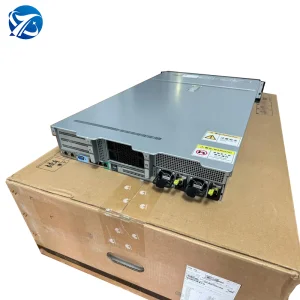
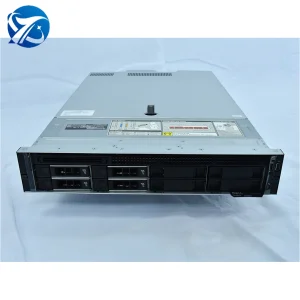
 New xFusion 2288H V7 Storage Internet Server 25*2.5 Inch Drive Xeon 4410Y 32GB 900W PSU 2288H V7 2U 2-socket Rack Server
View Specifications
New xFusion 2288H V7 Storage Internet Server 25*2.5 Inch Drive Xeon 4410Y 32GB 900W PSU 2288H V7 2U 2-socket Rack Server
View Specifications
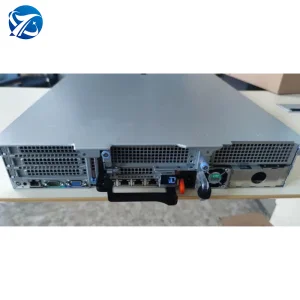
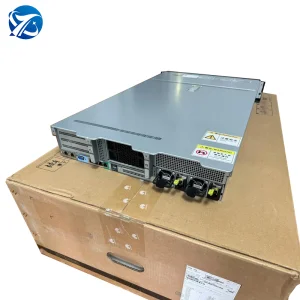
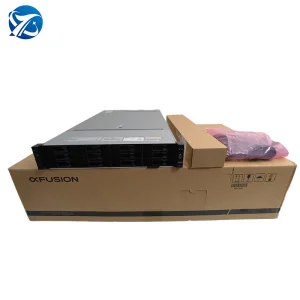 xFusion 2258 V7 Data Ai Computer Servers Deepseek 2025 Storage Network Buy Nas Gpu Rack Server
View Specifications
xFusion 2258 V7 Data Ai Computer Servers Deepseek 2025 Storage Network Buy Nas Gpu Rack Server
View Specifications
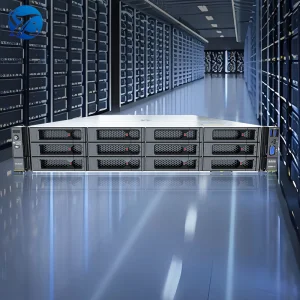
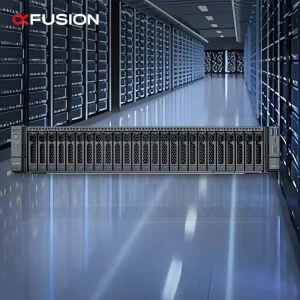 FusionServer 2488H V7 Servers Computer Nas Storage Pc Gpu And Buy Workstations Web Devices Ssd Networks Rack Xeon Server
View Specifications
FusionServer 2488H V7 Servers Computer Nas Storage Pc Gpu And Buy Workstations Web Devices Ssd Networks Rack Xeon Server
View Specifications
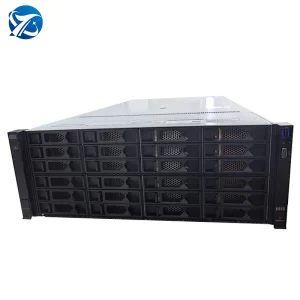 New xFusion High Performance Nas System Computer Servers for Sale Deeepseek 256Gb Network Gpu Ram Strong 4K Prices Pro V5 Server
View Specifications
New xFusion High Performance Nas System Computer Servers for Sale Deeepseek 256Gb Network Gpu Ram Strong 4K Prices Pro V5 Server
View Specifications
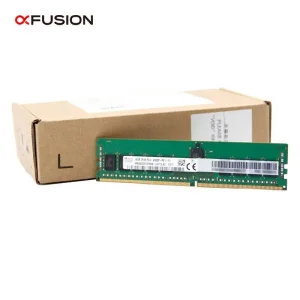 XFusion Fusionserver DDR4 RDIMM 16GB/32G/64GB -288pin-0.625ns-3200000KHz-1.2V-ECC-2 Rank Server Ram Memory
View Specifications
XFusion Fusionserver DDR4 RDIMM 16GB/32G/64GB -288pin-0.625ns-3200000KHz-1.2V-ECC-2 Rank Server Ram Memory
View Specifications
In the contemporary digital economy, data is no longer merely an operational byproduct; it is the core asset of the modern enterprise. As applications shift from relational databases to large language models (LLMs) like DeepSeek, data ingestion speeds, storage latency, and persistent storage architectures have undergone paradigm shifts. High-throughput distributed storage architectures, enterprise-grade Network Attached Storage (NAS), and robust GPU storage systems have become critical in bridging the gap between heavy computational units (such as Nvidia H100s or AMD Instinct cards) and physical drive platters.
Enterprise infrastructure architects must systematically weigh factors including PCIe interface generations, error-correcting memory (ECC RDIMMs), NVMe over Fabrics (NoF), and scalable thermal design. The rise of machine learning models requiring high parameter counts has forced manufacturers to engineer hybrid servers capable of handling dense drive matrices (such as 25*2.5 inch configurations) alongside high-capacity power supplies (e.g., 900W to 2000W redundant PSUs) to prevent compute throttling.
Maximizing spatial capacity inside server racks utilizing high-density LFF (3.5") and SFF (2.5") drive arrays, allowing petabytes of localized storage in standard 2U envelopes.
Designed for low latency AI training pipelines, optimizing memory channels using DDR4/DDR5 high-frequency ECC RDIMM to avoid GPU starvation.
Integrating advanced RAID configurations, SAS/NVMe hot-swappability, and redundant hot-plug power delivery matrices to ensure 99.999% uptime.
Devixa Technologies Inc. (Brand: Devixa, Web: https://www.devixagpu.com) is a professional manufacturer specializing in AI GPU servers, high-performance computing (HPC) systems, GPU workstations, and customized AI infrastructure solutions. Since its establishment on April 18, 2016, Devixa has focused on delivering reliable, scalable, and energy-efficient computing platforms for artificial intelligence training, inference, cloud computing, big data analytics, scientific research, and enterprise data centers.
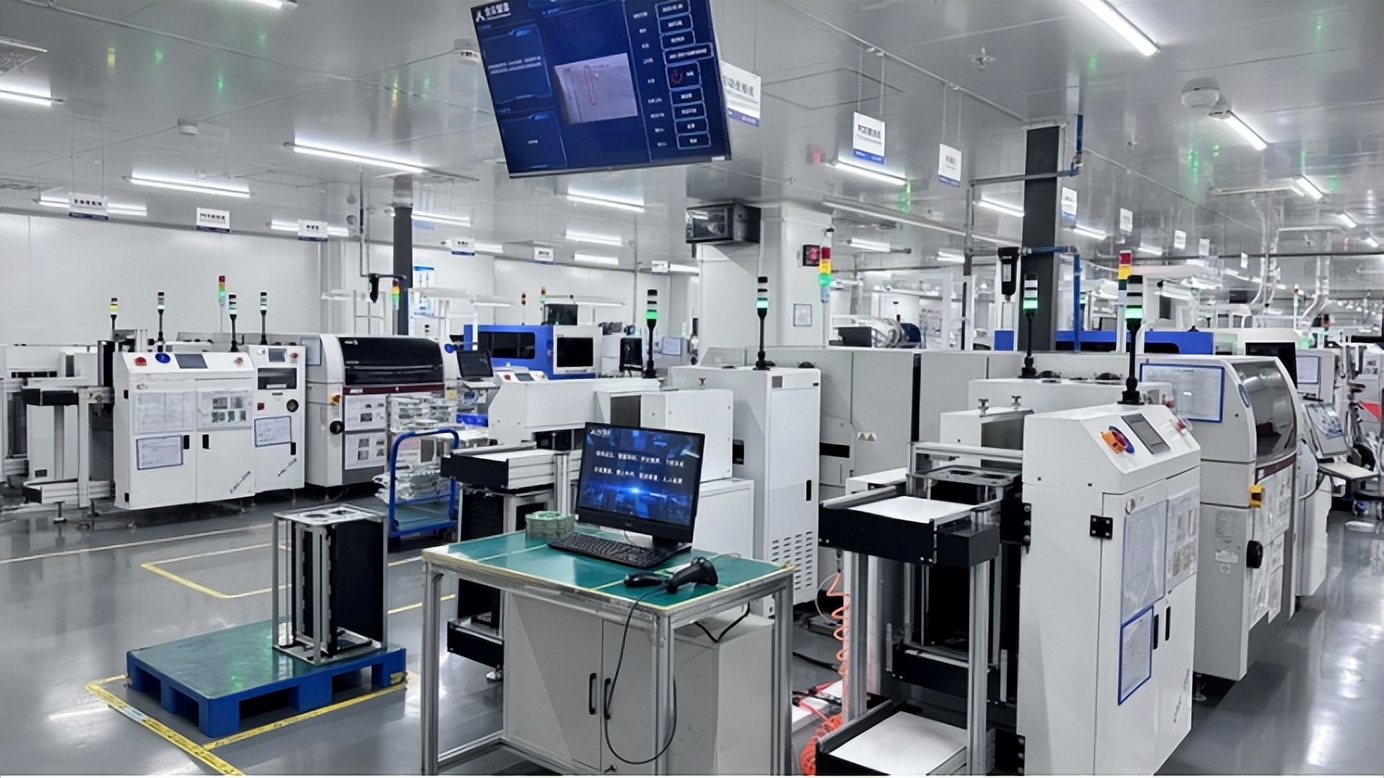
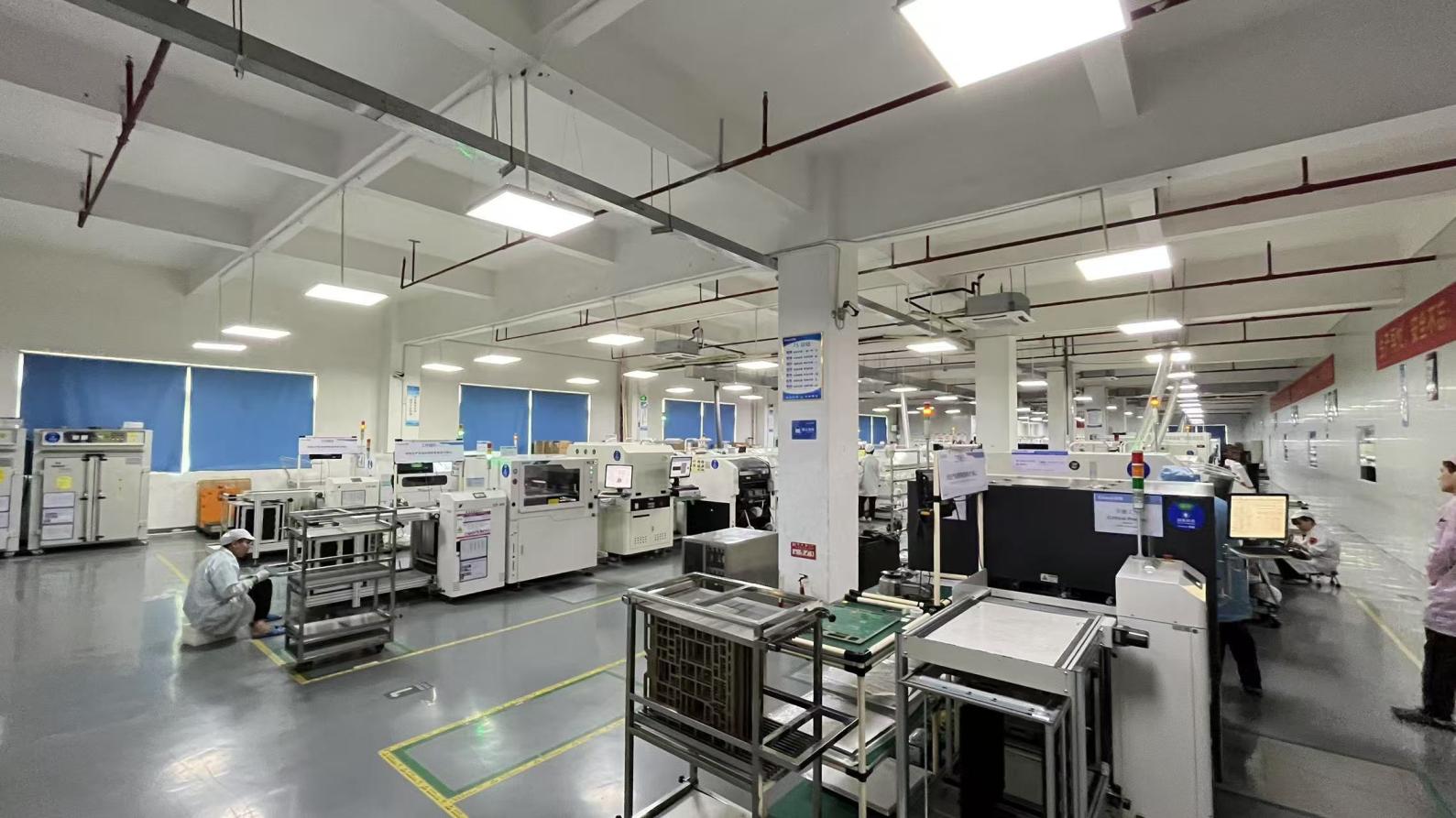
With a modern manufacturing facility covering 18,600 m², Devixa integrates hardware design, system integration, testing, and quality management under one roof. Our experienced engineering team continuously develops innovative GPU server platforms compatible with NVIDIA® and AMD® accelerator technologies, providing customers with flexible configurations tailored to different AI workloads. Supported by a strong R&D team and a mature global supply chain, Devixa serves OEM, ODM, and private label customers worldwide. We are committed to strict quality control, fast delivery, and long-term technical support, helping partners build competitive AI infrastructure with dependable performance.
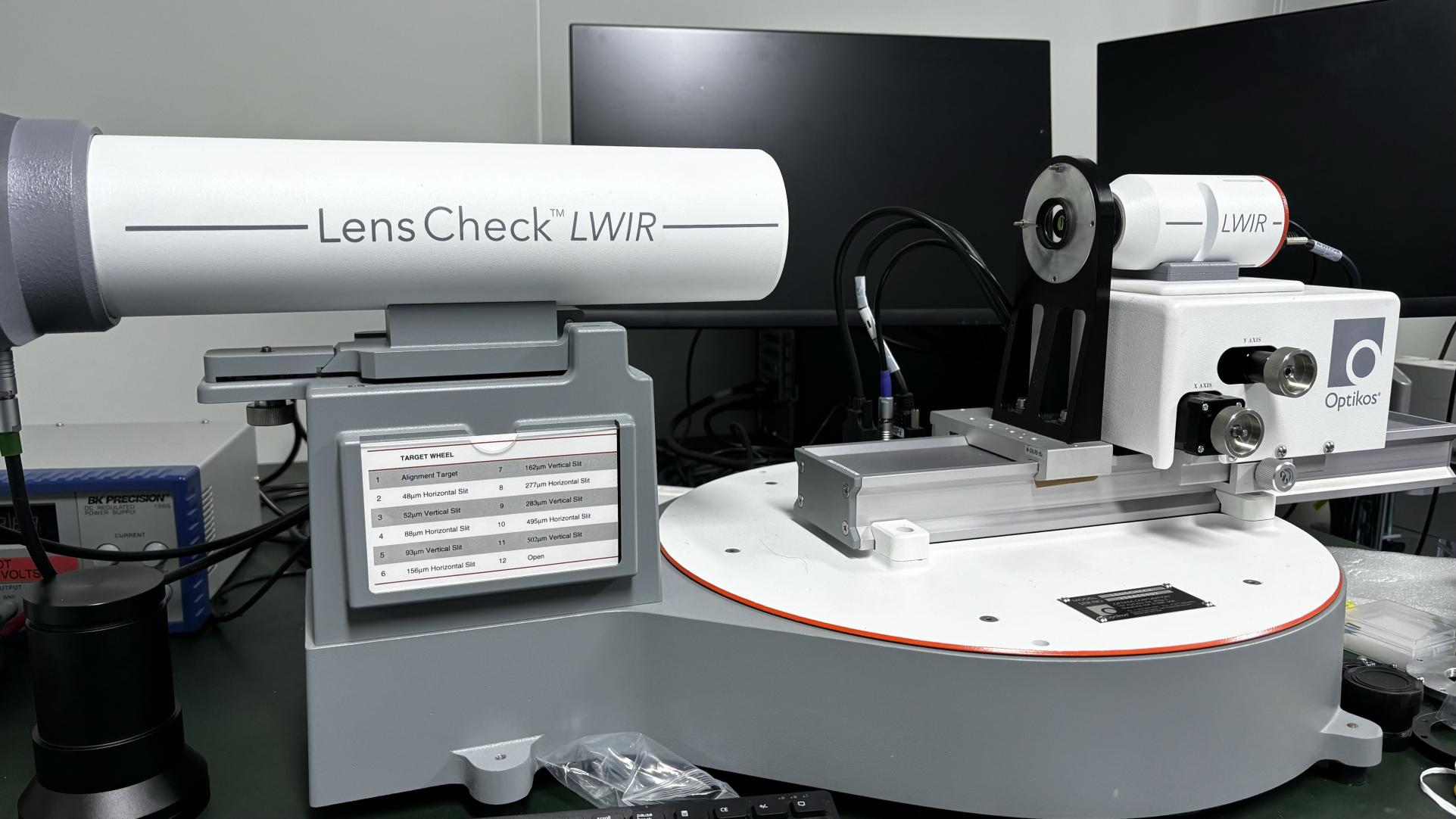
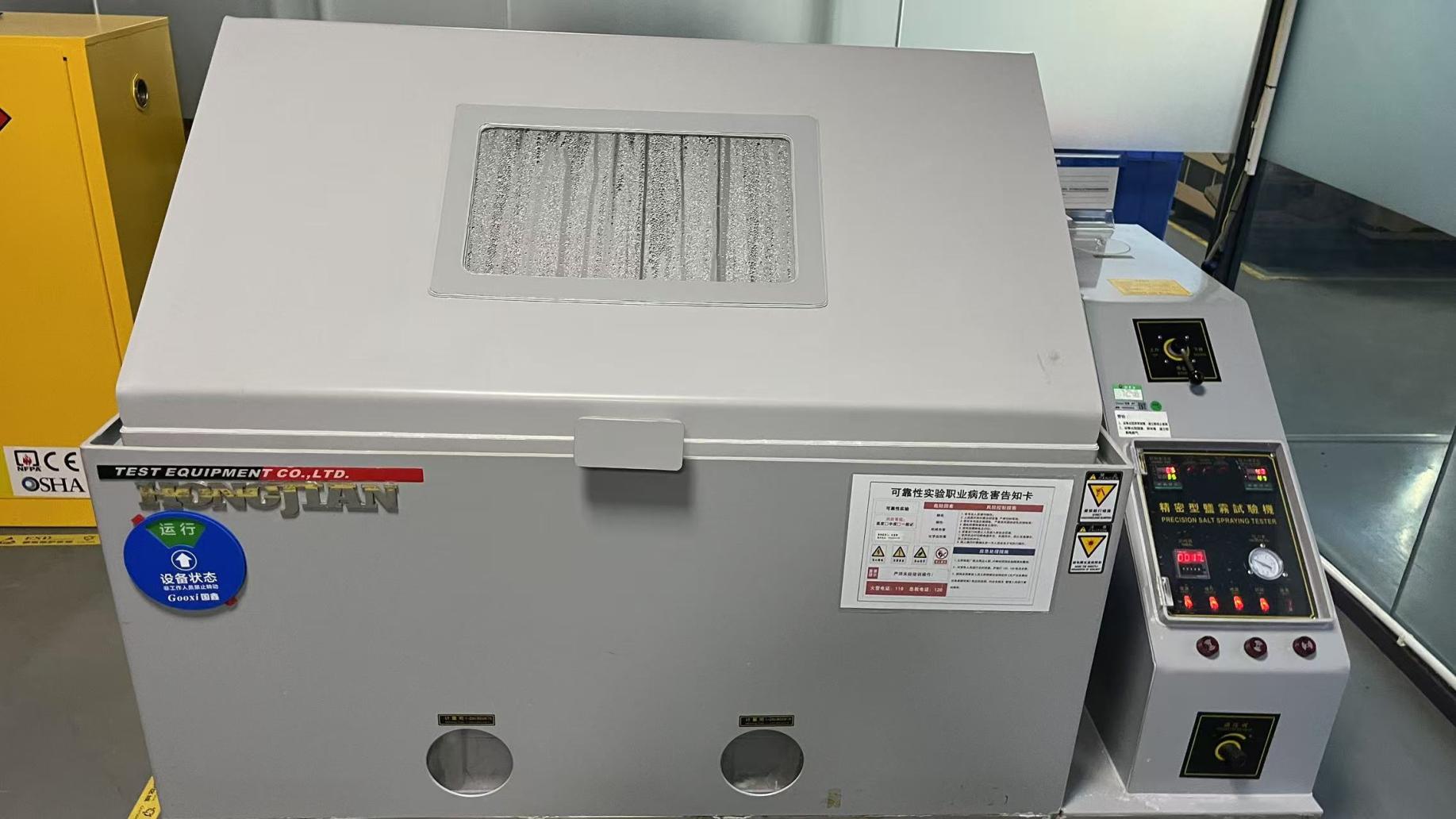
Our operation employs 42 dedicated quality assurance professionals overseeing rigorous hardware validating processes from incoming materials up to thermal stress tests in climate chambers.
| Item | Details |
|---|---|
| Company Registration Date | April 18, 2016 |
| Factory Area | 18,600 m² |
| Annual Export Revenue | USD 28.4 Million |
| Export Experience | 8 Years |
| Industry Experience | 10 Years |
| Quality Assurance | 100% Quality Inspection Before Shipment |
| Product Inspection Method | Incoming Material Inspection (IQC), In-Process Inspection (IPQC), Functional Testing, Burn-in Test, Final Quality Control (FQC), Outgoing Quality Inspection (OQC) |
| Quality Control Staff | 42 |
| Business Type | Manufacturer & Exporter (OEM/ODM Service) |
| Main Markets | North America, Western Europe, Southeast Asia, Middle East, Australia |
| Supply Chain Partners | 1,150 |
| Main Customer Types | System Integrators, AI Solution Providers, Cloud Service Providers, Research Institutes, Universities, Enterprise Data Centers |
| R&D Capability | Independent Hardware Design, Firmware Development, Thermal Optimization, Custom AI Server Solutions |
| Customization Options | OEM, ODM, Logo Printing, BIOS Customization, Chassis Design, GPU/CPU/Memory/Storage Configuration |
| New Products Released Last Year | 68 |
| R&D Engineers | 126 |
The production of advanced computing hardware requires close proximity to global silicon ecosystems. The Pearl River Delta (Shenzhen-Dongguan cluster) functions as the world's most integrated hardware technology matrix. For purchasers looking to deploy complex storage and networking layouts, buying from manufacturers within this cluster offers distinct advantages:
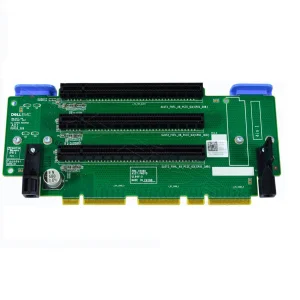
By sourcing directly from advanced facilities, enterprise customers sidestep multi-tiered trading distributors, gaining transparency over the exact bill of materials (BOM), from the silicon layer of Xeon processors down to the copper density of the server riser cards.
Modern compute clusters require different storage profiles based on localized workflows. Here is how specialized server platforms are allocated across industrial sectors:
Deep learning pipelines demand massive dataset ingestion rates. Systems configured with multi-socket Xeon Scalable processors, DDR5 ECC memory, and NVMe SSD arrays ensure training tokens are piped into GPU memory without I/O bottlenecks.
For low-latency banking and transaction services, ultra-fast 2U servers loaded with 25*2.5 inch drives provide the high random read/write IOPS necessary to maintain transactional database consistency.
Integrating switches such as H3C 24-Port 10G optical systems with network-attached storage units allows large manufacturing facilities to process telemetry data in real-time, executing localized decision-making without cloud latency.
Procurement officers at hyperscalers, research universities, and enterprise datacenters face strict vendor vetting processes. Reliability and engineering capabilities form the bedrock of vendor selection:
Global enterprises often require custom UEFI/BIOS features to align with specific hardware security policies, including PXE boot security, CPU power state optimization, and custom hardware root-of-trust signatures.
Rigorous factory protocols (IQC, IPQC, FQC, OQC) and prolonged burn-in tests under high ambient temperatures guarantee that components do not suffer from early life failure (infant mortality) post-delivery.
Having 1,150+ supply chain partners guarantees that custom orders, bulk memory upgrades (such as high-speed 288-pin DDR4 RDIMM modules), and specialty components are readily deliverable under standardized shipping incoterms.
Resolving high-intent queries regarding enterprise storage configurations, GPU acceleration, and supply compatibility.
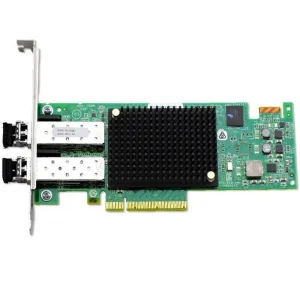
Scale your datacenter operations with enterprise-grade network switches, high-performance CPUs, ECC memory modules, and specialized Host Bus Adapters (HBAs).
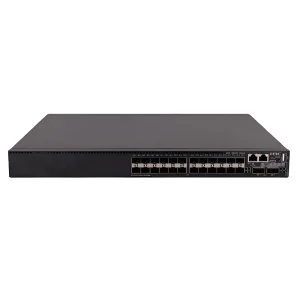 H3C S6520X-30QC-EI 24 Port Network Switch with 10G+2 40GE Optical All-Optical Three-Layer Core 10G Switch Expansion Support
View Specifications
H3C S6520X-30QC-EI 24 Port Network Switch with 10G+2 40GE Optical All-Optical Three-Layer Core 10G Switch Expansion Support
View Specifications
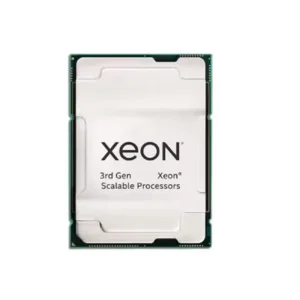 Processor CPU Xeon 4309Y/4310/4314/4316/5315Y/5317/5318Y/5320/6330 Suitable for Computer Server 2288H V6 5288 V6
View Specifications
Processor CPU Xeon 4309Y/4310/4314/4316/5315Y/5317/5318Y/5320/6330 Suitable for Computer Server 2288H V6 5288 V6
View Specifications
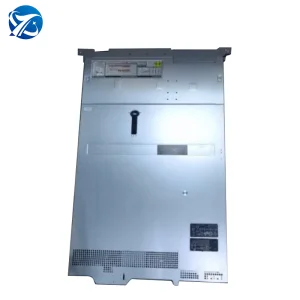 Wholesale Shenzhen PowerEdge R350 1U Rack Mount 1U Dell Workstation Servers Rack Nas Precision Xeon Server
View Specifications
Wholesale Shenzhen PowerEdge R350 1U Rack Mount 1U Dell Workstation Servers Rack Nas Precision Xeon Server
View Specifications
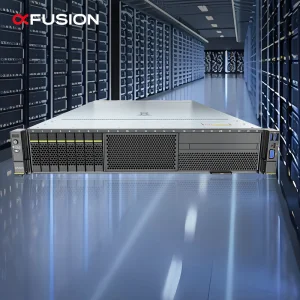 New xFusion Fusionserver 2288H V6 Computer Servers 8*2.5 Inch Drive 2288H V6 2U 2-socket Rack Server
View Specifications
New xFusion Fusionserver 2288H V6 Computer Servers 8*2.5 Inch Drive 2288H V6 2U 2-socket Rack Server
View Specifications
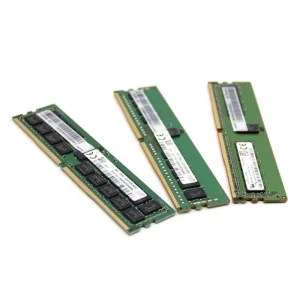 XFusion Fusion Server DDR4 RDIMM 16GB 32G 64GB -288pin-0.625ns-3200000KHz-1.2V-ECC-2 Rank Server Ram Memory
View Specifications
XFusion Fusion Server DDR4 RDIMM 16GB 32G 64GB -288pin-0.625ns-3200000KHz-1.2V-ECC-2 Rank Server Ram Memory
View Specifications
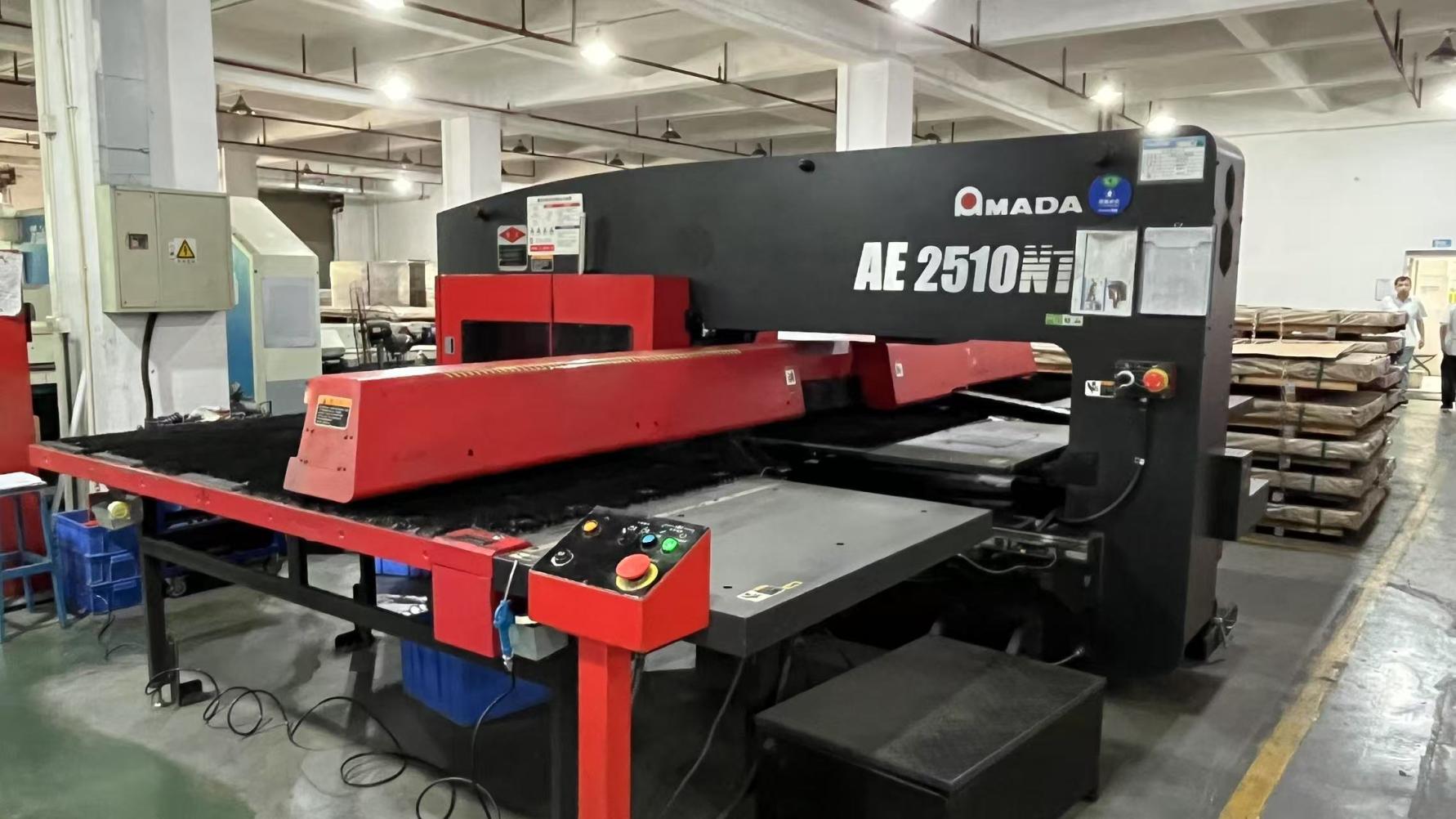
Our 18,600 m² factory environment maintains state-of-the-art testing stations. Our hardware design processes undergo extensive stress evaluations to comply with enterprise expectations globally.