Devixa
Devixa
Devixa
The global fiber optic market is currently witnessing a paradigm shift driven by 5G expansion and the AI boom. China has emerged as the world's largest manufacturing hub for optical fiber, cables, and active/passive equipment. As of 2024, Chinese exporters account for over 50% of the global optical transceiver supply chain, transitioning from low-cost manufacturing to high-end R&D in 800G and 1.6T optical modules.
The key trend is Co-Packaged Optics (CPO) and Silicon Photonics. To meet the massive bandwidth demands of LLM (Large Language Model) training, fiber optic equipment is becoming more integrated. We are seeing a shift from traditional OM4 multimode fibers to high-capacity Single Mode (SM) solutions and the adoption of Hollow Core Fiber (HCF) for ultra-low latency applications.
In smart cities, fiber optic sensors are used for structural health monitoring. In Industrial 4.0, fiber-to-the-machine (FTTM) provides EMI-immune communication for high-voltage environments. Meanwhile, the enterprise sector is rapidly adopting FTTR (Fiber to the Room) to eliminate Wi-Fi dead zones in large office complexes.
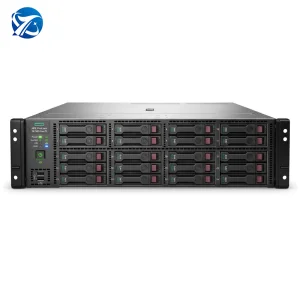
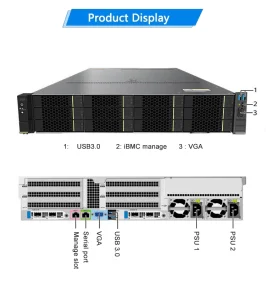
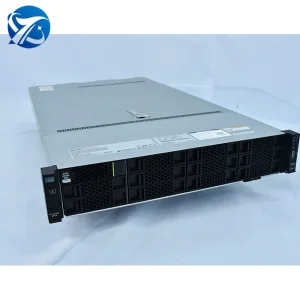
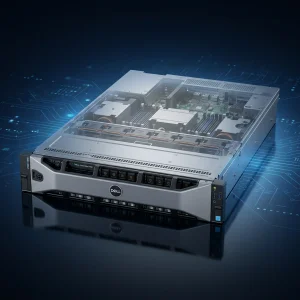
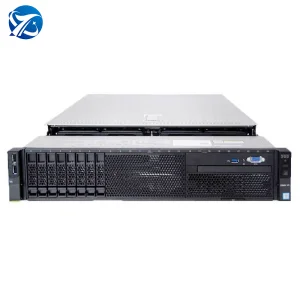
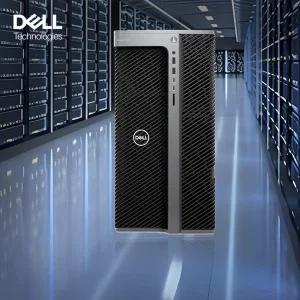
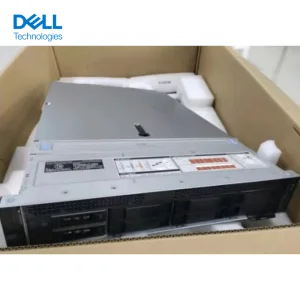
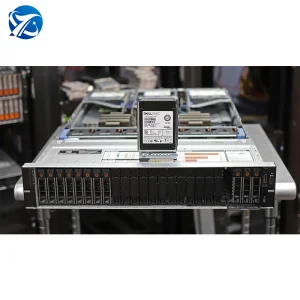
Devixa Technologies Inc. is a professional manufacturer specializing in AI GPU servers, high-performance computing (HPC) systems, and customized AI infrastructure. Since 2016, Devixa has focused on delivering reliable, scalable, and energy-efficient computing platforms for AI training, scientific research, and enterprise data centers.
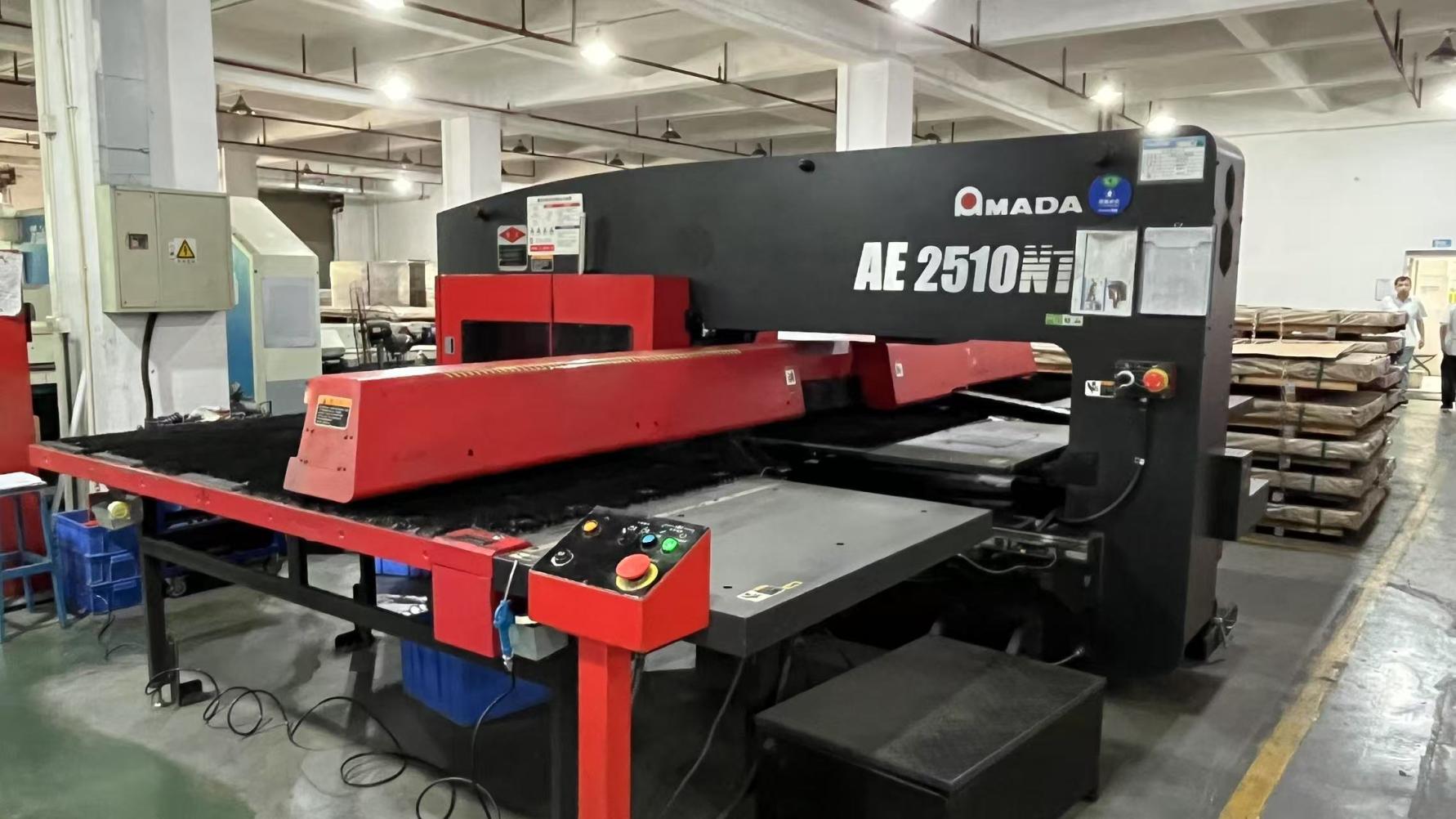
With a modern manufacturing facility covering 18,600 m², we integrate hardware design, system integration, and rigorous testing under one roof. Our engineering team continuously develops innovative platforms compatible with NVIDIA® and AMD® accelerator technologies, bridging the gap between high-speed fiber connectivity and processing power.
| Registration Date | April 18, 2016 |
| Factory Area | 18,600 m² |
| Annual Export | USD 28.4 Million |
| R&D Staff | 126 Engineers |
| Supply Chain | 1,150+ Partners |
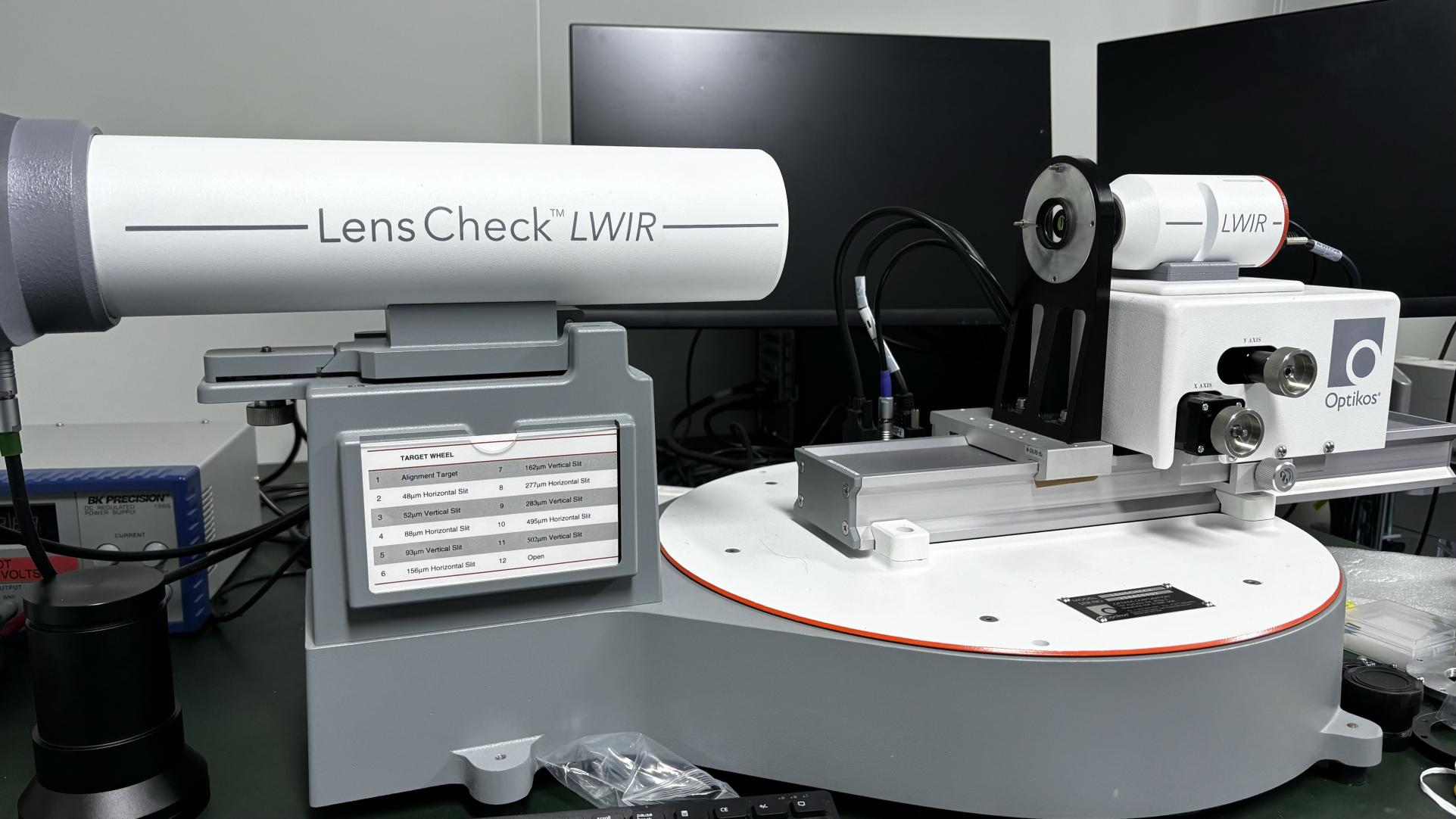
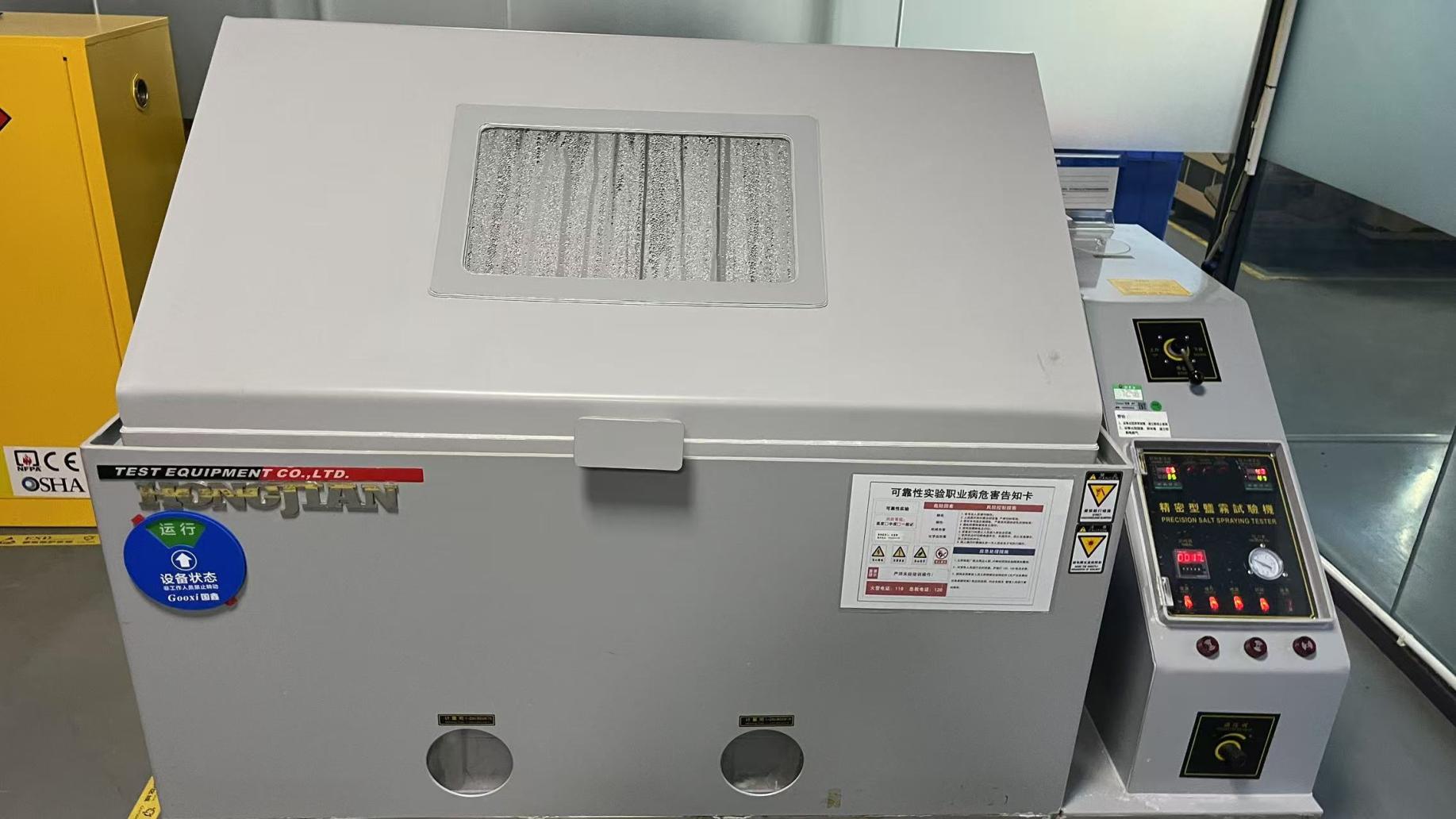
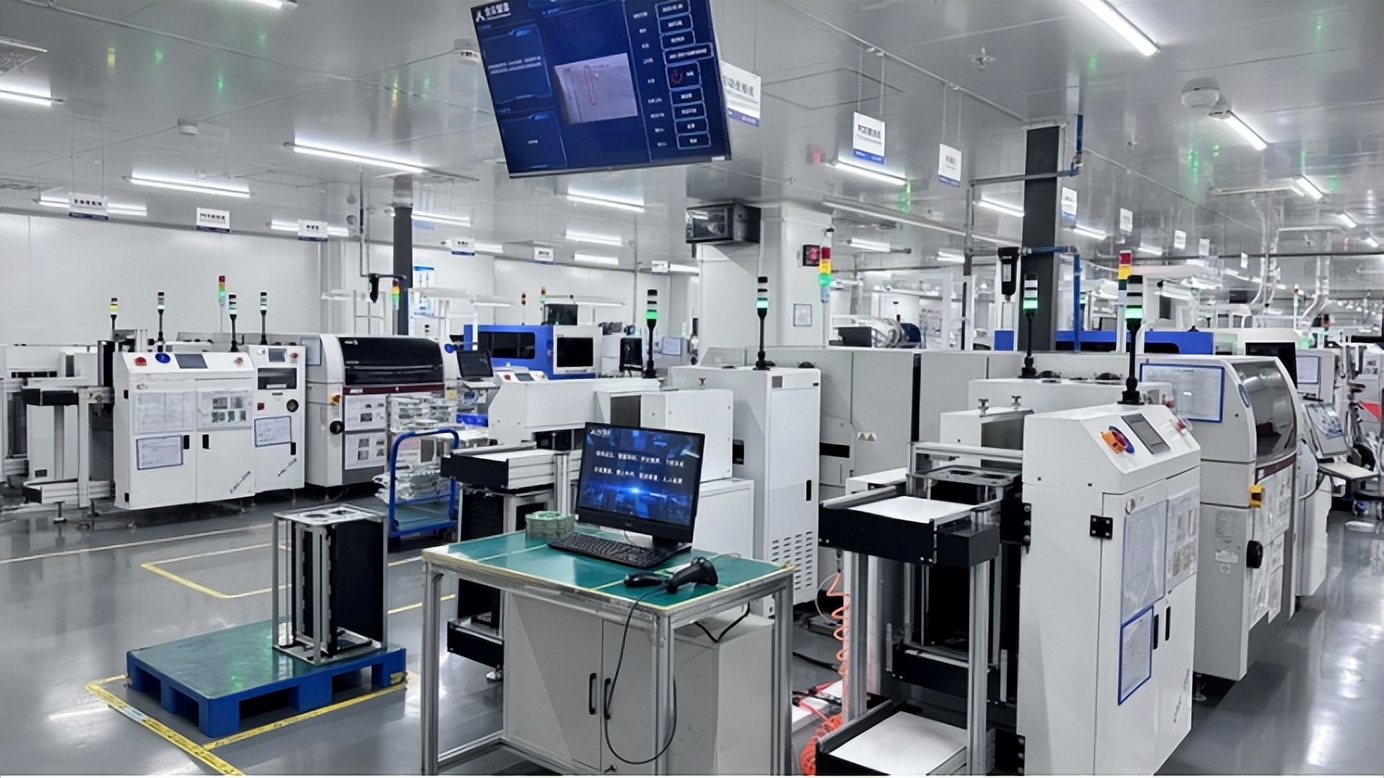
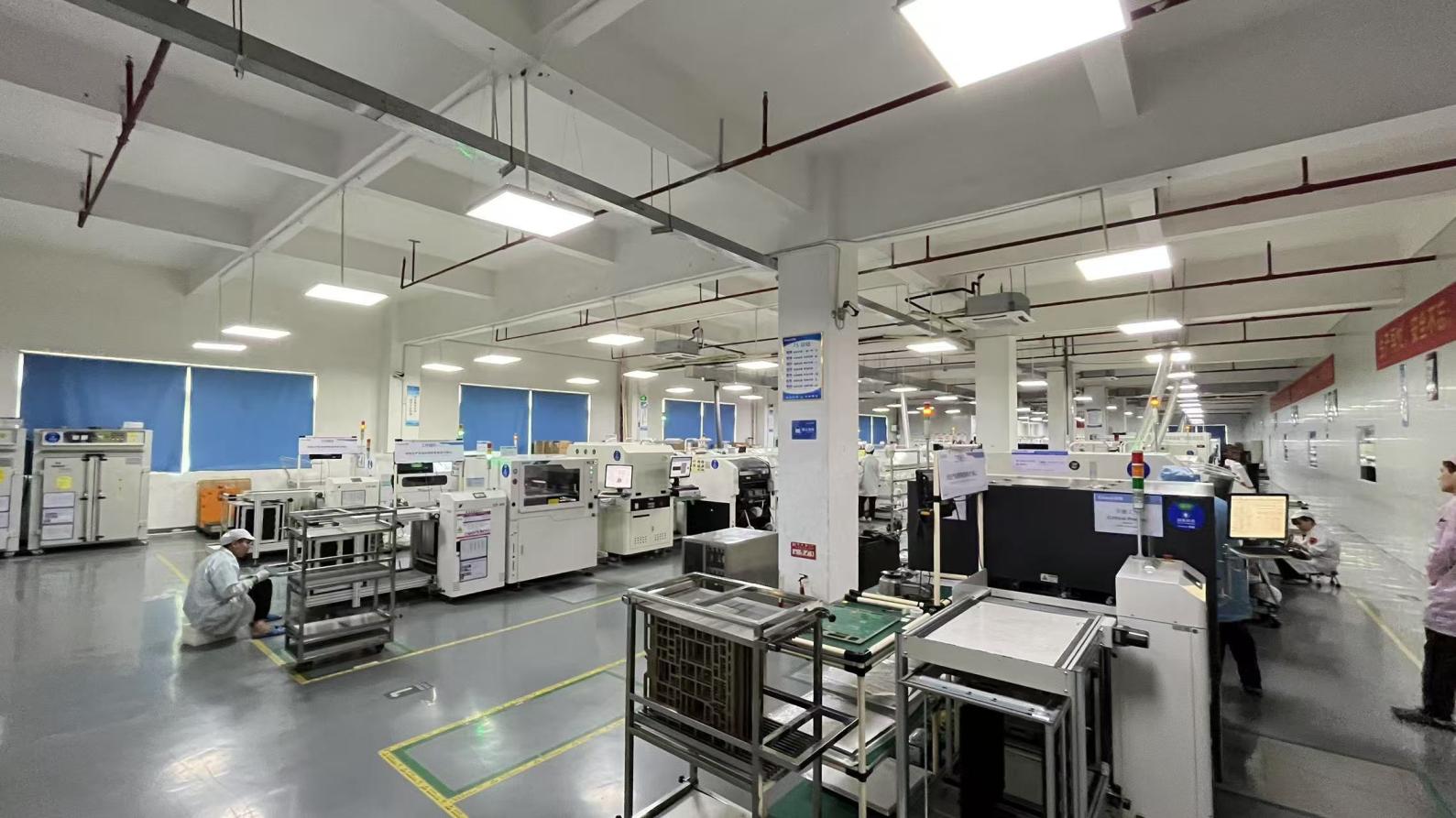
Years Industry Experience
Quality Inspection (OQC)
New Products Annually
Dedicated QC Specialists
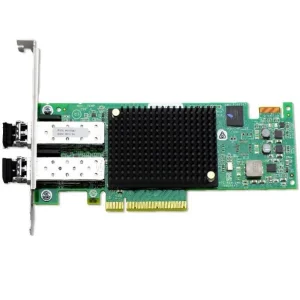
Modern data centers are no longer just clusters of servers; they are unified Optical Compute Fabrics. Our solutions integrate high-speed Fibre Channel HBA cards (like the Emulex LPe35002) with ultra-low latency optical transceivers to minimize Jitter and Packet Loss. For national backbone projects, we provide Dense Wavelength Division Multiplexing (DWDM) equipment that multiplies the capacity of existing fiber strands by up to 80 times.
Information gain refers to the unique, expert-level data provided by manufacturers that helps buyers make better decisions—such as specific BER (Bit Error Rate) performance in high-heat environments rather than just generic data sheets.
Experience (10+ years), Expertise (126 R&D engineers), Authoritativeness (massive factory scale), and Trustworthiness (100% inspection) are the pillars that ensure long-term stability in your supply chain.
AI servers represent the "demand" side of fiber optics. High-performance GPUs require the high-bandwidth, low-latency pipes that only advanced fiber optic equipment can provide. They are two halves of the same digital infrastructure.
It allows for customized chassis designs, specific firmware tuning for proprietary network protocols, and cost-effective scaling for large-scale ISP deployments.