Devixa
Devixa
Devixa
High-reliability server and storage nodes designed for 24/7 video processing.
Architecting the future of security through AI-integrated hardware and edge computing.
The global video surveillance market has transitioned from simple "image capture" to "actionable intelligence." As of 2024, the demand for High-Performance Computing (HPC) in surveillance has skyrocketed. Organizations are no longer satisfied with grainy CCTV; they require real-time facial recognition, license plate recognition (LPR), and behavioral analysis.
This shift has placed immense pressure on backend infrastructure. The "Top 10 Video Surveillance Solutions Factory" list now focuses heavily on companies providing the compute power (GPU Servers) and massive storage arrays (NAS/SAN) required to process petabytes of visual data.
Where the industry is heading: From Edge AI to Cloud Convergence.
Processing video data at the source using compact 1U/2U GPU servers to reduce latency and bandwidth costs. This is critical for smart city applications where millisecond responses save lives.
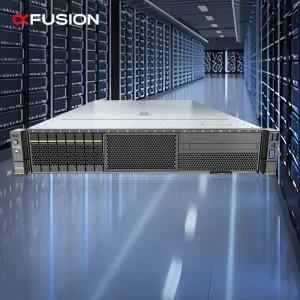
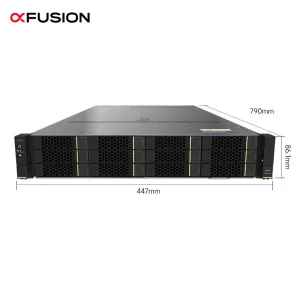
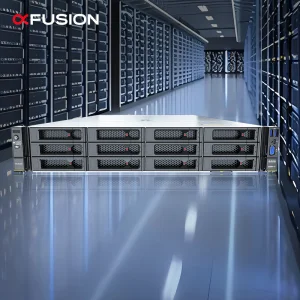
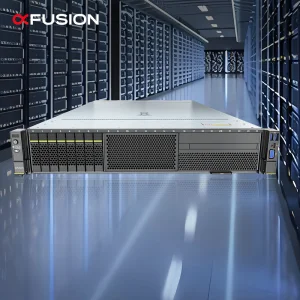
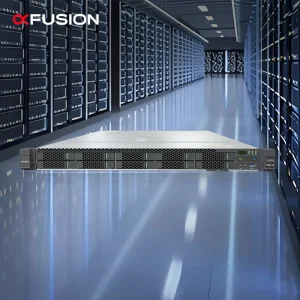
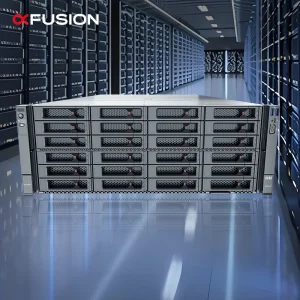
Video Management Systems (VMS) are moving to the cloud, requiring robust hyperconverged infrastructure (HCI) like the xFusion 2288H series to maintain high availability.
Advanced AI models are now integrated directly into surveillance storage servers, allowing for "semantic search" within video archives—searching for "red truck" across 1,000 cameras in seconds.
Tailored solutions for diverse vertical markets.
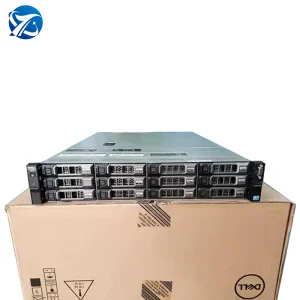
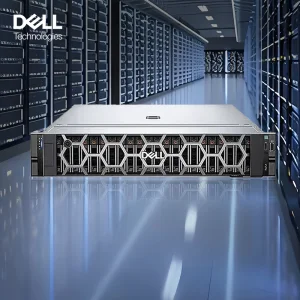
Optimizing floor layouts and preventing loss through heatmaps and queue management, powered by Dell PowerEdge and GPU-accelerated workstations.
Protecting power plants and oil rigs with thermal imaging and perimeter intrusion detection systems (PIDS) that run on ruggedized rack servers.
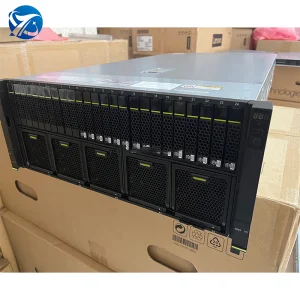
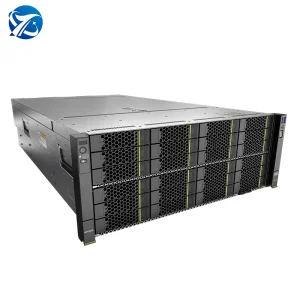
Coordinated response systems utilizing thousands of camera feeds aggregated into central data centers powered by FusionServer 5288 V7 high-density storage.
A Global Leader in AI GPU Infrastructure & Surveillance Computing.
Devixa Technologies Inc. is a professional manufacturer specializing in AI GPU servers, high-performance computing (HPC) systems, and customized AI infrastructure solutions. Since its establishment, Devixa has focused on delivering reliable, scalable, and energy-efficient computing platforms for artificial intelligence training, inference, and enterprise surveillance data centers.
| Capability Item | Enterprise Specification |
|---|---|
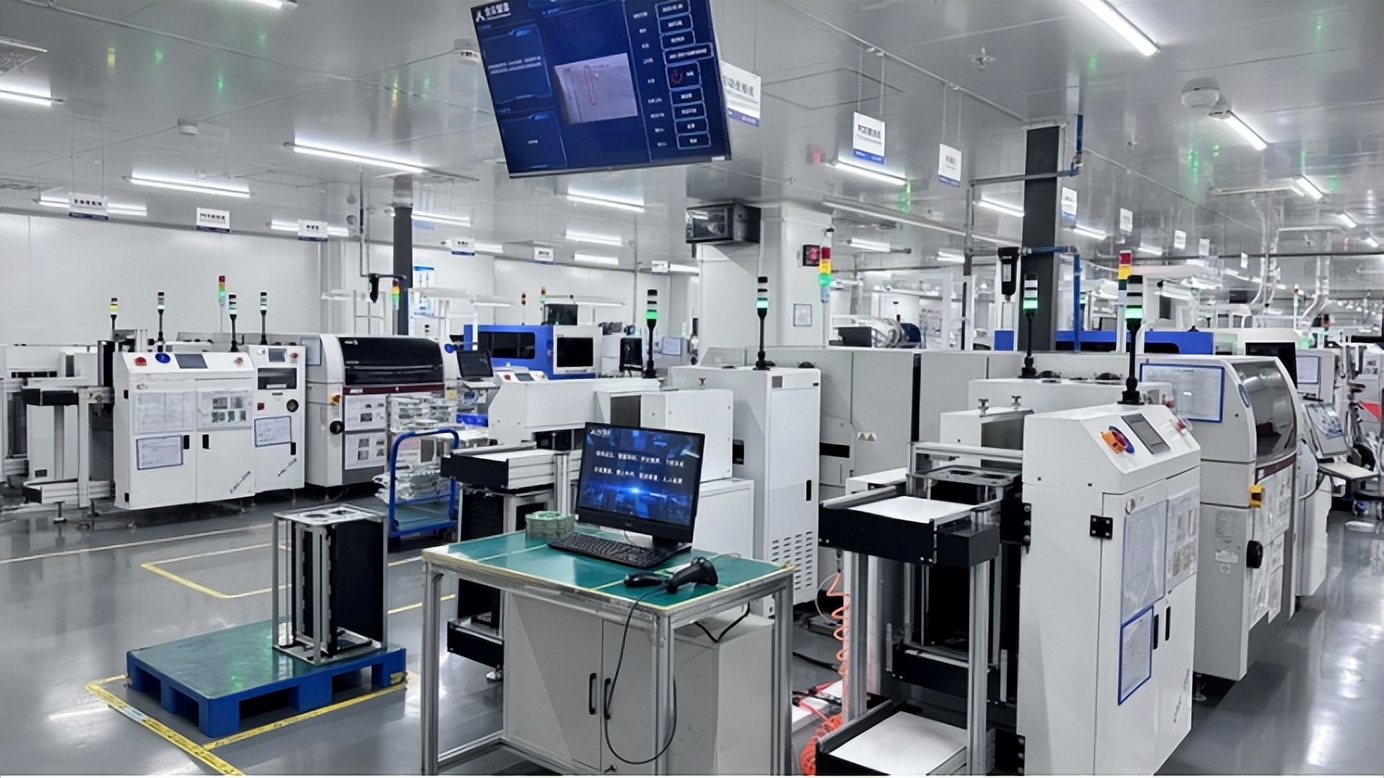
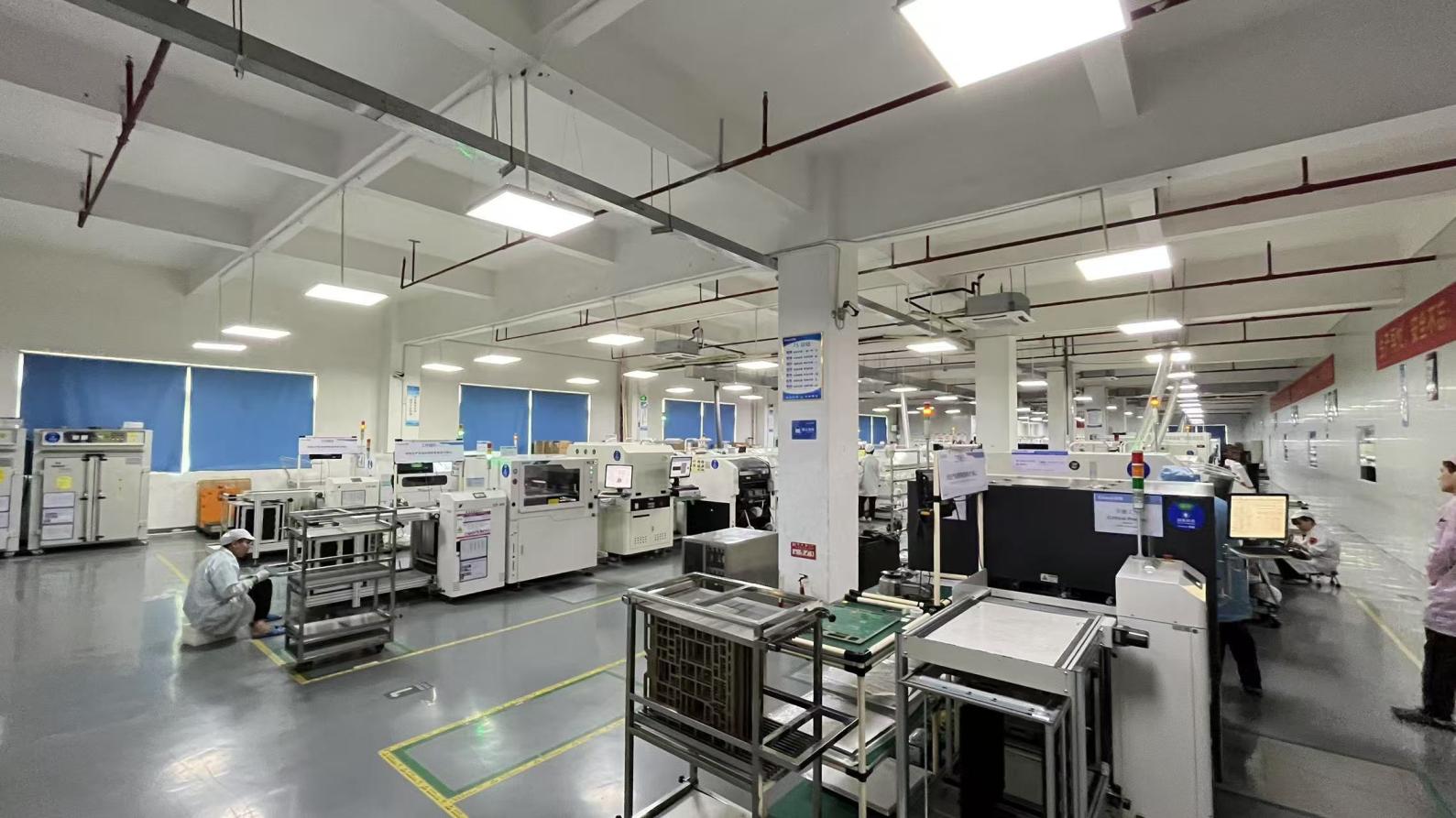
| Factory Area | 18,600 m² Modern Manufacturing Base |
| R&D Strength | 126 Dedicated Engineers for Thermal & Firmware Optimization |
| Annual Export | USD 28.4 Million (North America, Europe, Middle East) |
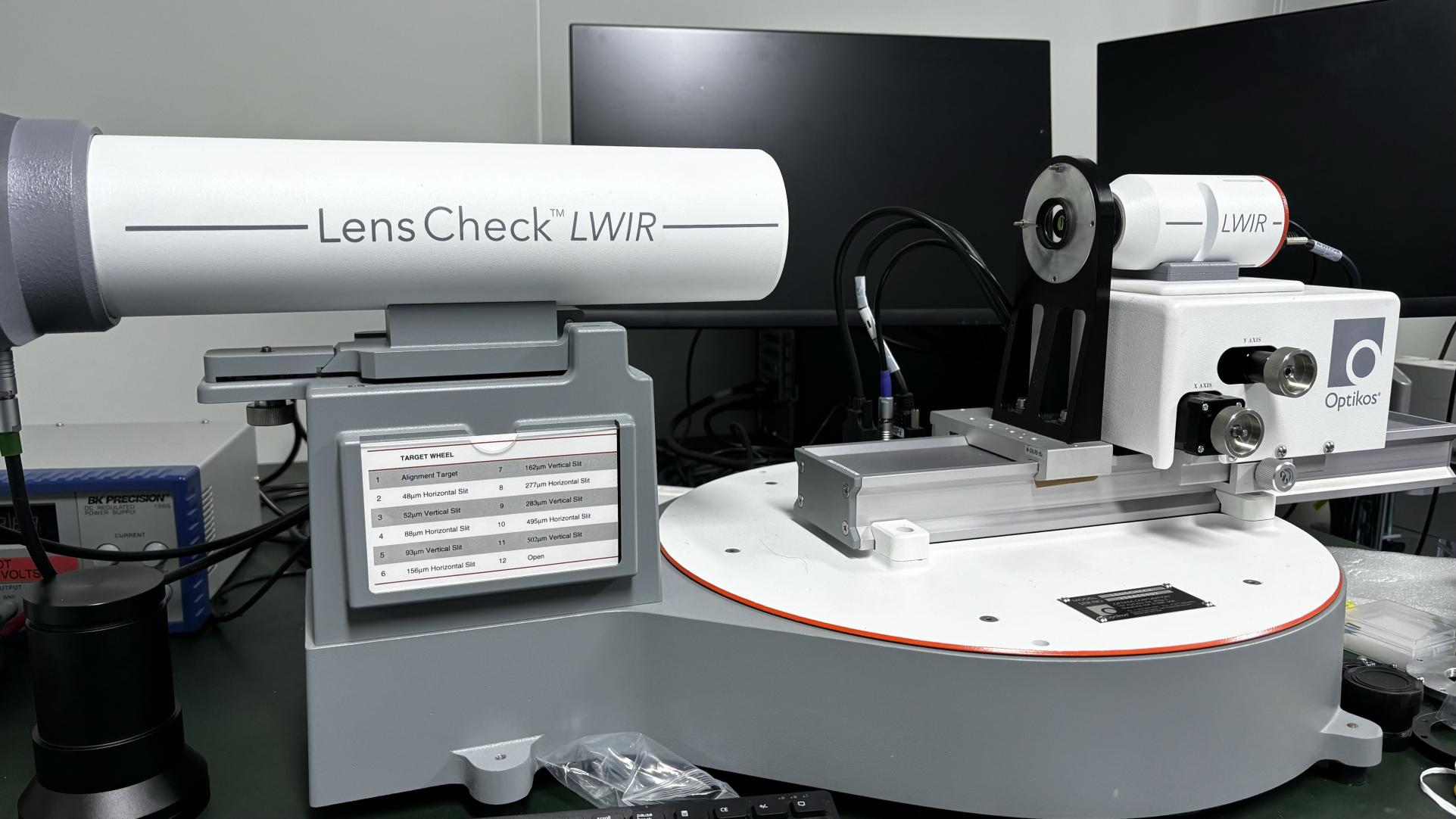
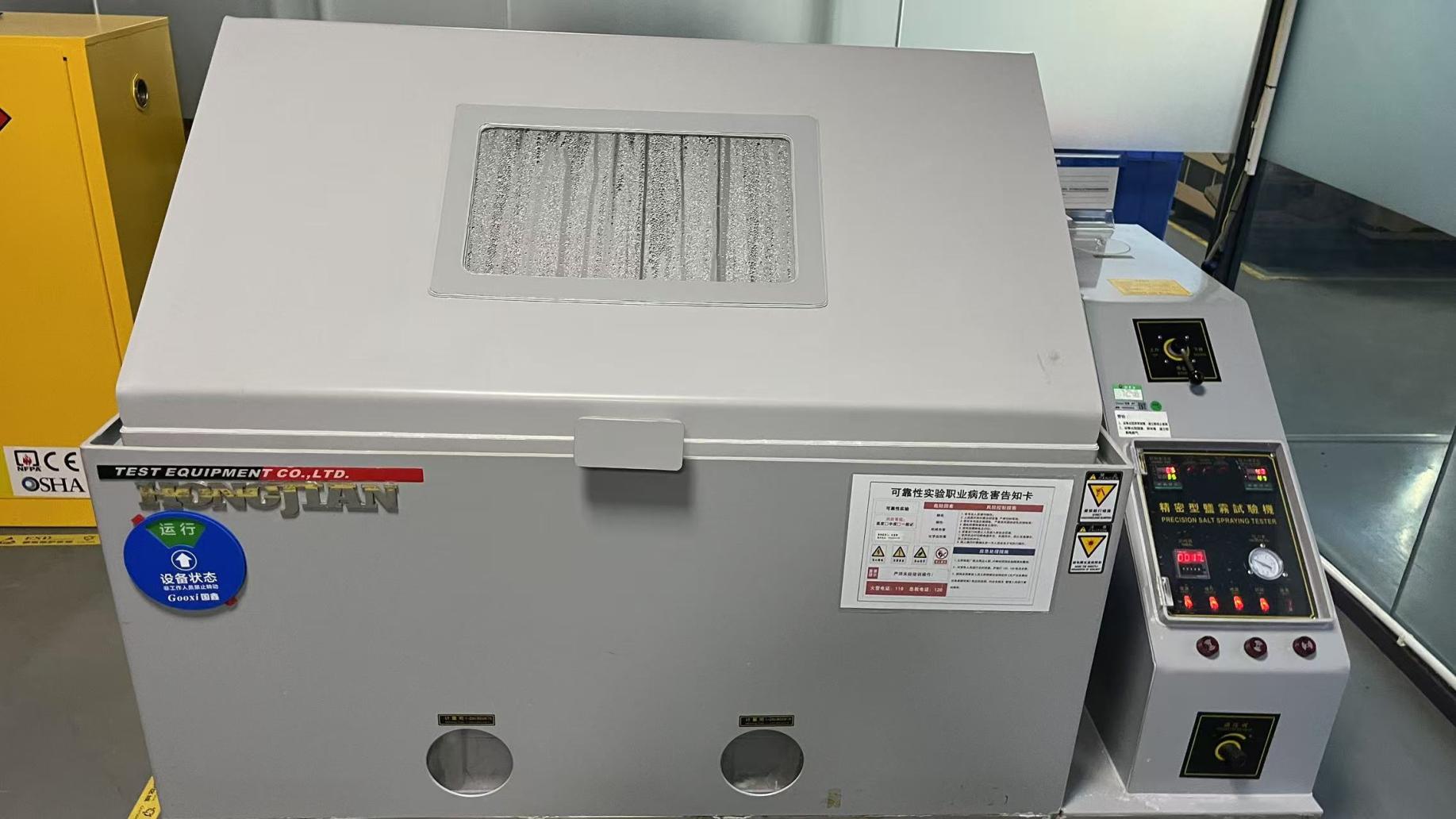
| Quality Protocol | 100% IQC, IPQC, FQC, and OQC Burn-in Testing |
| Supply Chain | 1,150 Global Partners for Rapid OEM/ODM Delivery |
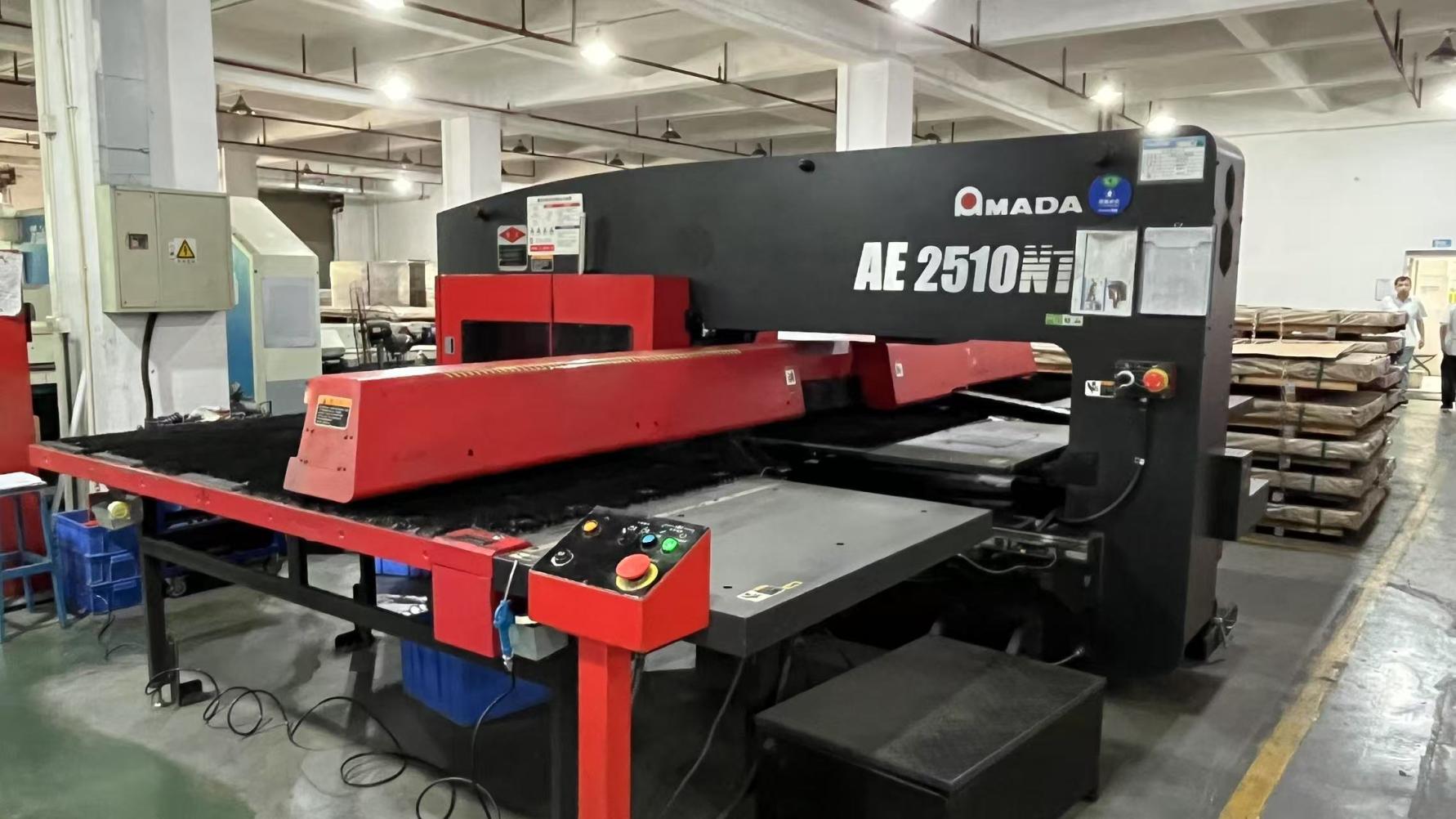
Expert insights into selecting the right hardware for security applications.
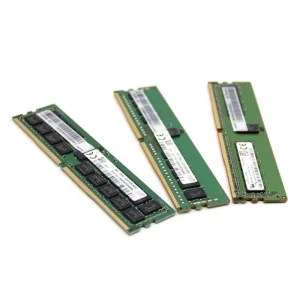
Core hardware components for building industrial-grade surveillance ecosystems.