Devixa Devixa

Top 10 Server Cooling Systems Factories & Suppliers

Industry Whitepaper: Thermal Management, Next-Gen High-Density AI Architectures, & Ecosystem Matrix (2025-2026)

High-Performance Computing & Server Infrastructure
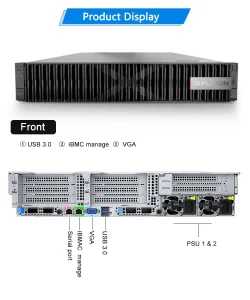
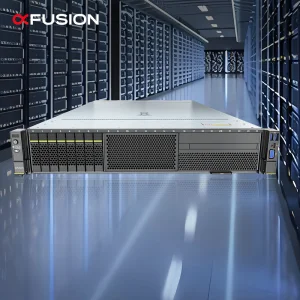
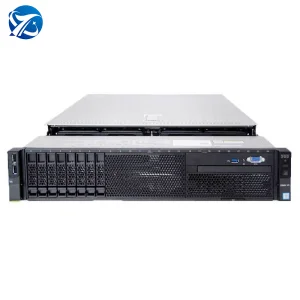
New xFusion Fusion 2288H V7 2U 2-socket Server
New xFusion Fusion 2288H V7 2U 2-socket Network AI Deepseek Servers Ai Huawie Gpu Rack Deep Learning Xeon Server
View Technical Specifications
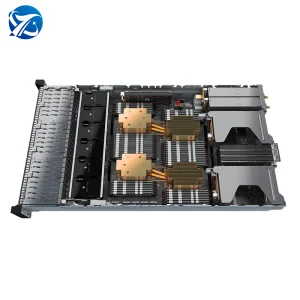
FusionServer 2288H V5 Server
FusionServer 2288H V5 Servers Computer Nas Storage Pc Gpu And Buy Workstations Web Devices Ssd Networks Rack Xeon Server
View Technical Specifications
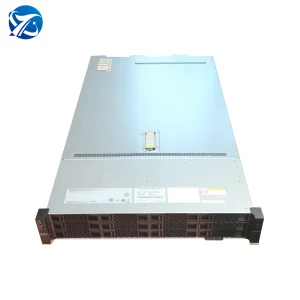
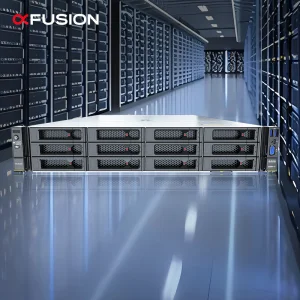
New xFusion 2U Rack Cloud AI Server
New xFusion 2U Rack Deepseek Cloud Ai 2025 Set Mount Data Storage Nas Network Servers for Sale High Performance Industrial Server
View Technical Specifications
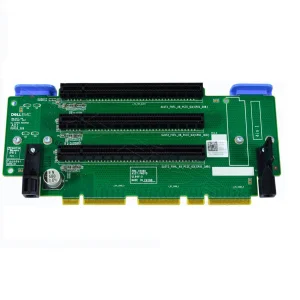
R740 R740XD Server GPU Kit
R740 R740XD Server RISER 2 RISER 3 Card PCI-E GPU Kit
View Technical Specifications
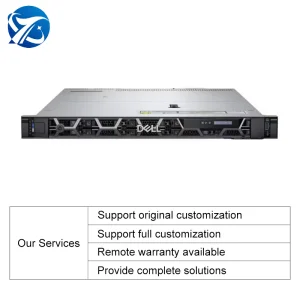
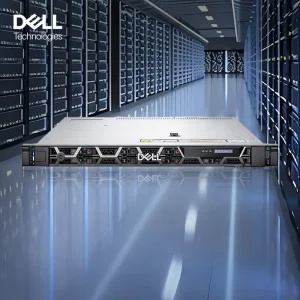
PowerEdge R450 1U Rack Server
Wholesale In Stock Shenzhen PowerEdge R450 1U Rack Mount 1U Dell Workstation Servers Rack Nas Precision Xeon Server
View Technical Specifications
xFusion 2288H V6 Cloud Server
New xFusion 2288H V6 Cloud Computing Server 8*2.5 Inch Drive 2288H V6 2U 2-socket Computer Rack Server
View Technical Specifications
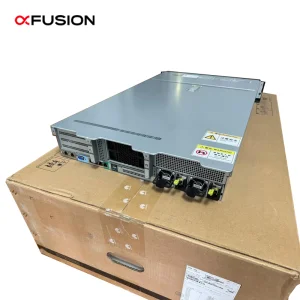
New xFusion 2288H V5 AI Server
New xFusion 2288H V5 Ai Data Servers Gpu Storage Deepseek Xeon Computer Rack Cloud Center Cpu Short Depth Oem For Sale Server
View Technical Specifications
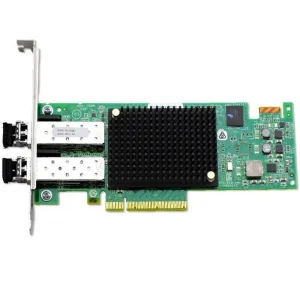
Emulex HBA Card LPE35000
Emulex HBA Card LPE35000 -AP FC Single Port -32Gb/s-SFP28+(including 1 Multimode Optical Module) PCIE 4.0x8 for Xfusion Servers
View Technical Specifications

The Commercial and Industrial Landscape of Server Cooling Systems

As AI models, high-performance computing (HPC), and deep learning applications grow exponentially, the thermal management of modern data centers has reached a critical bottleneck. Legacy server cooling designs, which relied heavily on traditional ambient air circulation, are proving insufficient against next-generation microprocessors. The total design power (TDP) of contemporary GPUs and CPUs has surged, with mainstream AI accelerators regularly exceeding 700W to 1000W per chip, and next-generation architectures projected to break 1200W+.

From a global macroeconomic perspective, the market for server cooling solutions is no longer a secondary component of IT infrastructure; it is now a core determinant of datacenter Power Usage Effectiveness (PUE) and operational expenditure (OPEX). According to industry consensus, cooling processes consume up to 40% of the total energy footprint of a standard enterprise data center. Reducing this metric is essential for global environmental sustainability goals and operational profitability.

Macro Industry Perspective: Global regulations are tightening. For instance, the EU Energy Efficiency Directive and regional standards across North America and Asia-Pacific mandate that new mega-scale datacenters maintain a PUE of 1.25 or below. Achieving this target is technically impossible using conventional air-cooling schemes alone, driving a rapid industrial pivot to liquid and hybrid cooling methodologies.

Global Industry Trends: The Shift Towards Advanced Liquid Cooling

The server cooling ecosystem is currently experiencing three parallel paradigm shifts that define the strategies of top tier suppliers and factories worldwide:

  • Direct-to-Chip (D2C) Cold Plate Cooling: The primary commercial step for existing data center retrofits. D2C cooling targets high-power CPUs and GPUs directly using copper cooling blocks. This process channels a dielectric fluid or treated water loop to extract heat immediately from the silicon, leaving low-heat secondary components to be managed by mild air currents.
  • Single-Phase & Two-Phase Immersion Cooling: Liquid immersion represents the ultimate thermodynamic limit of cooling efficiency. By submerging entire server blades in specialized non-conductive dielectric fluid, heat is transferred with minimal thermal resistance. Two-phase immersion utilizes the latent heat of vaporization, where the fluid boils at a low temperature, vaporizes, condenses on a cold plate, and drips back down.
  • Intelligent Coolant Distribution Units (CDUs): Modern factories are integrating proprietary, AI-driven CDUs that actively monitor and adjust flow rates, fluid pressure, and temperature profiles in real time based on fluctuating server processing loads.
1.15
Target PUE for Liquid Cooling
1000W+
Next-Gen GPU TDP Support
40%
Energy Reduction vs. Air
18,600m²
Devixa Factory Scale
Company Profile & Manufacturing Capability

Devixa Technologies Inc. — Leading the AI Infrastructure Revolution

Devixa Technologies Inc. is a professional manufacturer specializing in AI GPU servers, high-performance computing (HPC) systems, GPU workstations, and customized AI infrastructure solutions. Since its establishment, Devixa has focused on delivering reliable, scalable, and energy-efficient computing platforms for artificial intelligence training, inference, cloud computing, big data analytics, scientific research, and enterprise data centers.

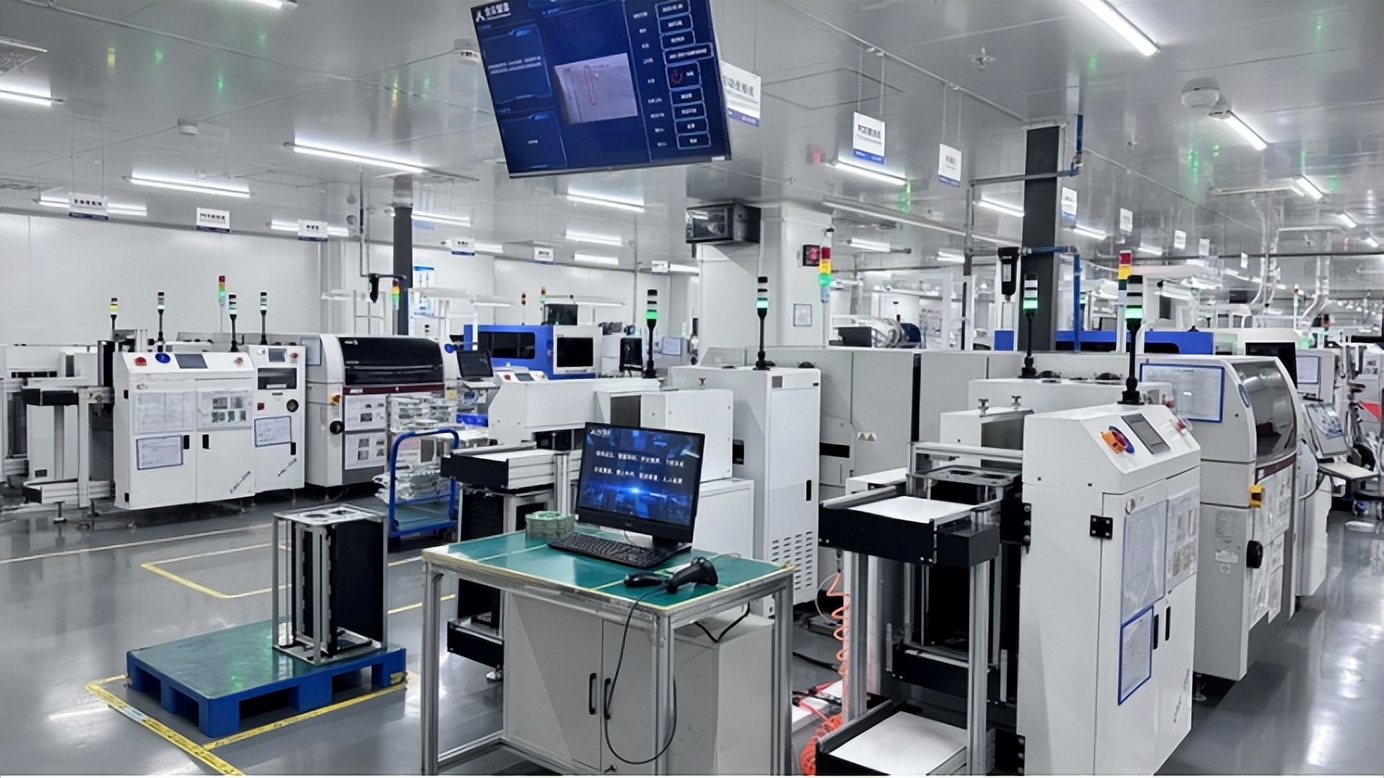
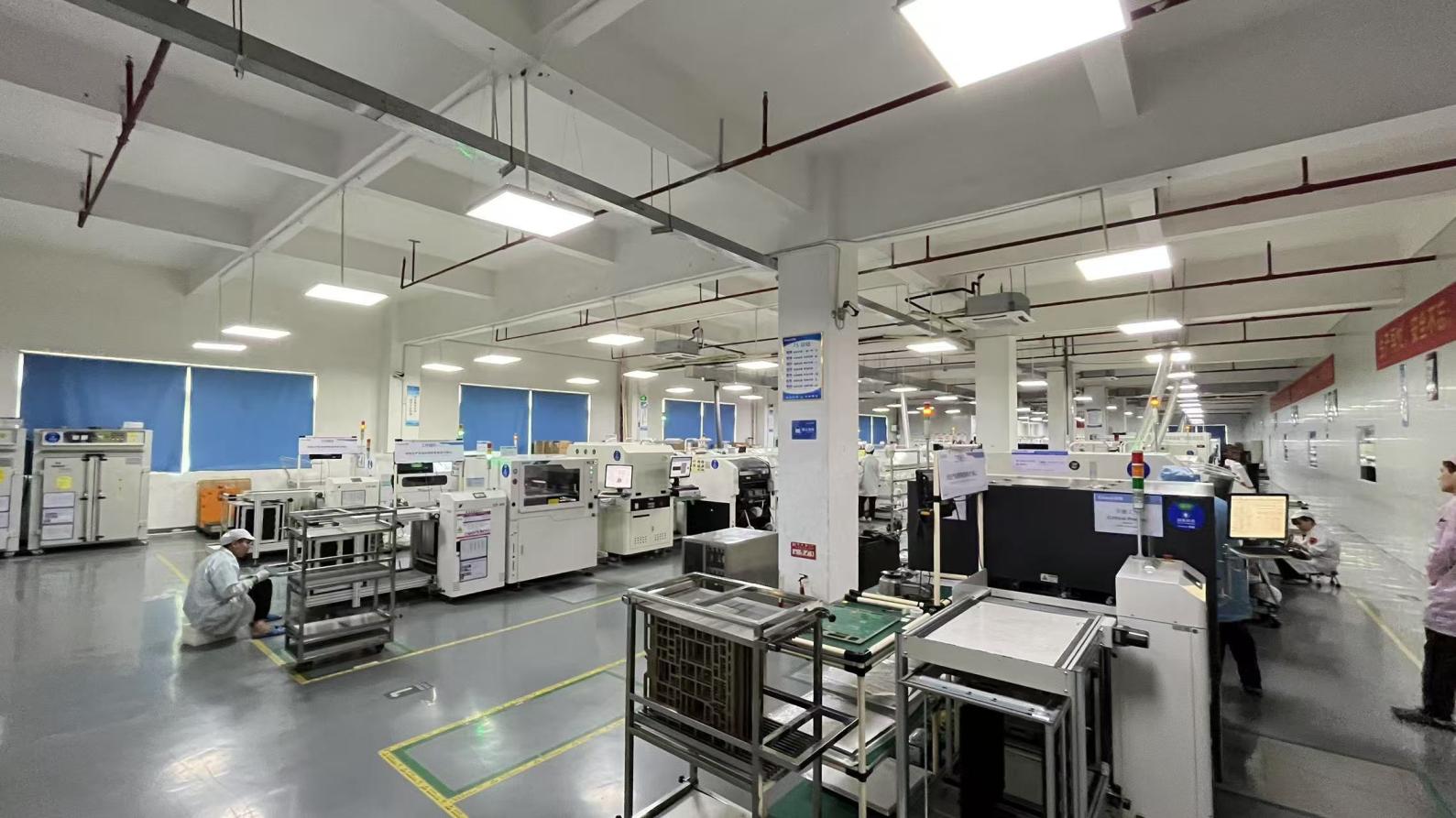
With a modern manufacturing facility covering 18,600 m², Devixa integrates hardware design, system integration, testing, and quality management under one roof. Our experienced engineering team continuously develops innovative GPU server platforms compatible with NVIDIA® and AMD® accelerator technologies, providing customers with flexible configurations tailored to different AI workloads.

Supported by a strong R&D team and a mature global supply chain, Devixa serves OEM, ODM, and private label customers worldwide. We are committed to strict quality control, fast delivery, and long-term technical support, helping partners build competitive AI infrastructure with dependable performance.

Operations Metric Verification & Operational Details
Company Registration Date April 18, 2016
Factory Area 18,600 m²
Annual Export Revenue USD 28.4 Million
Export Experience 8 Years
Industry Experience 10 Years
Quality Assurance 100% Quality Inspection Before Shipment
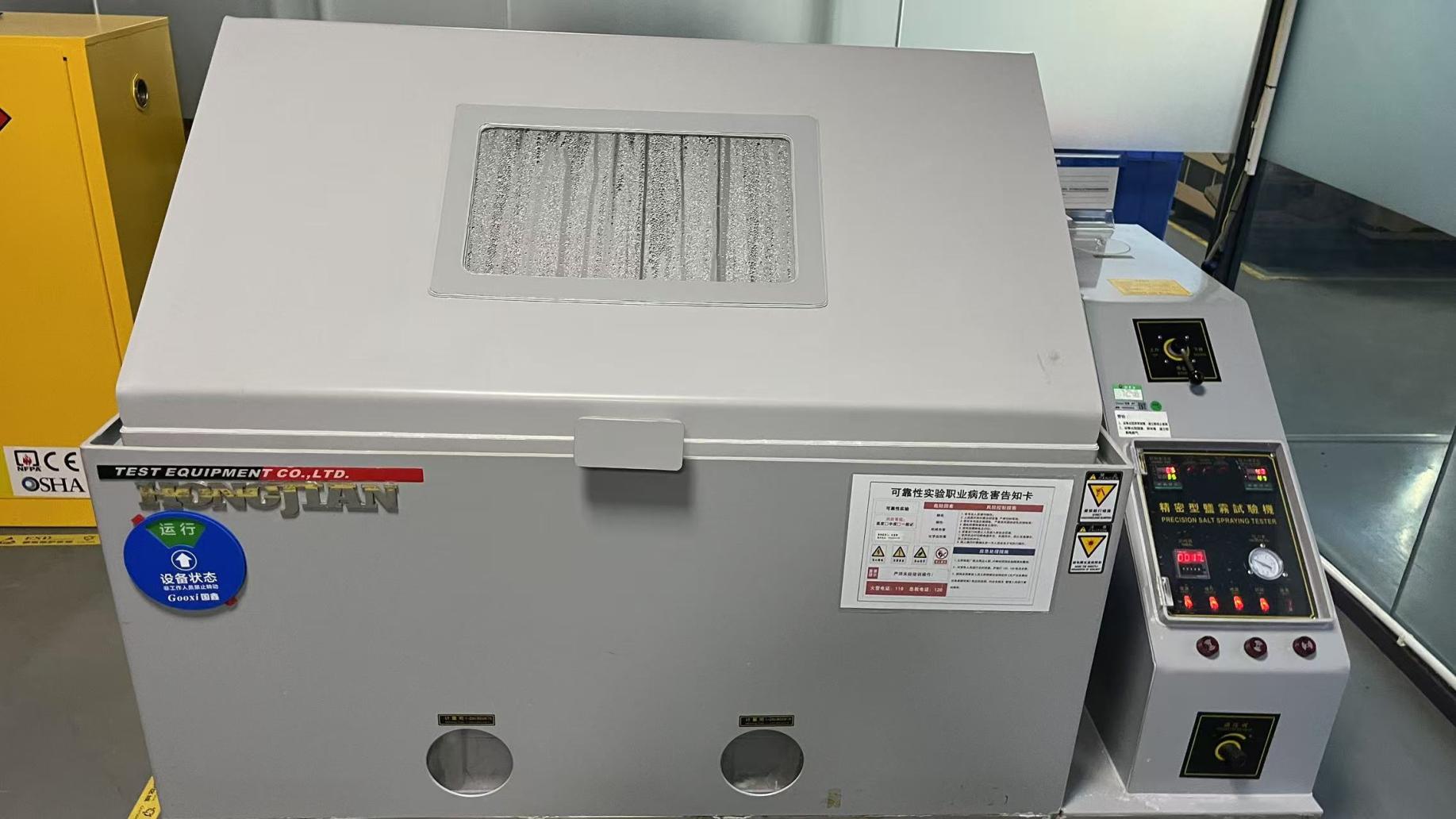
Product Inspection Method Incoming Material Inspection (IQC), In-Process Inspection (IPQC), Functional Testing, Burn-in Test, Final Quality Control (FQC), Outgoing Quality Inspection (OQC)
Quality Control Staff 42 Certified QC Auditors
Business Type Manufacturer & Exporter (OEM/ODM Service)
Main Markets North America, Western Europe, Southeast Asia, Middle East, Australia
Supply Chain Partners 1,150 Authorized Component Vendors
Main Customer Types System Integrators, AI Solution Providers, Cloud Service Providers, Research Institutes, Universities, Enterprise Data Centers
R&D Capability Independent Hardware Design, Firmware Development, Thermal Optimization, Custom AI Server Solutions
Customization Options OEM, ODM, Logo Printing, BIOS Customization, Chassis Design, GPU/CPU/Memory/Storage Configuration
New Products Released Last Year 68 Innovative SKU Designs
R&D Engineers 126 Dedicated Engineers

Technology Roadmap & Thermal Evolution Guidelines (2025 - 2030)

To help global data centers navigate this transition, our thermal laboratory has mapped out a three-stage cooling technology path. The transition should align with hardware TDP configurations, facility constraints, and local environmental parameters.

Phase 1: Hybrid Integration

Air & Micro-Channel Cold Plates

Ideal for legacy systems upgrading to early-stage deep learning GPU clusters. It utilizes advanced air circulation alongside micro-channel copper cold plates directly mounted to the primary processors.

Phase 2: Closed-Loop Liquid

Rear Door Heat Exchangers (RDHx)

Designed for medium to high-density server rooms. Active or passive liquid-filled rear door panels capture up to 95% of heat escaping the server chassis, maintaining ambient room conditions without complex plumbing.

Phase 3: Immersion Era

Dielectric Fluid Immersion

Designed for next-generation multi-megawatt AI supercomputing clusters. Complete chassis submersion in single-phase or two-phase synthetic oil configurations, removing fans entirely to run at near-silent levels.

Localized Solutions & Application Scenarios

Environmental conditions vary significantly by geographic location, and a one-size-fits-all approach is rarely effective. In arid climates, such as the Middle East, high ambient temperatures make traditional dry cooling systems inefficient. Under these conditions, operators combine closed-loop water chillers with evaporative media.

Conversely, in cold regions like Western Europe or Northern North America, servers can leverage direct air economizers. This method draws in filtered outside air to reduce cooling costs. In these setups, warm air expelled from high-density server arrays is often redirected to heat surrounding municipal buildings.
Frequently Asked Questions (FAQ)

What thermal threshold makes liquid cooling mandatory for AI servers?
Generally, when chip TDP exceeds 350 Watts, air cooling becomes highly inefficient, requiring loud, high-RPM fans and larger heat sinks that limit system density. At 500 Watts and above, direct liquid cooling or immersion becomes practically mandatory to maintain safe junction temperatures and prevent thermal throttling.
How does single-phase immersion cooling differ from two-phase systems?
Single-phase immersion cooling circulates a dielectric fluid that remains in liquid state throughout the thermal cycle. Heat is transferred via liquid pumps and heat exchangers. Two-phase immersion utilizes fluids with a lower boiling point; the fluid vaporizes when heated by the processor, rises, condenses back to liquid on a cooling plate, and drips down, using latent heat of vaporization for increased efficiency.
What quality assurance checks does Devixa Technologies apply to customized server cooling kits?
Devixa enforces a comprehensive testing protocol: Incoming Material Inspection (IQC) for raw metals and tubing, In-Process Inspection (IPQC) on welding seams and O-rings, complete high-pressure water/air leak testing, followed by functional performance testing, thermal chamber burn-in testing, and Outgoing Quality Control (OQC) before dispatch.
Are standard server racks compatible with rear door heat exchangers (RDHx)?
Yes. Most enterprise-grade RDHx units are engineered to attach to standard 19-inch rack profiles, replacing the standard rear door. This design enables data centers to upgrade their cooling capacity without replacing their entire physical rack infrastructure.
Data Center Server Deployments & Custom Accessories
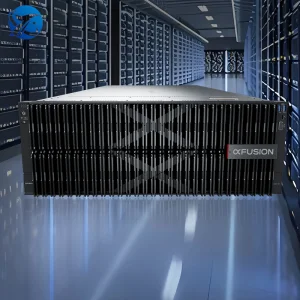
New xFusion FusionServer 5885H V7 4U Server
New xFusion FusionServer 5885H V7 Computer Servers 8*NVME Drive 2* Xeon 6416H 2*32G 2*2000W PSU 5885H V7 4U Server Rack
View Technical Specifications
FusionServer G5500 V7 AI Server
FusionServer G5500 V7 Ai Servers Computer Nas Storage Pc Gpu And Buy Workstations Web Devices Ssd Networks Rack Xeon Server
View Technical Specifications
2026 Windows Dedicated AI Server
2026 Windows Dedicated Data Center Rack Ai Gpu Deep Learning Deepseek Pc 10Gbps With Multiple Container 2U Server
View Technical Specifications
FusionServer G5200 V5 AI Server
FusionServer G5200 V5 Ai Data Servers Gpu Storage Deepseek Xeon Computer Rack Cloud Center Cpu Short Depth Oem For Sale Server
View Technical Specifications
Server 2288H V7 Xeon Workstations
Server 2288H V7 Servers Computer Nas Storage Pc Gpu And Buy Workstations Web Devices Ssd Networks Rack Xeon Server
View Technical Specifications
Dell PowerEdge R660 1U Server
DEll PowerEdge R660 1U 2-Socket Network Server Intel Xeon 4410Y 64GB DDR5 4800mhz Server D Ell R660 Rack Server
View Technical Specifications
FusionServer 1288H V6 Server
FusionServer 1288H V6 Servers Computer Nas Storage Pc Gpu And Buy Workstations Web Devices Ssd Networks Rack Xeon Server
View Technical Specifications
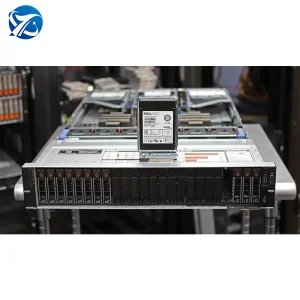
Dell PowerEdge 2U Network Series Servers
Hot Selling DEll Poweredge 2U 2-socket Network Series Servers R730 R740 R750 R760XS XD Computer Rack Epyc Nas Storage Server
View Technical Specifications