Devixa
Devixa
Devixa
Modern Enterprise IT Infrastructure is undergoing a radical shift. The rapid emergence of Artificial Intelligence (AI) training platforms, Large Language Models (LLMs like DeepSeek), and hybrid cloud architectures has expanded the traditional boundaries of IT Asset Management. Today, ITAM is not merely an operational tracking process of tracking software licenses or local desktop counts. It is a critical, security-sensitive discipline managing high-value hardware nodes—such as multi-GPU clusters, complex storage fabrics, enterprise servers, and networking components.
Hardware Asset Management (HAM) forms the foundational bedrock of this shift. Organizations deploy massive capital expenditure (CapEx) to establish high-performance computing centers. Managing these physical assets from incoming inspection, baseline firmware integration, asset tagging, telemetry monitoring, to secure, eco-friendly decommissioning is crucial for maintaining operational efficiency, ensuring compliance with global data protection standards (GDPR, HIPAA), and optimizing Total Cost of Ownership (TCO).
Real-time physical asset health monitoring via IPMI and Redfish protocols to track hardware deterioration and energy footprints.
Adhering to NIST SP 800-88 guidelines for secure data sanitization of drives, arrays, and hardware caches at asset retirement.
Modular physical system design allowing hot-swappable replacements, custom BIOS configs, and scalable OEM integrations.
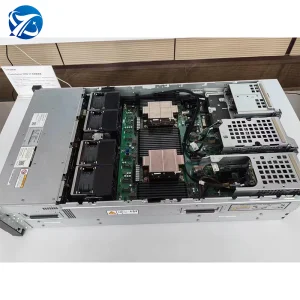
Devixa Technologies Inc. (Brand: Devixa, Website: https://www.devixagpu.com) is a professional, technology-led manufacturer specializing in AI GPU servers, high-performance computing (HPC) systems, advanced workstations, and customized hardware lifecycle platforms. Since its inception on April 18, 2016, Devixa has designed, validated, and exported reliable computational infrastructure to power world-class data centers, research facilities, and AI providers.
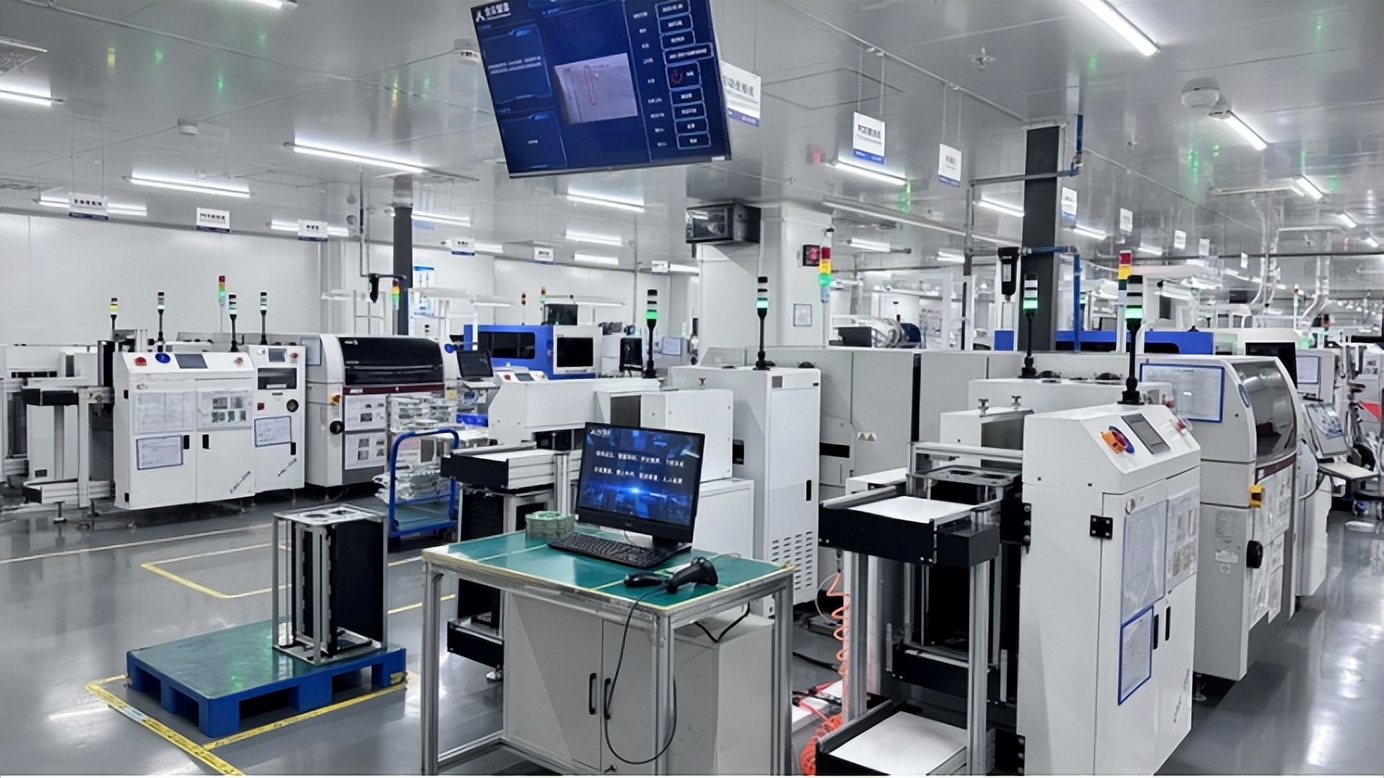
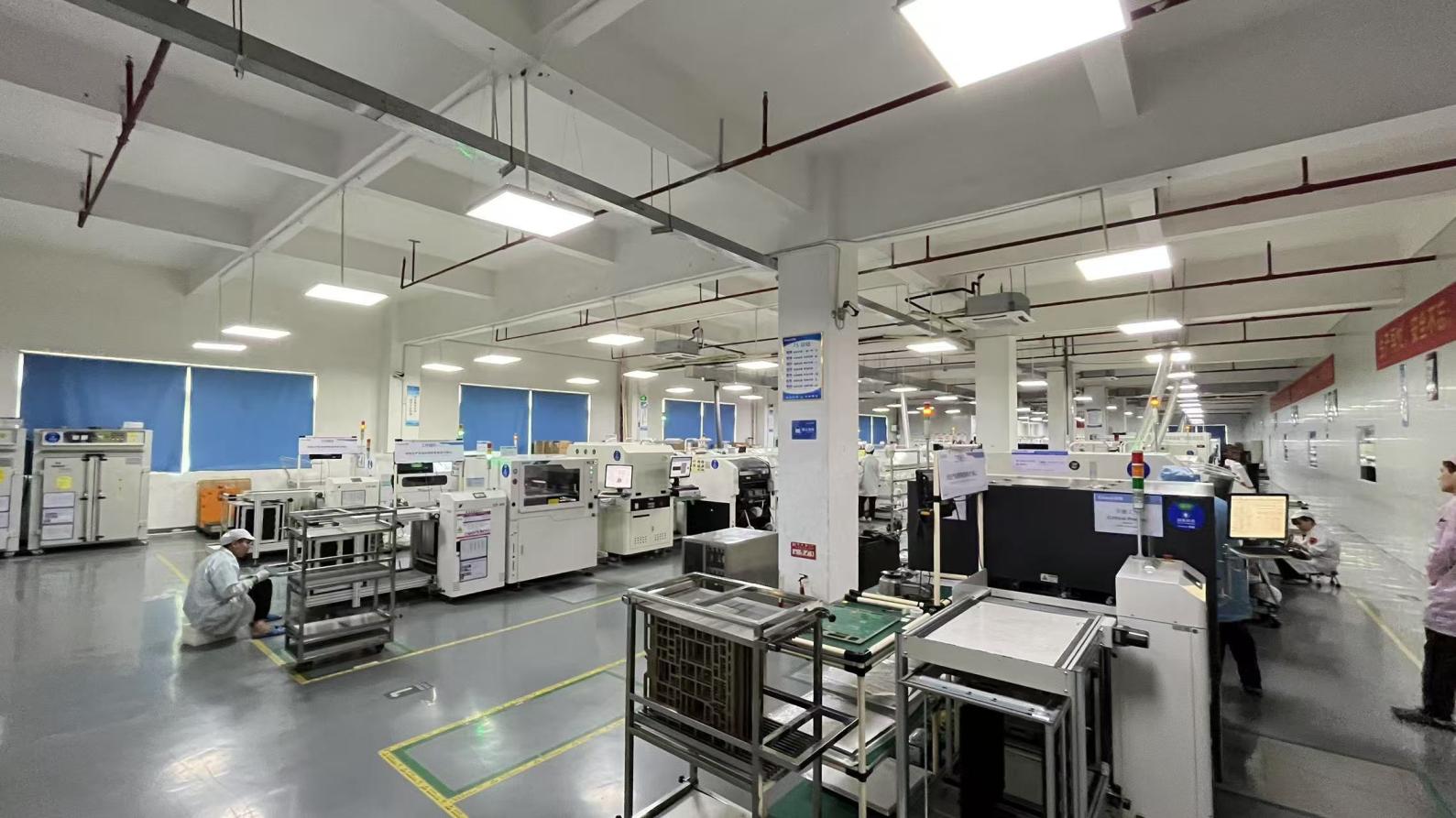
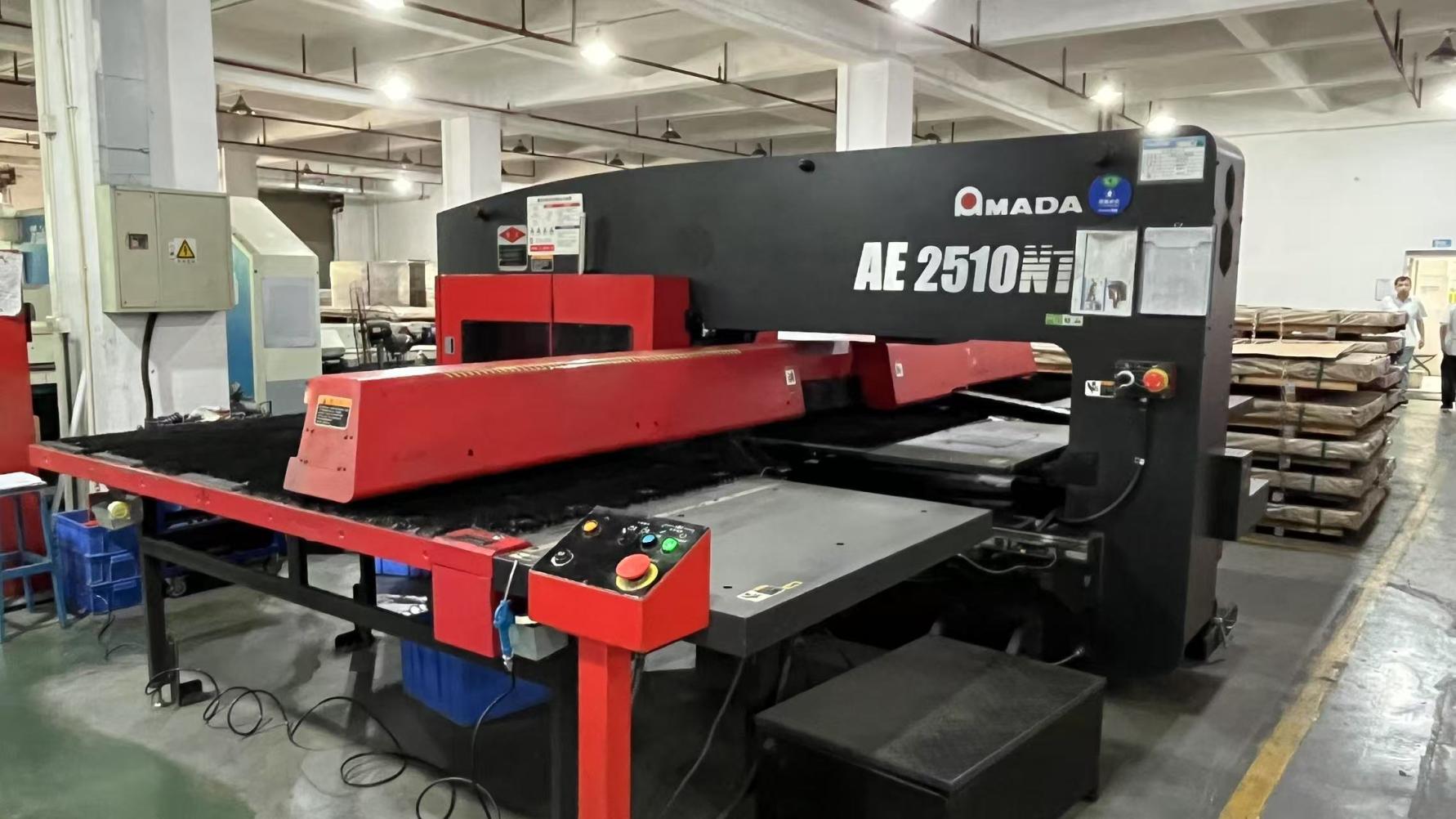
Operating a highly integrated 18,600 m² factory, Devixa merges system-level hardware design, advanced thermal modeling, high-speed signal integrity engineering, and exhaustive end-of-line performance validation. In a market where supply chain continuity dictates time-to-market, Devixa has forged partnerships with over 1,150 supply chain entities, securing continuous access to vital silicon chips, PCB substrates, and system components.
| Operational Core Metric | Devixa Specifications & Standards |
|---|---|
| Business Model | ODM, OEM, System Integration, Enterprise Infrastructure Supplier |
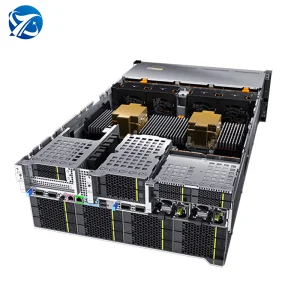
| Product Portfolio | AI GPU Servers, High-Speed Switches, RAID Controllers, Dual-Socket Cloud Servers, HCI Nodes |
| Quality Inspection Protocols | IQC (Incoming Material), IPQC (In-Process), Thermal Stress, Burn-In Testing, FQC, OQC (Outgoing) |
| Customization Scope | Chassis Depth Optimization, Custom BIOS/UEFI firmware, Logo screen integration, Specialized PCIe mapping |
| Primary Global Markets | North America, Western Europe, Southeast Asia, Middle East, Australia |
| Innovation Pace | 68 New Hardware Configurations and Products Released Annually |
To guide enterprise buyers, our SEO growth team has analyzed the global hardware ecosystems that support ITAM applications. Hardware asset management is not an isolated track; it is heavily dependent on the hardware developers who design infrastructure with high-performance instrumentation, out-of-band management protocols, and telemetry integration. Below are the key segments of the top 10 hardware and infrastructure manufacturers supporting modern ITAM:
An expert in custom HPC and AI infrastructures. Devixa provides flexible OEM designs and specialized UEFI-level assets that report configuration parameters, serial numbers, and thermals directly to upstream ITAM software layers.
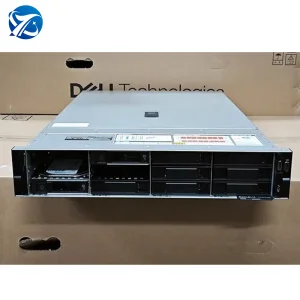
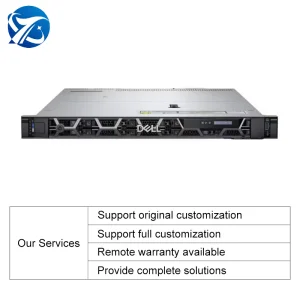
Renowned for the Integrated Dell Remote Access Controller (iDRAC). This allows ITAM programs to dynamically inspect configuration matrices, processor specifications, memory dimm locations, and warranty details in real-time.
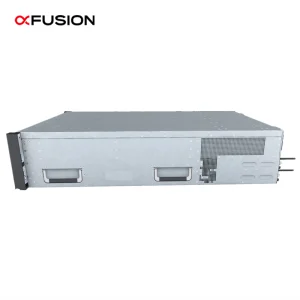
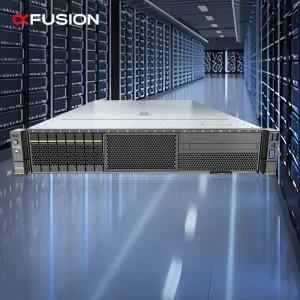
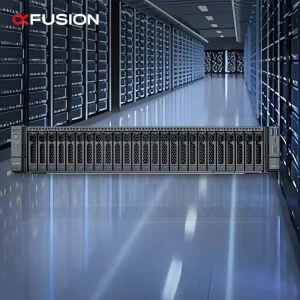
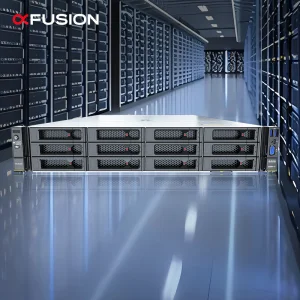
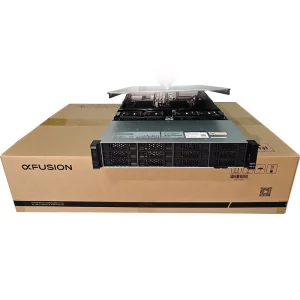
Pioneers of high-efficiency FusionServer systems. xFusion specializes in hyperconverged infrastructure and server arrays that support dense cloud virtualization workloads with comprehensive hardware tracking APIs.
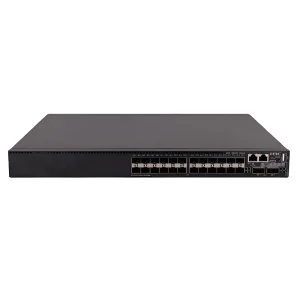
A powerhouse in network infrastructure. H3C switches provide deep Layer-3 telemetry and LLDP asset-discovery data, enabling network mapping tools to trace structural nodes instantaneously.
HPE's InfoSight AI-driven management and iLO (Integrated Lights-Out) controller set high industry standards for predictive failure analytics, hardware lifecycle logs, and software licensing audits.
Inspur dominates large cloud service environments, offering open-compute hardware architectures that allow large data centers to inventory thousands of hardware nodes quickly.
Lenovo offers reliable dual-socket and multi-node compute systems with XClarity Controller modules. These interface with third-party ITAM platforms (like ServiceNow or Flexera) using open standard Redfish schemas.
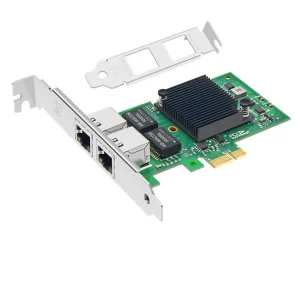
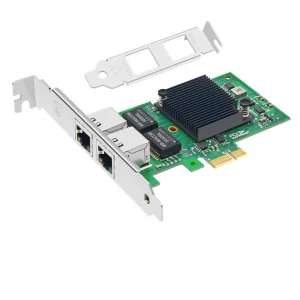
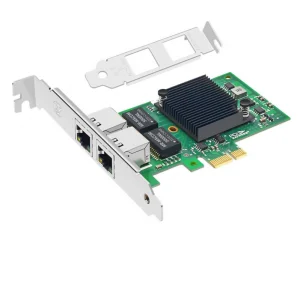
As a component manufacturer, Broadcom's RAID controllers and PCIe cards are critical assets that store storage volume metadata, disk health logs, and write cycles.
Specializing in high-density rackmount architectures, Supermicro provides raw hardware assets with out-of-band management options, perfect for customized web infrastructures and research environments.
Cisco Unified Computing System (UCS) treats hardware configuration as code. This allows ITAM tools to sync logical profiles with physical servers instantly, maintaining clean configuration management databases (CMDBs).
Devixa's manufacturing facility in Shenzhen leverages one of the world's most advanced electronic engineering ecosystems. This provides an important competitive advantage: agility and cost efficiency in component sourcing. By cooperating with over 1,150 hardware partners, we secure high-grade thermal interfaces, specialized custom heat pipes, multi-layer high-frequency PCBs, and structural chassis components quickly, avoiding the extended lead times common in other industrial regions.
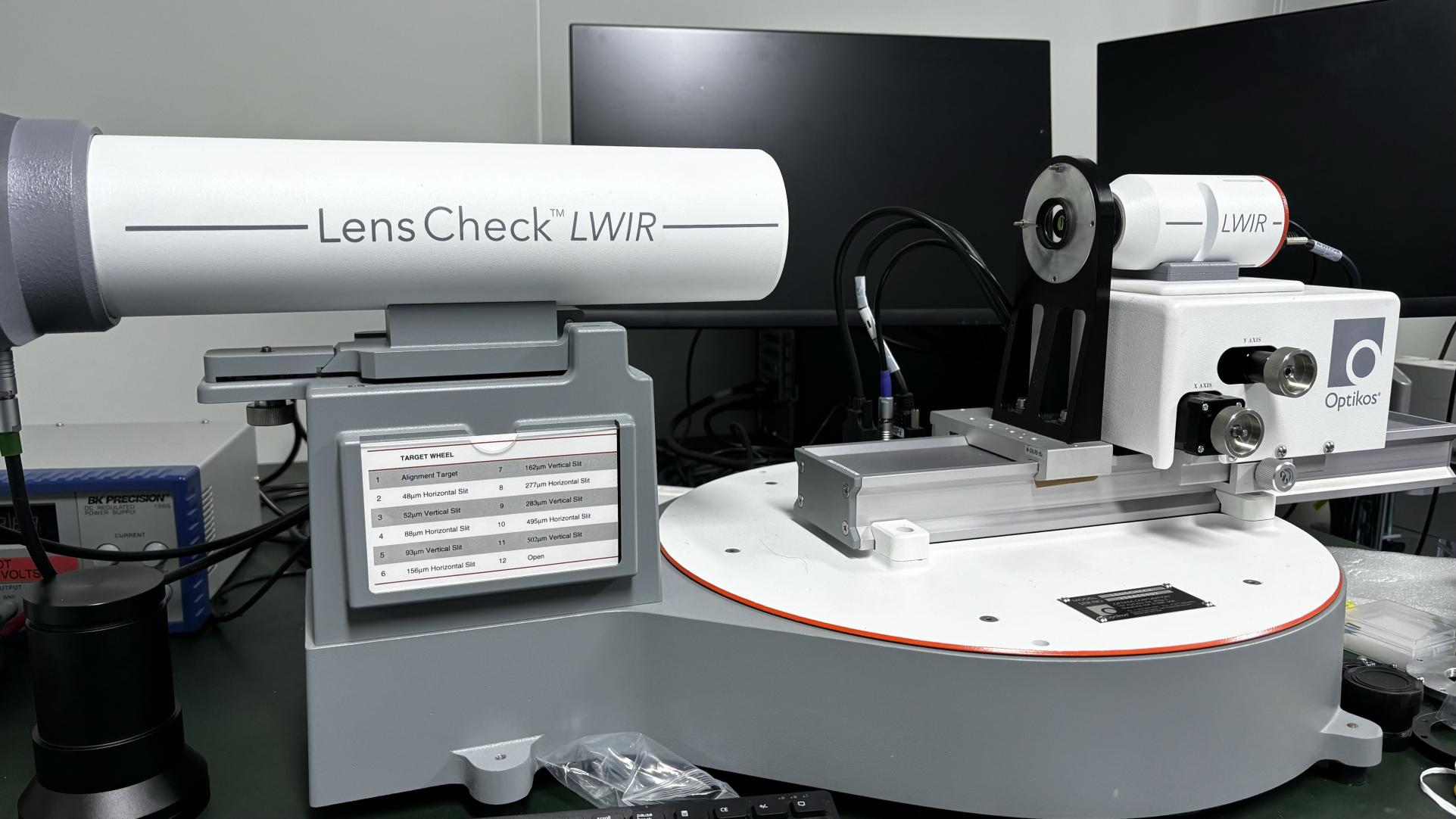
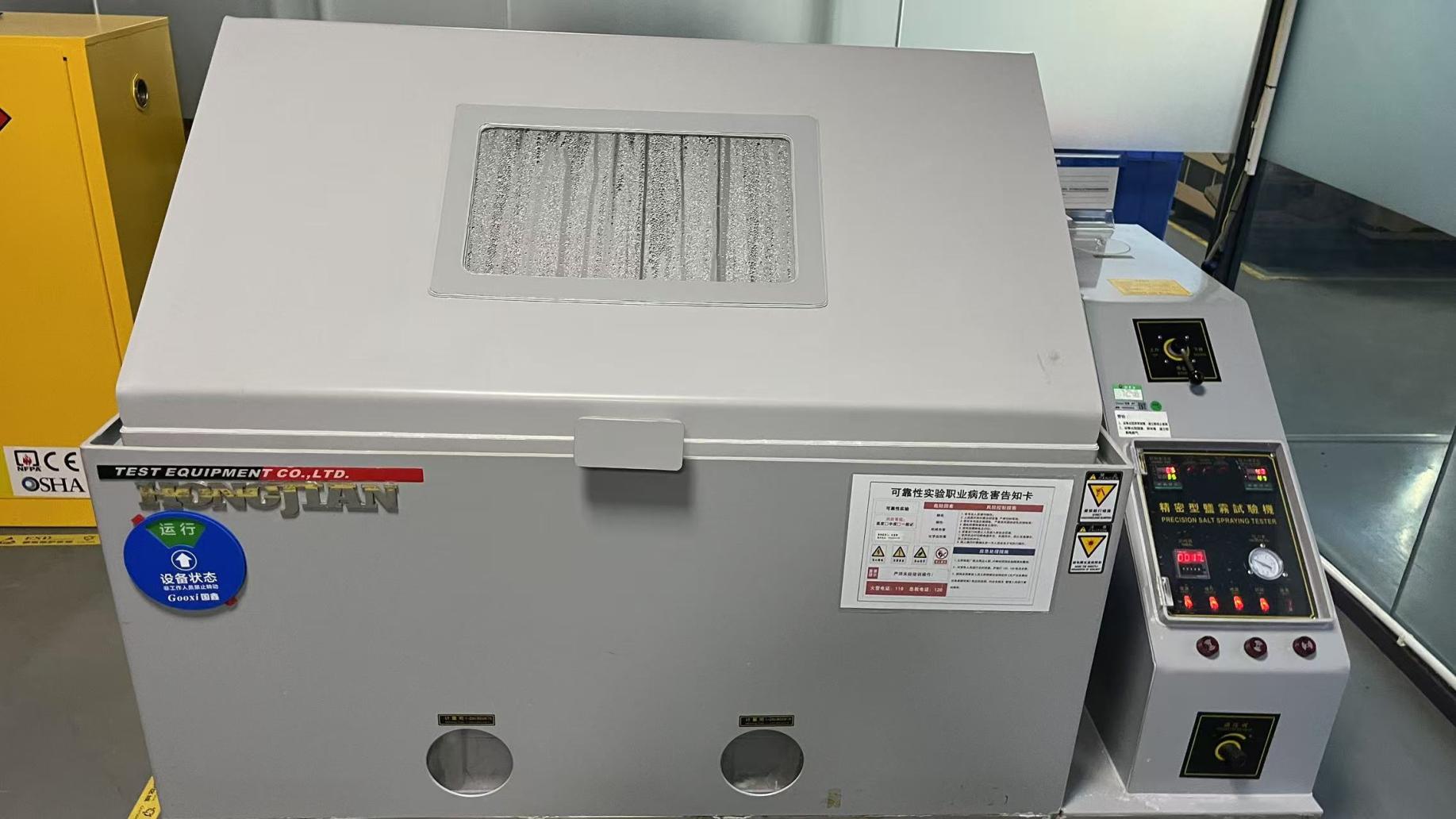
Our QA program includes IQC, IPQC, physical thermal chamber stress tests, and 24 to 72-hour burn-in cycles. This testing helps guarantee system stability for mission-critical AI training deployments.
Our R&D team of 126 engineers handles customizations, including physical dimensions, liquid-cooling loops, BIOS boot tables, PCIe lane splitting, and customized labeling.
By locating manufacturing in proximity to component suppliers, Devixa lowers assembly and transit costs. This allows us to offer competitively priced infrastructure solutions.
Deploying IT assets globally requires understanding local compliance, environmental laws, and security standards. ITAM processes must adapt to regional regulations. Below are three deployment scenarios that show how hardware asset management aligns with local requirements:
Healthcare and financial infrastructures in the US and Canada must trace compute nodes to safeguard client records. Devixa systems integrate with hardware TPM 2.0 (Trusted Platform Modules) and secure boot options. This ensures data encryption and facilitates compliant physical decommissioning with automated asset reporting.
European organizations are subject to GDPR requirements for data security and the WEEE directive for electronic waste. Devixa provides BIOS asset tagging options that identify hardware modules at decommissioning. This helps organizations maintain chain-of-custody documentation and simplifies eco-friendly recycling.
With expanding cloud infrastructures in regions like Riyadh, Singapore, and Jakarta, local data sovereignty is a key priority. Our OEM platforms can be customized to include localized management portals, specific power distributions, and dedicated maintenance agreements, helping local cloud hosts manage hardware uptime.
As computational density increases, physical tracking methodologies must also adapt. Hand-written asset stickers and simple spreadsheets are being replaced by automated, firmware-based asset reporting. Devixa is incorporating several key advancements into our product roadmap: