Devixa
Devixa
Devixa
In an era dominated by hyper-scale cloud deployments, artificial intelligence training, and decentralized edge environments, secure computing infrastructure has shifted from being a perimeter defense to a core architectural prerequisite. Today's hardware-based data encryption solutions must protect data across three distinct states: Data-at-Rest, Data-in-Transit, and increasingly, Data-in-Use (Confidential Computing).
Protecting workloads in real-time execution environments. Using advanced hardware enclaves (such as Intel® SGX, AMD® SEV-SNP, and ARM® TrustZone), Devixa platforms establish isolated CPU and memory segments that dynamically encrypt code and active datasets, blocking host-level root administration visibility and preventing hypervisor-level intrusion.
Massive data throughput demands zero latency penalties. By utilizing dedicated ASIC-based cryptographic engines, including TPM 2.0 microcontrollers, hardware security modules (HSM), and smart NICs (DPUs), our systems handle intensive symmetric key generation, TLS handshakes, and storage level AES-XTS-256 cycles off the primary CPU core loops.
Global multi-national enterprises must comply with diverse regional criteria. Our wholesale server motherboard architectures support dual-bios localization, enabling seamless switching between globally recognized standards (FIPS 140-3, AES, RSA, ECC) and local high-grade cryptographic algorithms (e.g., China’s SM2/SM3/SM4 algorithms), securing compliance for local administrative networks.
The mainstream emergence of large-scale deep learning models (such as DeepSeek, LLaMA, and proprietary LLMs) has created a high-risk security vector. AI workloads operate on vast matrices of intellectual property, highly confidential proprietary source codes, and private demographic datasets.
During inference tasks executed on scale-out GPU compute clusters, model weights represent hundreds of millions of dollars in intellectual capital. Our server models feature secure communication pathways directly linking the PCI Express bus (PCIe Gen 5) with high-density GPU accelerators, establishing encrypted links between memory interfaces to prevent hardware side-channel attacks.
Traditional data center models implicitly trusted physical hardware, the local network layer, and system administrators. The modern zero-trust paradigm assumes every physical device, switch, and host supervisor is potentially compromised, requiring continuous cryptographic attestation from boot time (Root of Trust) through execution.
Public organizations and global enterprises face strict punitive measures under frameworks like GDPR, HIPAA, and national security directives. Hardware-enforced encryption is not merely a technical preference; it serves as a statutory safe harbor against catastrophic class-action liabilities in the event of hardware asset loss or system decommissioning.
As a trusted OEM/ODM manufacturer, Devixa designs end-to-end bare-metal platforms engineered for direct cryptoprocessor integration. Our tailored systems address specific sectoral challenges through specialized topology integration.
Processing financial transactions requires ultra-low latency transaction encryption. We equip servers with physical HSM modules, PCIe Cryptographic Accelerators, and secure boot profiles. These guarantee that even in high-frequency multi-tenant virtualized cloud nodes, operational keys reside safely in tamper-resistant physical hardware boundaries.
To support next-generation diagnostic AI, hospitals must compile extensive medical records. Devixa workstation systems allow clinicians to process highly regulated clinical data utilizing secure hardware enclaves, ensuring compliance with strict HIPAA mandates and privacy laws without limiting performance.
For high-classification environments, we design custom server nodes featuring strict physical separation of components, active chassis intrusion detection, and automatic secure key sanitization. System keys are wiped from physical non-volatile storage components instantly if physical cabinet integrity is compromised.
Modern encryption schemes like RSA and ECC will eventually be vulnerable to decryption via quantum computing architectures. Devixa is proactive, preparing next-generation high-compute platforms for the upcoming cryptographic paradigm shift.
Our long-term R&D efforts focus on integrating lattice-based cryptographic algorithms into our standard system firmware. By provisioning high-capacity flash memory modules for dual bios chips, Devixa platforms are designed to run complex post-quantum algorithms without needing hardware replacements.
FHE allows processing mathematical functions directly on encrypted files, eliminating the need to decrypt datasets first. Because FHE requires significant computation, our R&D division is developing customized PCIe accelerator boards to support these operations in commercial GPU deployments.
To reduce risk within third-party semiconductor supply chains, Devixa is moving toward a modular Chiplet Root-of-Trust design. By isolating the secure boot engine onto dedicated, certified silicon, we verify every bios block, controller firmware, and operating system module before execution.
Devixa Technologies Inc. is a professional manufacturer specializing in AI GPU servers, high-performance computing (HPC) systems, GPU workstations, and customized AI infrastructure solutions. Since its establishment, Devixa has focused on delivering reliable, scalable, and energy-efficient computing platforms for artificial intelligence training, inference, cloud computing, big data analytics, scientific research, and enterprise data centers.
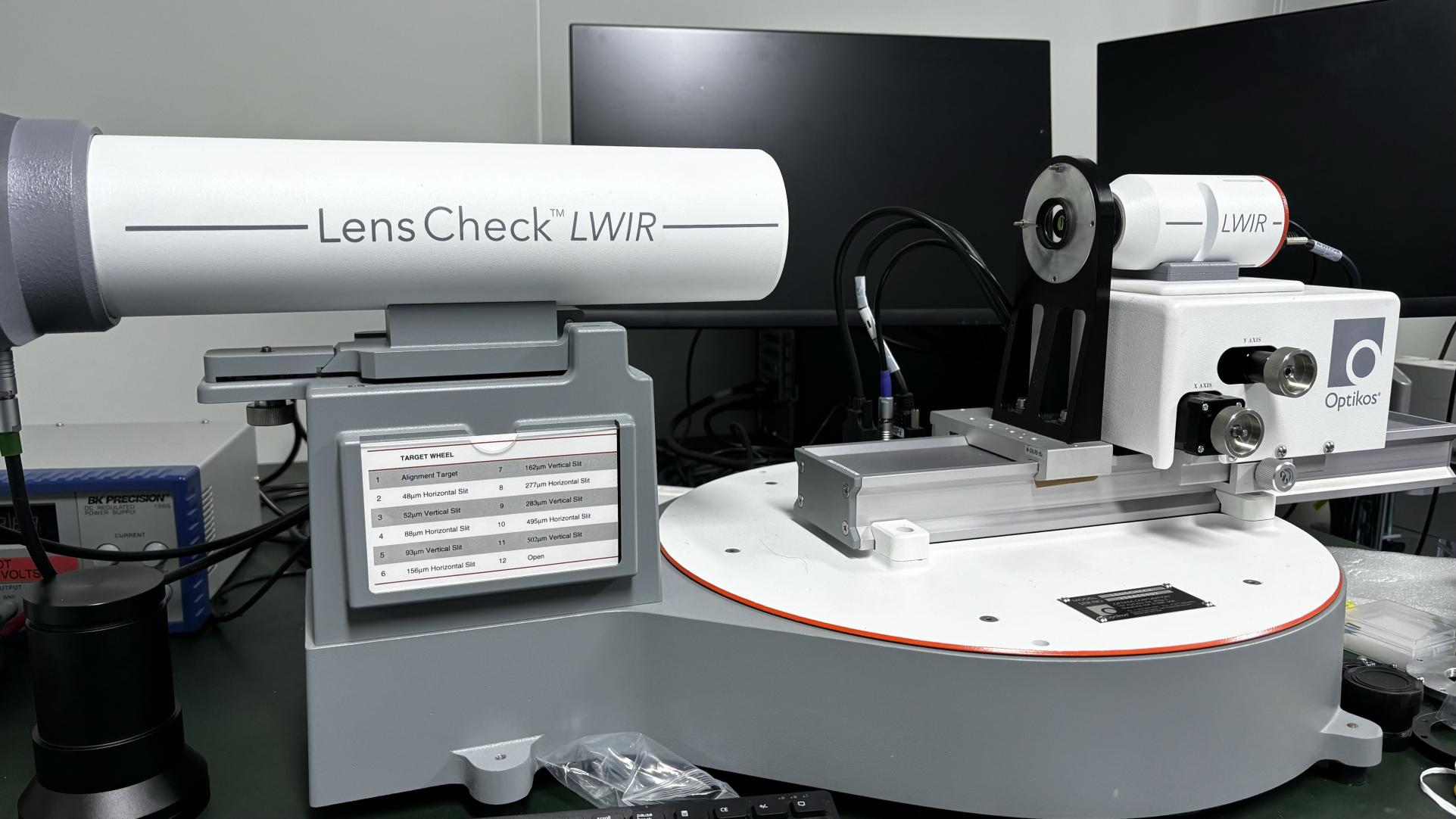
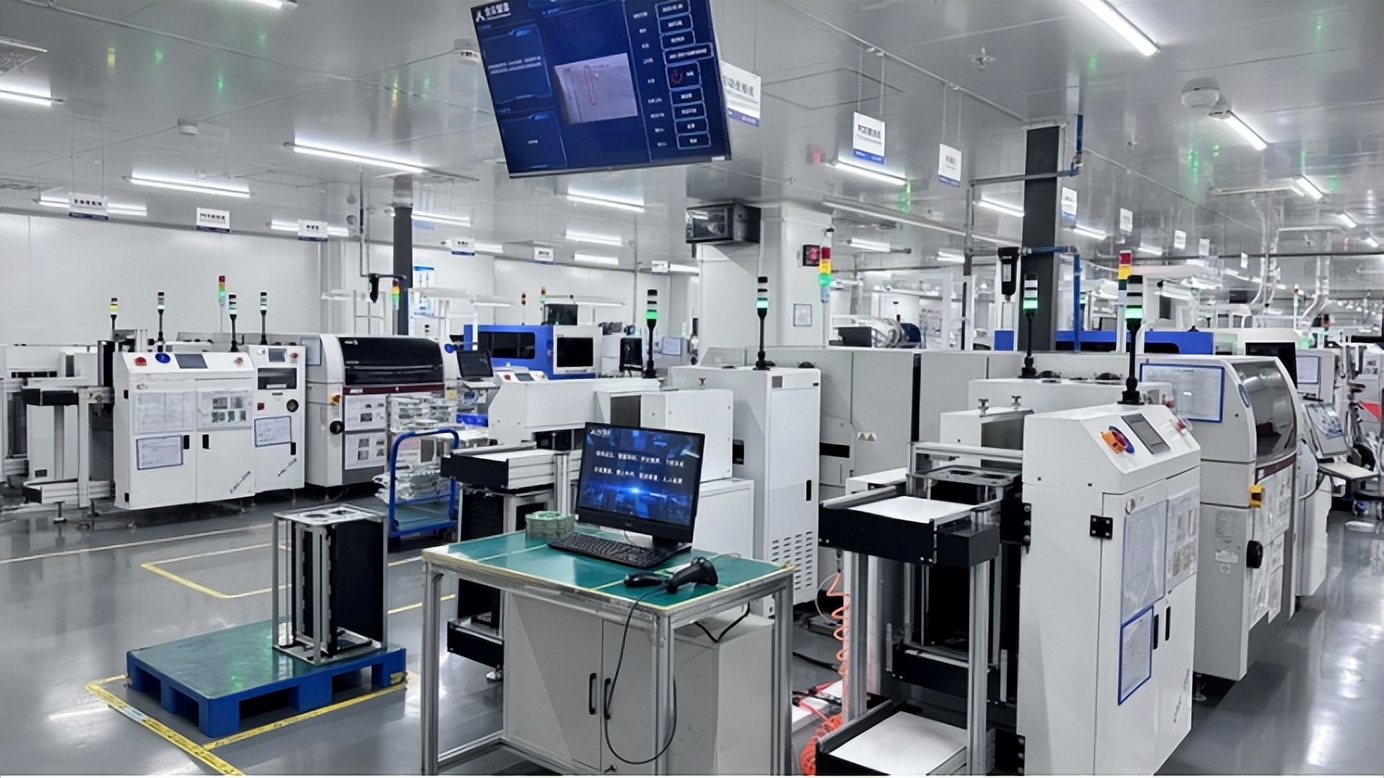
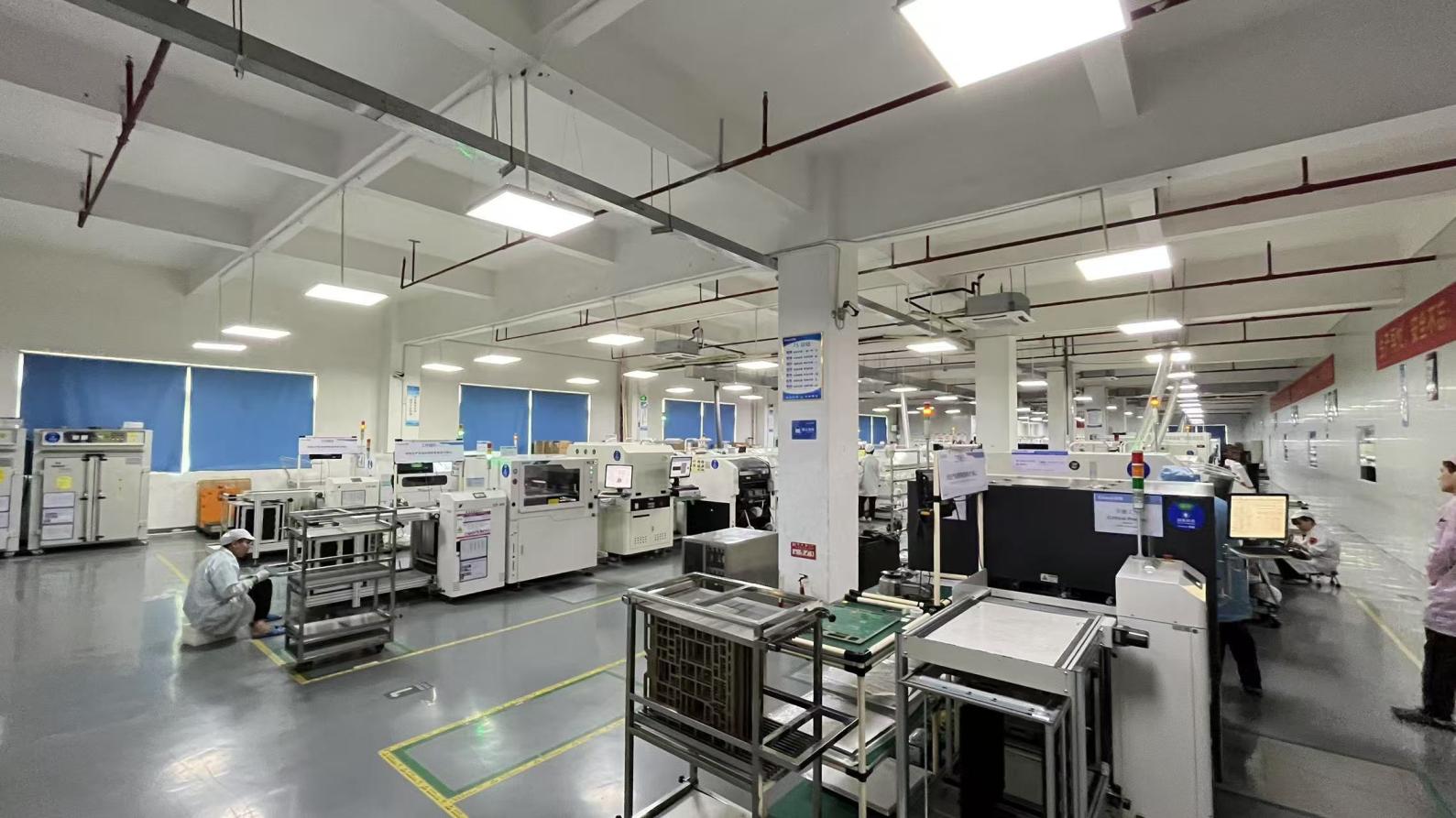
With a modern manufacturing facility covering 18,600 m², Devixa integrates hardware design, system integration, testing, and quality management under one roof. Our experienced engineering team continuously develops innovative GPU server platforms compatible with NVIDIA® and AMD® accelerator technologies, providing customers with flexible configurations tailored to different AI workloads. Supported by a strong R&D team and a mature global supply chain, Devixa serves OEM, ODM, and private label customers worldwide. We are committed to strict quality control, fast delivery, and long-term technical support, helping partners build competitive AI infrastructure with dependable performance.
| Operation Details / Hardware Capabilities | Devixa Specifications & Corporate Standards |
|---|---|
| Company Registration Date | April 18, 2016 |
| Factory Area | 18,600 m² |
| Annual Export Revenue | USD 28.4 Million |
| Export Experience | 8 Years |
| Industry Experience | 10 Years |
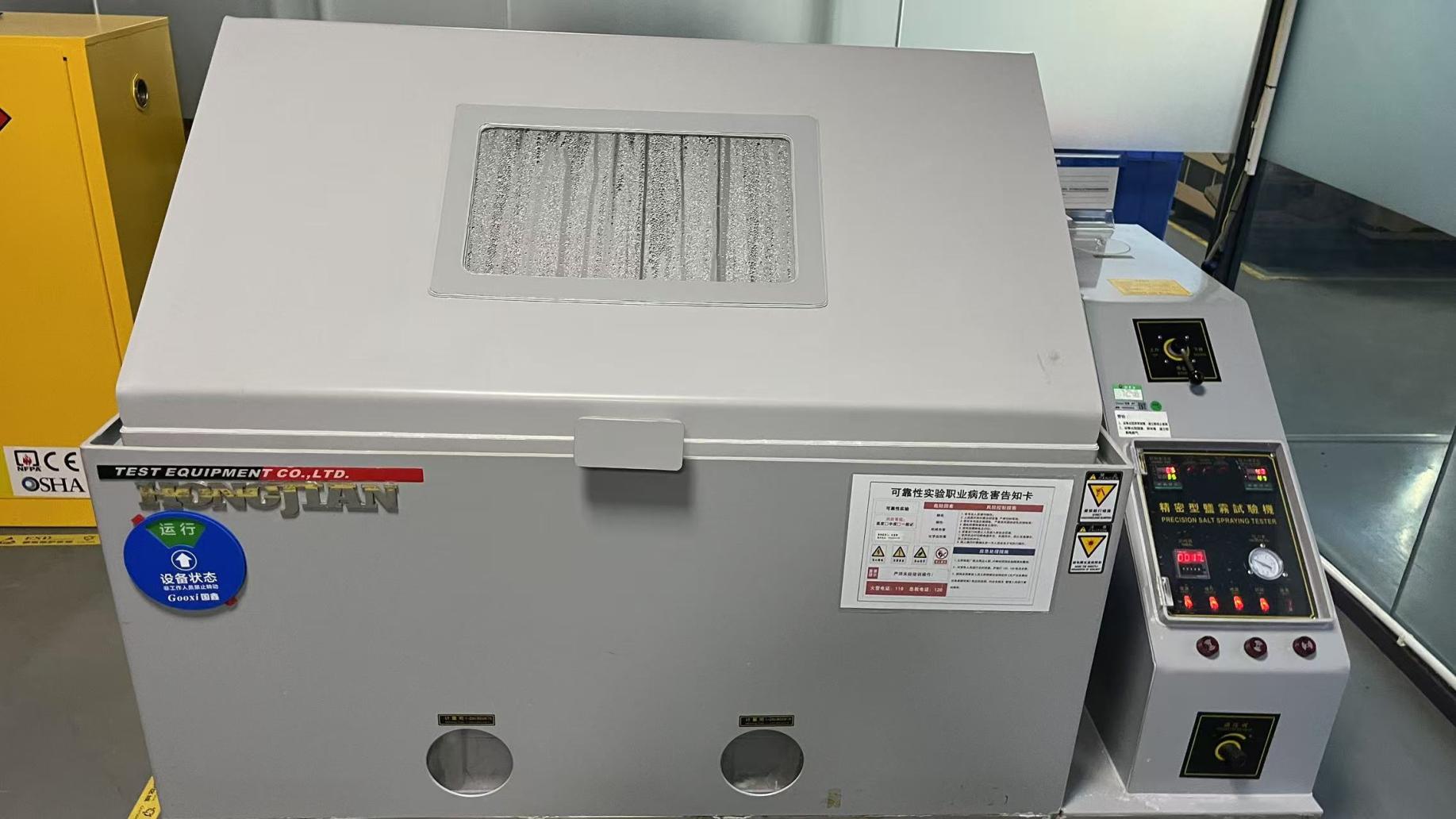
| Quality Assurance | 100% Quality Inspection Before Shipment |
| Product Inspection Method | Incoming Material Inspection (IQC), In-Process Inspection (IPQC), Functional Testing, Burn-in Test, Final Quality Control (FQC), Outgoing Quality Inspection (OQC) |
| Quality Control Staff | 42 Certified QC Professionals |
| Business Type | Manufacturer & Exporter (OEM/ODM Service) |
| Main Markets | North America, Western Europe, Southeast Asia, Middle East, Australia |
| Supply Chain Partners | 1,150 Industry Partners |
| Main Customer Types | System Integrators, AI Solution Providers, Cloud Service Providers, Research Institutes, Universities, Enterprise Data Centers |
| R&D Capability | Independent Hardware Design, Firmware Development, Thermal Optimization, Custom AI Server Solutions |
| Customization Options | OEM, ODM, Logo Printing, BIOS Customization, Chassis Design, GPU/CPU/Memory/Storage Configuration |
| New Products Released Last Year | 68 Innovative Systems |
| R&D Engineers | 126 Dedicated Development Specialists |

Explore technical solutions to common issues related to deploying hardware-based data encryption, cryptographic workloads, and customized server integration.
Devixa leverages a multi-layered security architecture. At the foundational hardware layer, we integrate Trusted Platform Modules (TPM 2.0) directly onto our proprietary motherboards to verify boot integrity. For active data handling, we utilize processors that support advanced confidential computing environments (such as AMD® Secure Encrypted Virtualization-Secure Nested Paging and Intel® Software Guard Extensions). This creates hardware-isolated enclaves in memory, dynamically encrypting system states and keys to help prevent unauthorized host or operator access.
Historically, software-level encryption introduced latency penalties. However, Devixa's platforms utilize dedicated ASIC engines and cryptographic offloading cards to handle key operations. By routing tasks like symmetric key generation, TLS negotiations, and AES-256 storage array cycles through dedicated coprocessors, we keep CPU performance overhead to a minimal 1% to 3%, maintaining high data throughput for compute-intensive workloads.
Yes, we provide flexible BIOS and firmware customization options. For global markets, we support standards like FIPS 140-3, AES, and RSA. For projects requiring specific localized security profiles, our motherboards can adapt to regional algorithms such as SM2, SM3, and SM4, ensuring your infrastructure meets local regulatory compliance requirements.
Our high-performance AI servers route critical data through encrypted pathways. By leveraging secure PCIe links and hardware enclaves, our designs protect sensitive model weights and datasets during runtime processing. This limits data exposure to side-channel analysis or unauthorized extraction from physical hardware interfaces.
To prevent physical intrusion, our servers feature active chassis monitoring systems. Intrusion sensors detect when physical access panels are opened, triggering automatic logs and alert notifications. In high-security configurations, systems can be set to securely clear cryptographic keys from volatile registers if physical security is breached.
Our quality management program includes six inspection phases: IQC, IPQC, Functional Testing, Burn-in Testing, FQC, and OQC. We verify every electronic component, tracking each motherboard through our 18,600 m² factory. This helps protect the hardware against modifications or unauthorized components before it leaves our facility.