Devixa
Devixa
Devixa
Engineered for AI deep learning, high-density edge deployments, and enterprise-grade data storage.
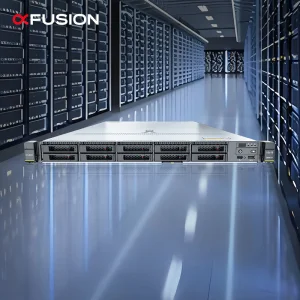
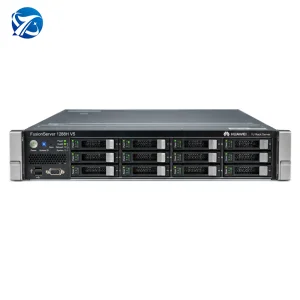
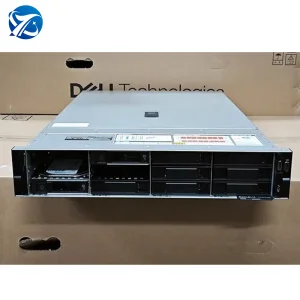
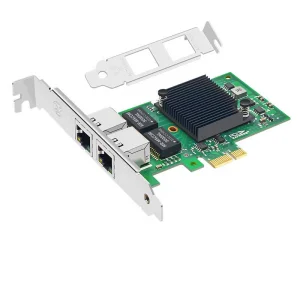
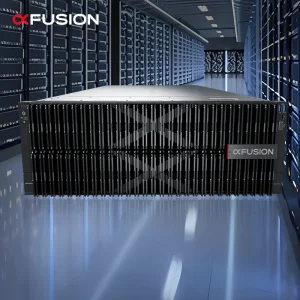
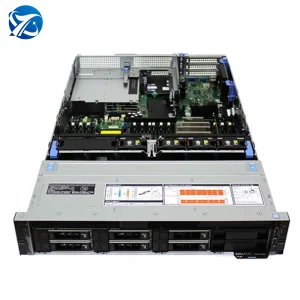
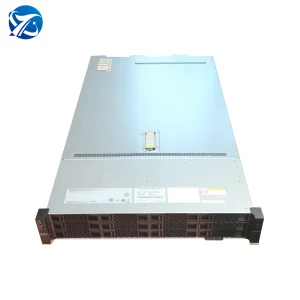
Devixa Technologies Inc. — Driving AI compute capabilities forward with professional hardware design, strict quality checkpoints, and a robust global ecosystem supply network.
Devixa Technologies Inc. is a globally recognized professional manufacturer specializing in AI GPU servers, high-performance computing (HPC) platforms, custom GPU workstations, and optimized AI infrastructure solutions. Built on a foundation of reliability, scalability, and thermal power efficiency, Devixa engineers top-tier computing architectures tailored specifically for large language model (LLM) training, real-time AI inference, cloud storage architectures, complex analytics, and government-grade enterprise data hubs.
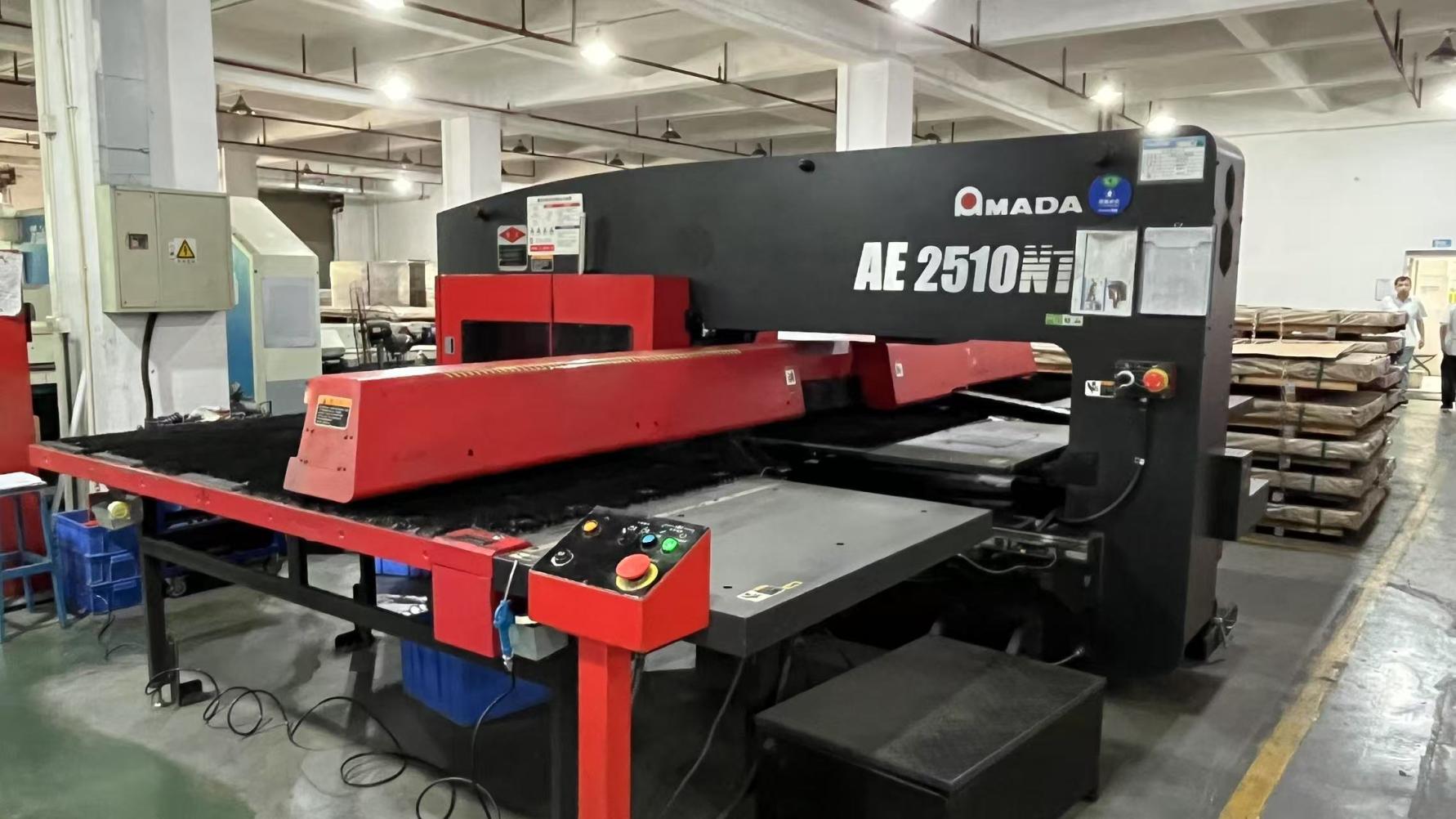
Operating out of our fully integrated 18,600 m² modern manufacturing facility, we provide hardware design, validation testing, server assembly, and global quality control. Partnering with top semiconductor innovators, our engineering matrix produces cutting-edge solutions compatible with modern GPU accelerators. Through our agile ODM and OEM processes, we enable tech firms and hyperscale providers to scale their operations securely.
| Operations Metric | Enterprise Details & Capabilities |
|---|---|
| Company Name / Brand | Devixa Technologies Inc. / Devixa (Website: https://www.devixagpu.com) |
| Registration Date & Industry Tenure | Registered on April 18, 2016. Over 10 years of professional hardware engineering. |
| Export Capability | 8 years of seamless global exporting experience. Main markets include North America, Western Europe, Southeast Asia, Middle East, and Australia. |
| R&D Capacity | 126 dedicated engineers, independent hardware design, customized BIOS/firmware development, thermal airflow simulation, and custom chassis design. |
| Quality Control Staff | 42 QA specialist inspectors executing comprehensive validation protocols. |
| Product Inspection Standard | 100% Quality Inspection before shipment: IQC (Incoming Material), IPQC (In-Process), full functional tests, dynamic burn-in testing, FQC (Final Quality Control), and OQC (Outgoing Quality Control). |
| Annual Innovation Output | Released 68 new hardware/component products last year. |
| Supply Chain Integrity | 1,150 certified system component suppliers ensuring production stability. |
Why localized production in China provides global tech enterprises with unmatched speed, resource availability, and optimization advantages.
The rapid growth of the AI economy and hyperscale clouds demands extreme speed-to-market for computing systems. Factories in China, particularly within key technology hubs like Shenzhen and the Pearl River Delta, offer a highly integrated ecosystem that goes far beyond basic component assembly.
From raw sheet-metal fabrication and multi-layer PCB layout routing to high-efficiency power supplies and server fans, every layer of the hardware stack is located within a 50-mile logistics radius. This ensures prototype changes can be resolved in hours rather than weeks.
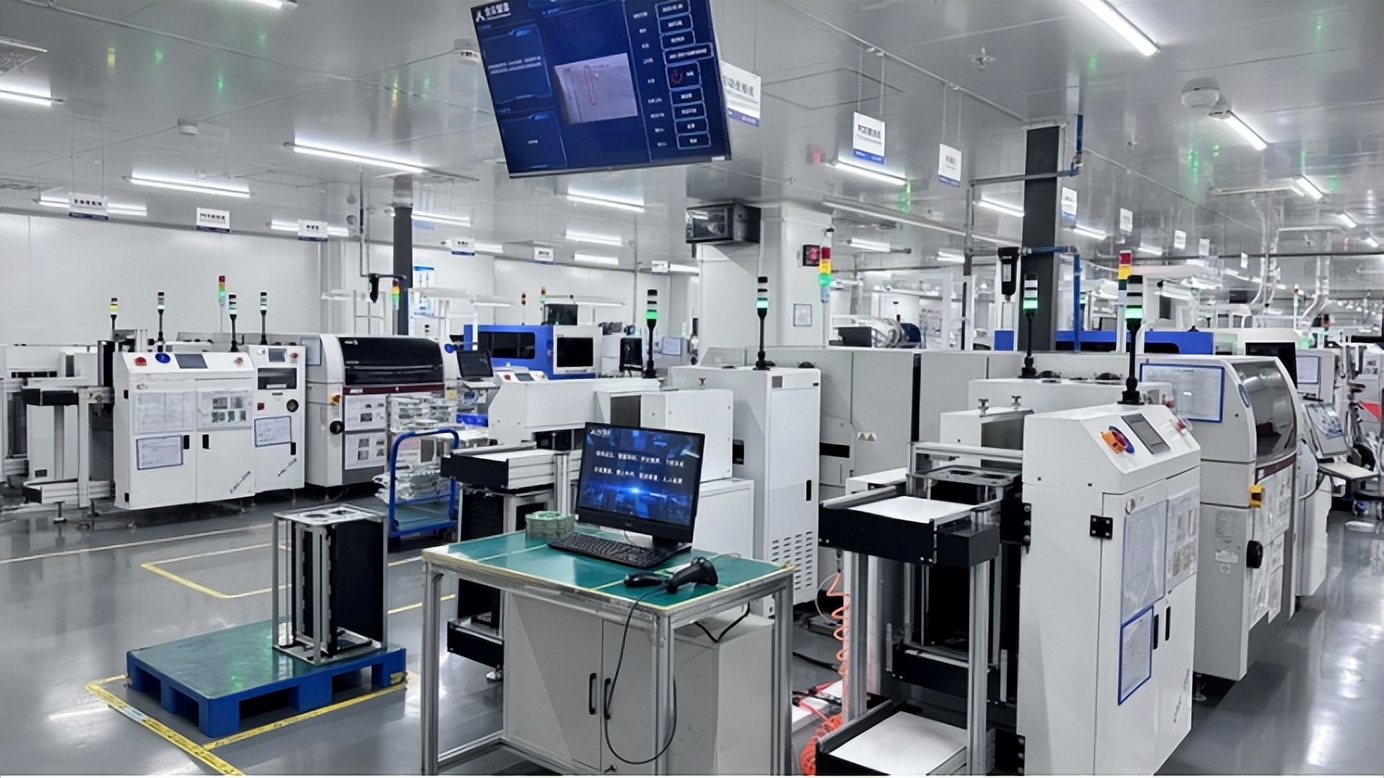
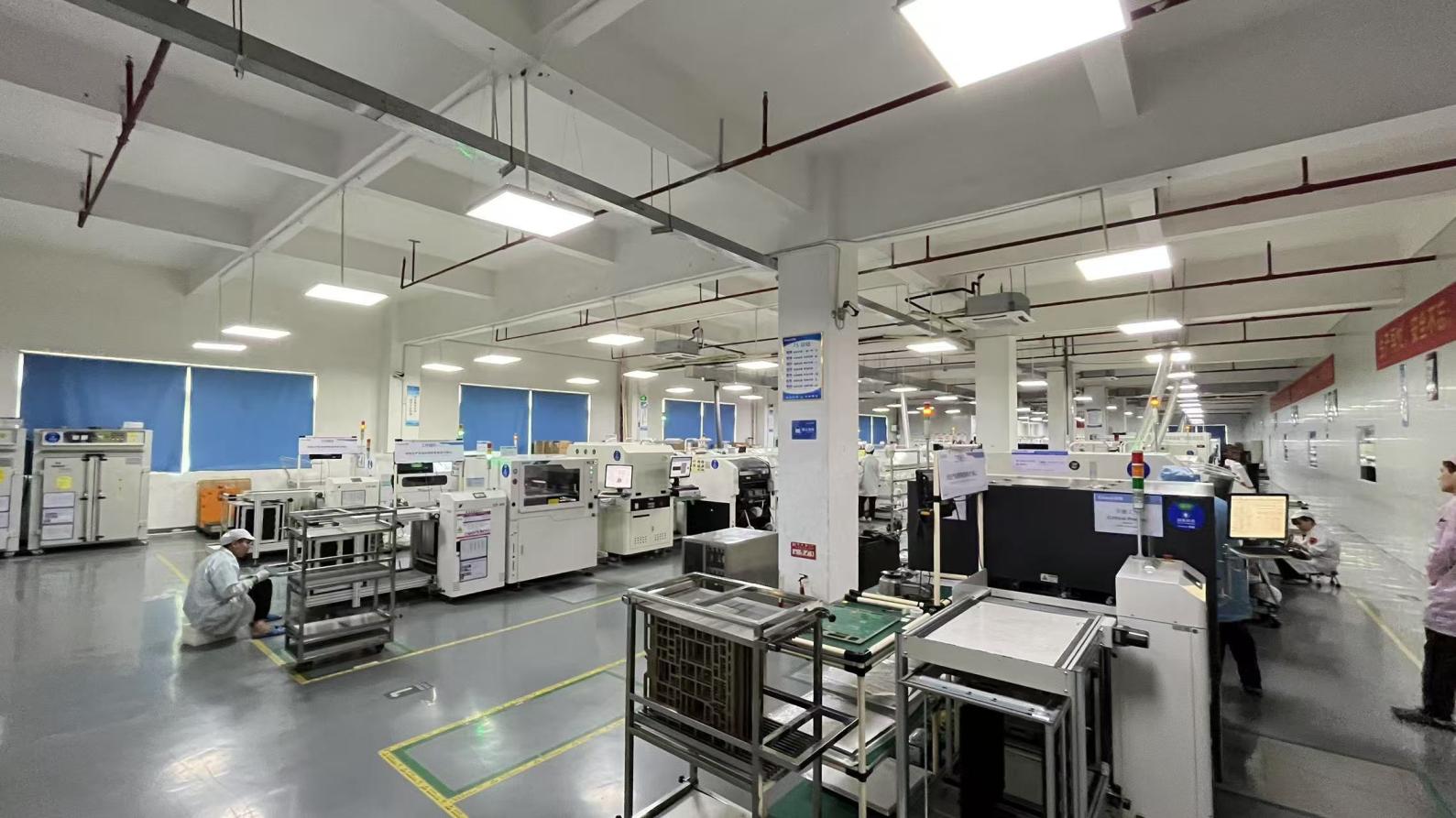
With vast infrastructure like Devixa’s 18,600 m² factory, operations can quickly scale production lines. Advanced automation, multi-lane surface mount technology (SMT) machines, and dedicated robotic assembly lines enable the prompt delivery of thousands of cloud server nodes.
Advanced component consolidation, efficient raw material sourcing, and localized sheet-metal stamping reduce tooling costs. This efficiency translates directly into lower Total Cost of Ownership (TCO) for global enterprise datacenters.
Understanding the industry's shift toward high-density power envelopes, advanced thermal dissipation, and custom server interconnects.
Modern data centers face significant power and thermal challenges. With single GPU chip packages demanding up to 700W–1000W and multi-processor CPUs pushing past 350W, standard air-cooled chassis are reaching their physical limitations.
Modern rack units must support PCIe Gen 5.0 and direct GPU-to-GPU interconnects (like NVLink or Infinity Fabric) to handle large models like DeepSeek. Minimizing latency between processing cores and memory arrays is critical for modern AI workloads.
The industry is transitioning toward hybrid direct-to-chip (D2C) liquid cooling plates and closed-loop liquid-to-air heat exchangers. This transition allows data centers to manage higher thermal design power (TDP) while lowering Power Usage Effectiveness (PUE) ratios.
Using technologies like Compute Express Link (CXL), servers can dynamically share large pools of memory (DRAM or storage-class memory) across multiple processors. This approach reduces idle memory overhead and improves utilization rates across cluster nodes.
How high-performance servers are deployed to power vertical enterprise operations globally.
Deploying high-density server configurations with massive system memory allows research institutes to train neural networks. High-throughput PCIe channels ensure that large datasets move efficiently from storage arrays to compute units.
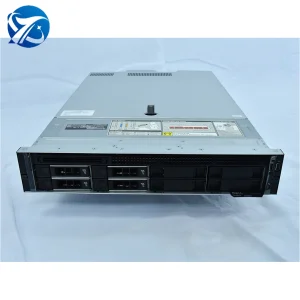
Deploying 1U and 2U rack servers in local edge environments helps process IoT data streams locally. This reduces reliance on main data centers, lowering latency for critical local operations.
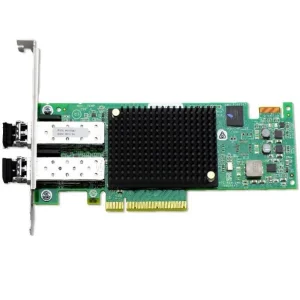
For security-focused sectors like finance and healthcare, multi-bay storage arrays combined with high-cache RAID controllers provide secure data storage. This setup protects sensitive operational data while keeping it accessible.
Designed for enterprise system integrators seeking scalable, turnkey cloud hardware deployment models.
Pre-integrated rack solutions fitted with high-efficiency power supplies and optimized network cards enable rapid datacenter expansions. These standard units allow operators to scale capacity without complex design overhead.
For complex tasks like genomic sequencing or climate modeling, multi-socket server nodes deliver the processing power required to run high-throughput parallel compute calculations efficiently.
By utilizing GPU virtualization, companies can host thousands of remote engineering workstations from centralized data centers. This keeps corporate intellectual property secure within the data facility.
A professional roadmap for CTOs, IT Directors, and procurement managers evaluating server hardware partners.
Purchasing high-performance computing hardware involves analyzing more than just upfront system costs. Procurement managers should evaluate key performance and manufacturing criteria:
Key technical answers to address queries regarding system configuration, manufacturing quality, and deployment optimizations.
Expand your enterprise computing capacity with our reliable, high-density server configurations.
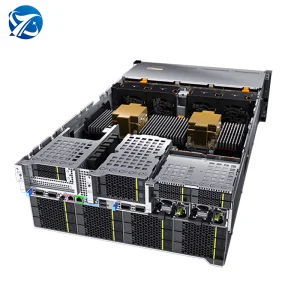
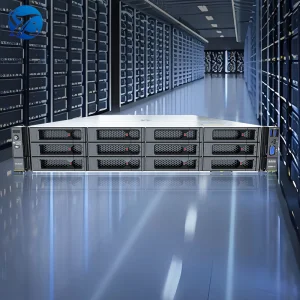
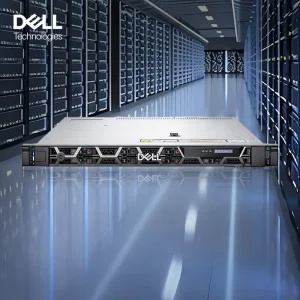
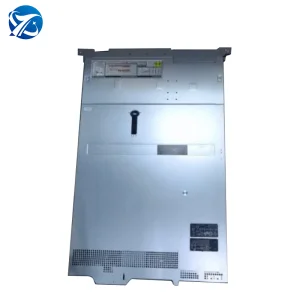
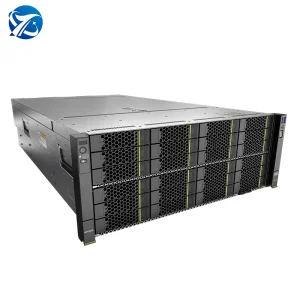
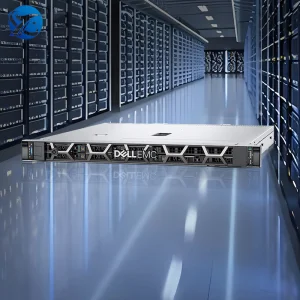
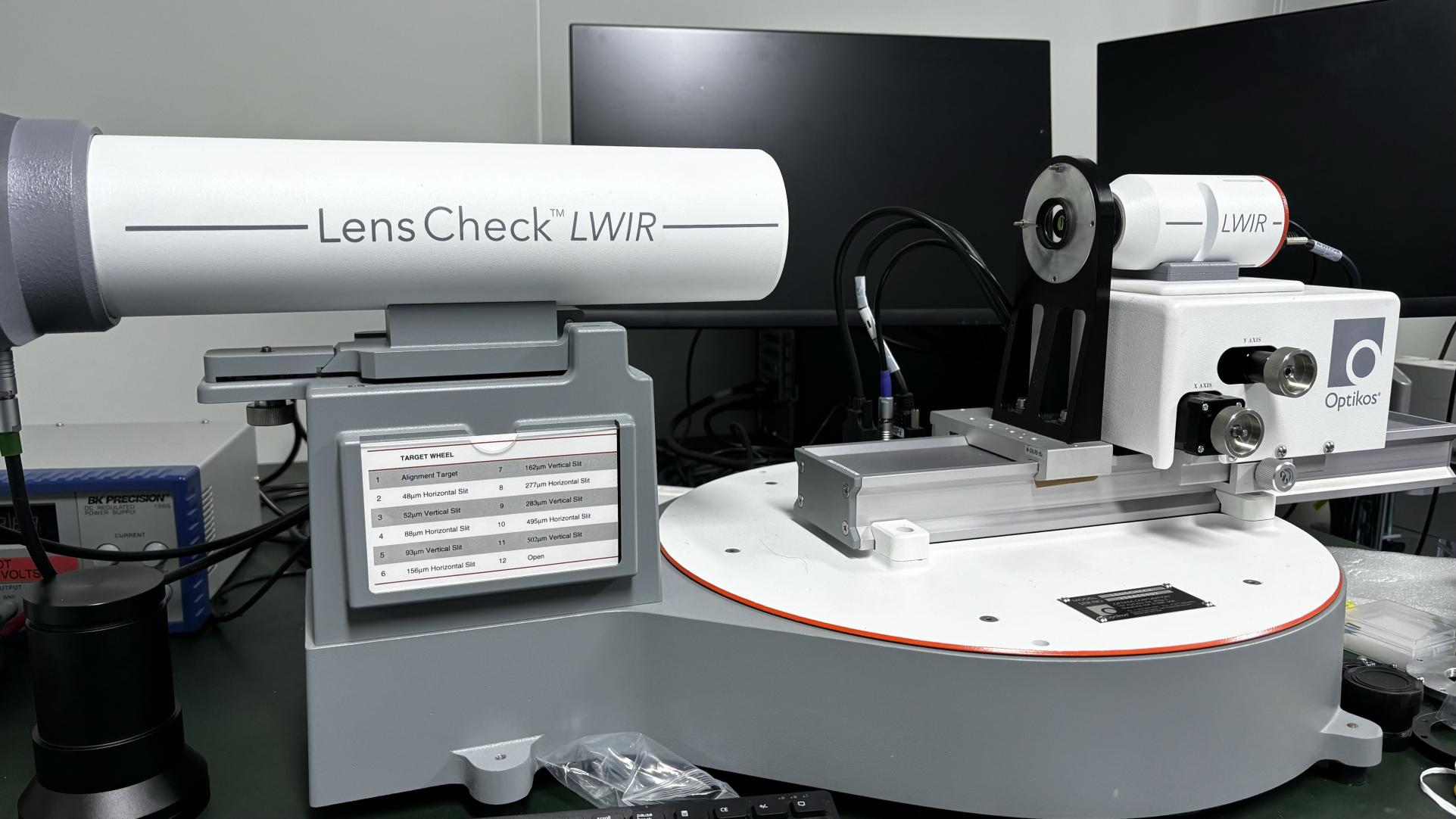
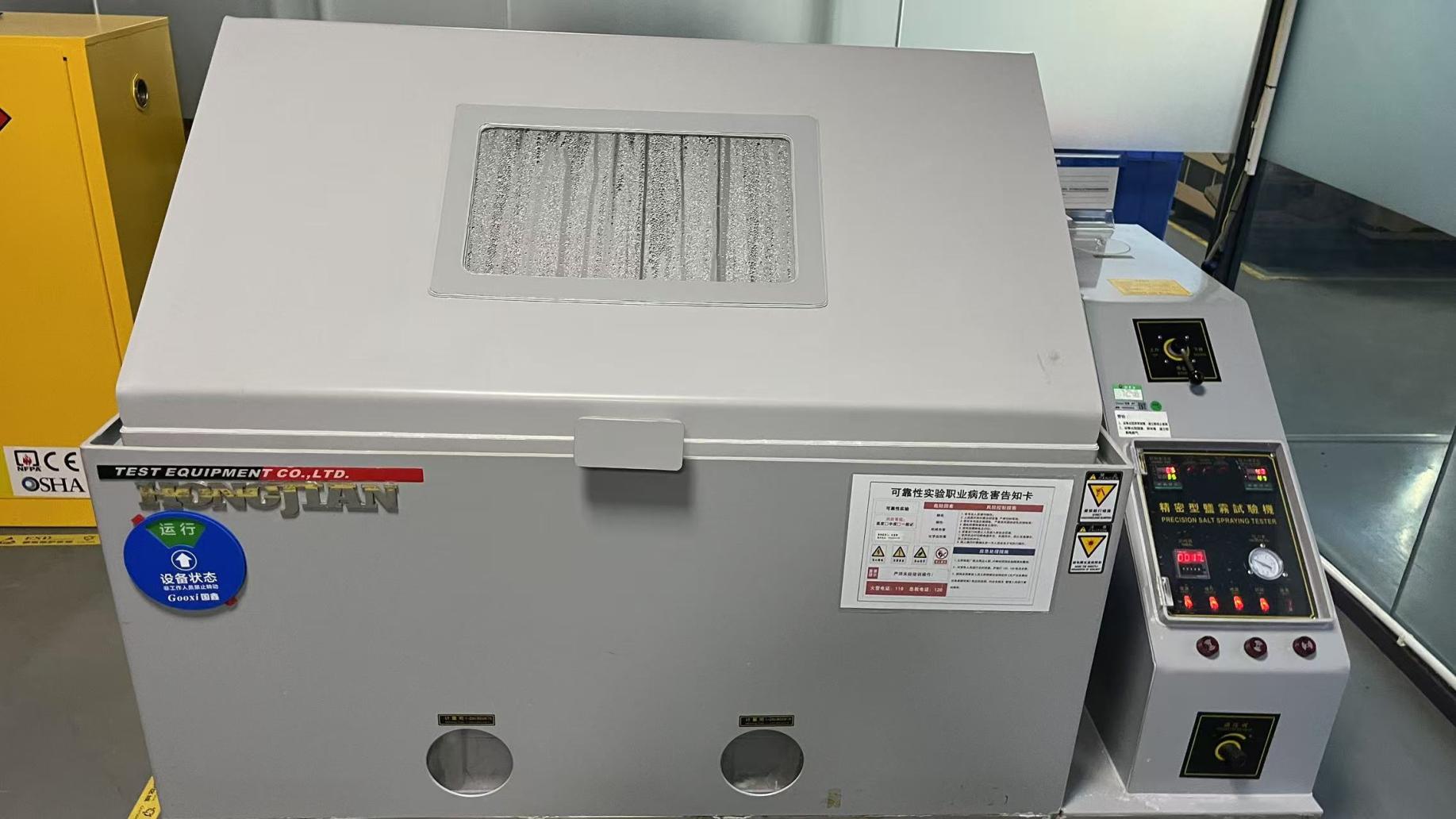
Take a virtual tour of Devixa Technologies' clean room assembly lines, SMT placement machines, and thermal test bays.