Devixa
Devixa
Devixa
High-performance computational modules configured specifically for zero-latency, high-density edge deployments.
Decentralized workloads require ruggedized, compute-dense nodes capable of running deep neural networks locally.
In modern computer architecture, the centralization of cloud infrastructure faces fundamental limitations: high latency, massive bandwidth costs, and regulatory vulnerabilities. Edge computing devices serve as the local execution nodes that process data at its point of generation. By integrating high-performance processors—such as Intel® Xeon® Scalable CPUs, NVIDIA Tensor Core GPUs, and custom ASIC arrays—directly within local network hubs, enterprises achieve instantaneous analytics loop feedback loops.
Unlike centralized hyperscale datacenters, edge computing installations run in environments characterized by thermal instability, ambient dust, and limited power availability. This shifts the engineering focus from pure gigahertz scaling to performance-per-watt optimization, system-level efficiency, and rugged physical form factors. Industry leaders now seek manufacturers capable of packaging carrier-grade compute density into small, localized footprints.
Critical engineering metrics procurement directors must check prior to OEM/ODM contract signing.
Evaluating fanless designs, heatpipe efficiency, and dynamic CFM optimization in sealed chassis designed for dust-heavy environments.
Maximizing PCIe Gen5/Gen6 pathways to allow simultaneous integration of NVMe storage controllers, high-speed NICs, and GPU cards.
Ensuring local hardware safety with TPM 2.0 chips, secure boot protocols, and encrypted memory storage interfaces at the physical layer.
Full Redfish API and IPMI 2.0 compatibility for remote out-of-band monitoring of headless edge computing clusters.
The convergence of deep neural architectures and rugged hardware execution platforms.
The processing requirements of edge nodes are shifting from generic scalar computation (CPUs) to massively parallel tensor calculations (GPUs & NPUs). The future roadmap is defined by heterogenous integration. Modern SOCs and board configurations blend high-efficiency cores for constant system overhead management with high-performance clusters for workload bursts. Device nodes now leverage dynamic resource distribution pipelines to switch power envelopes in real-time, executing tasks like DeepSeek inference, real-time object tracking, and complex mathematical modeling directly at the gateway layer without round-tripping to primary cloud resources.
As system throughput requirements expand, standard bus lines create execution bottlenecks. High-speed, high-density edge deployments are rapidly adopting PCIe Gen 5/Gen 6 and DDR5 interfaces. With data transfers scaling beyond 32 GT/s per lane, signal integrity over small trace routes is critical. High-bandwidth memory interfaces allow processors to maintain active weights for multi-layered artificial intelligence networks locally, bypassing storage fetching latency. Integrated multi-socket systems use optimized link topologies to ensure unified cache structures, ensuring parallel operations across multiple core networks.
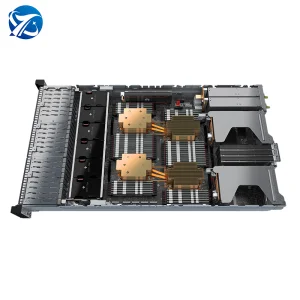
Traditional server environments utilize heavily climate-controlled chambers to maintain stable internal temperatures. Edge solutions deploy in unmanaged settings, demanding active heat pipe networks, phase-change thermal conductive pastes, and advanced fin geometries. By utilizing aerospace-grade aluminum and specialized powder coatings, manufacturers protect vital electronic circuits from moisture, galvanic corrosion, and fine particulate matter, extending system lifetime and reducing maintenance schedules in remote installations.
Deployable system designs matching specific vertical regulatory and technical operational mandates.
Processing dozens of ultra-high-definition visual streams simultaneously requires powerful GPU acceleration near the source. Edge AI servers run localized convolutional networks to catalog metrics, detect traffic patterns, and manage safety measures dynamically without backhauling video data.
Smart industrial plants leverage real-time feedback loops. Low-latency edge gateways aggregate data from vibration monitors, acoustic sensors, and pressure valves, running predictive algorithms that prevent machine breakdowns before they occur.
Micro-edge servers deployed inside retail spaces orchestrate localized inventory scanning, handle visual self-checkout monitoring, and maintain strict offline operations if primary web uplinks fail.
A premier manufacturer and exporter specializing in specialized high-performance AI GPU configurations and edge computing hardware.
Devixa Technologies Inc. (Brand: Devixa, Website: https://www.devixagpu.com) is a professional manufacturer specializing in AI GPU servers, high-performance computing (HPC) systems, GPU workstations, and customized AI infrastructure solutions. Since its establishment, Devixa has focused on delivering reliable, scalable, and energy-efficient computing platforms for artificial intelligence training, inference, cloud computing, big data analytics, scientific research, and enterprise data center applications.
With a modern manufacturing facility covering 18,600 m², Devixa integrates hardware design, system integration, testing, and quality management under one roof. Our experienced engineering team continuously develops innovative GPU server platforms compatible with NVIDIA® and AMD® accelerator technologies, providing customers with flexible configurations tailored to different AI workloads. Supported by a strong R&D team and a mature global supply chain, Devixa serves OEM, ODM, and private label customers worldwide.
| Operational Parameters | Technical Detail Specifications |
|---|---|
| Company Registration Date | April 18, 2016 |
| Industry Experience | 10 Years (Exporting for 8 Years) |
| Quality Control Staff | 42 Quality Inspectors |
| Business Model | Manufacturer & Exporter (OEM/ODM Service) |
| Main Markets Served | North America, Western Europe, Southeast Asia, Middle East, Australia |
| Core R&D Capabilities | Independent Hardware Design, Firmware/BIOS Development, Thermal Management, Custom AI Servers |
| Customization Options | OEM/ODM, custom chassis fabrication, logo printing, memory configuration, BIOS customization |
| Quality Inspection Protocols | Incoming Material Inspection (IQC), In-Process Inspection (IPQC), Functional Testing, Burn-in Test, Final Quality Control (FQC), Outgoing Quality Inspection (OQC) |
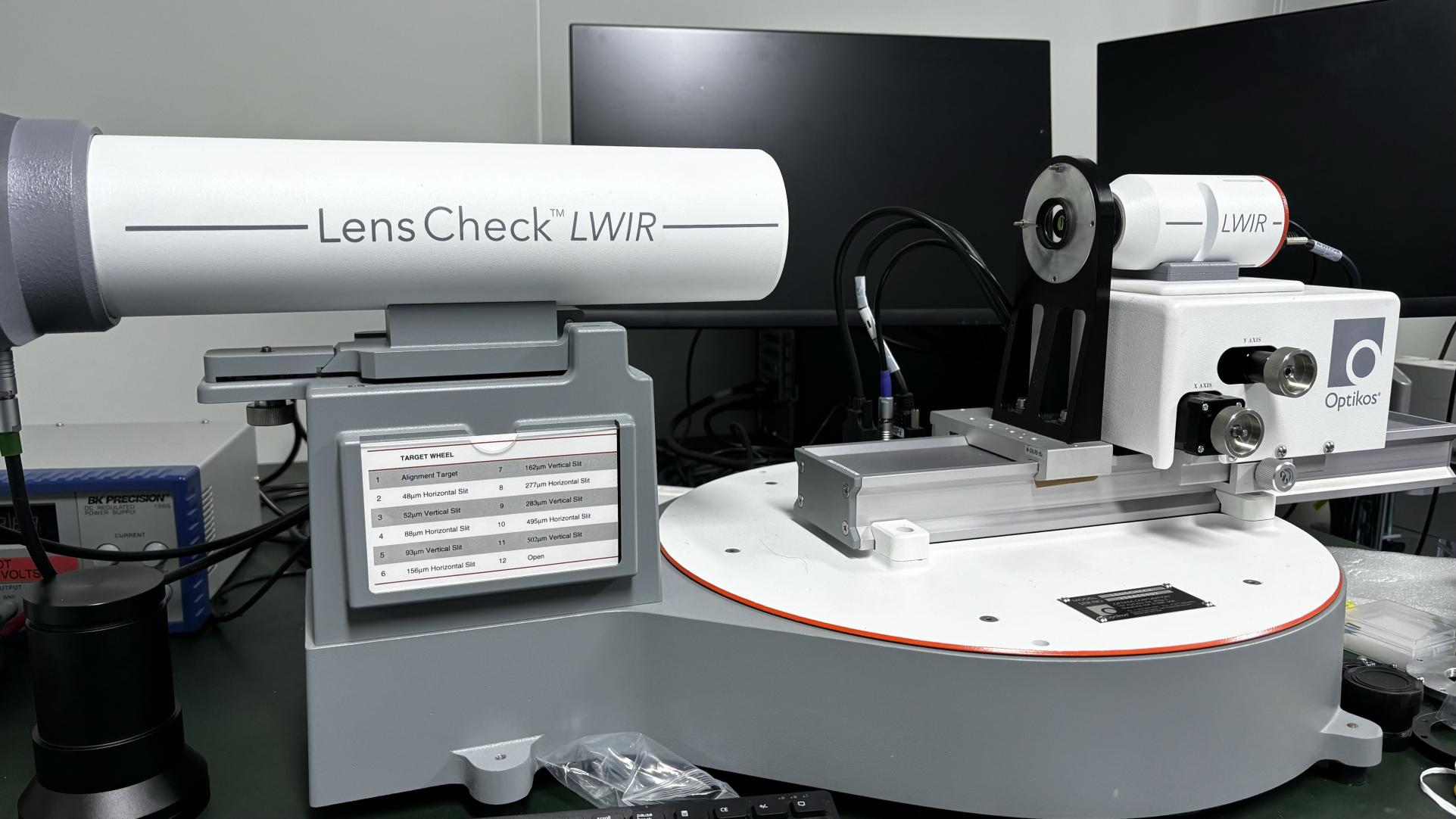
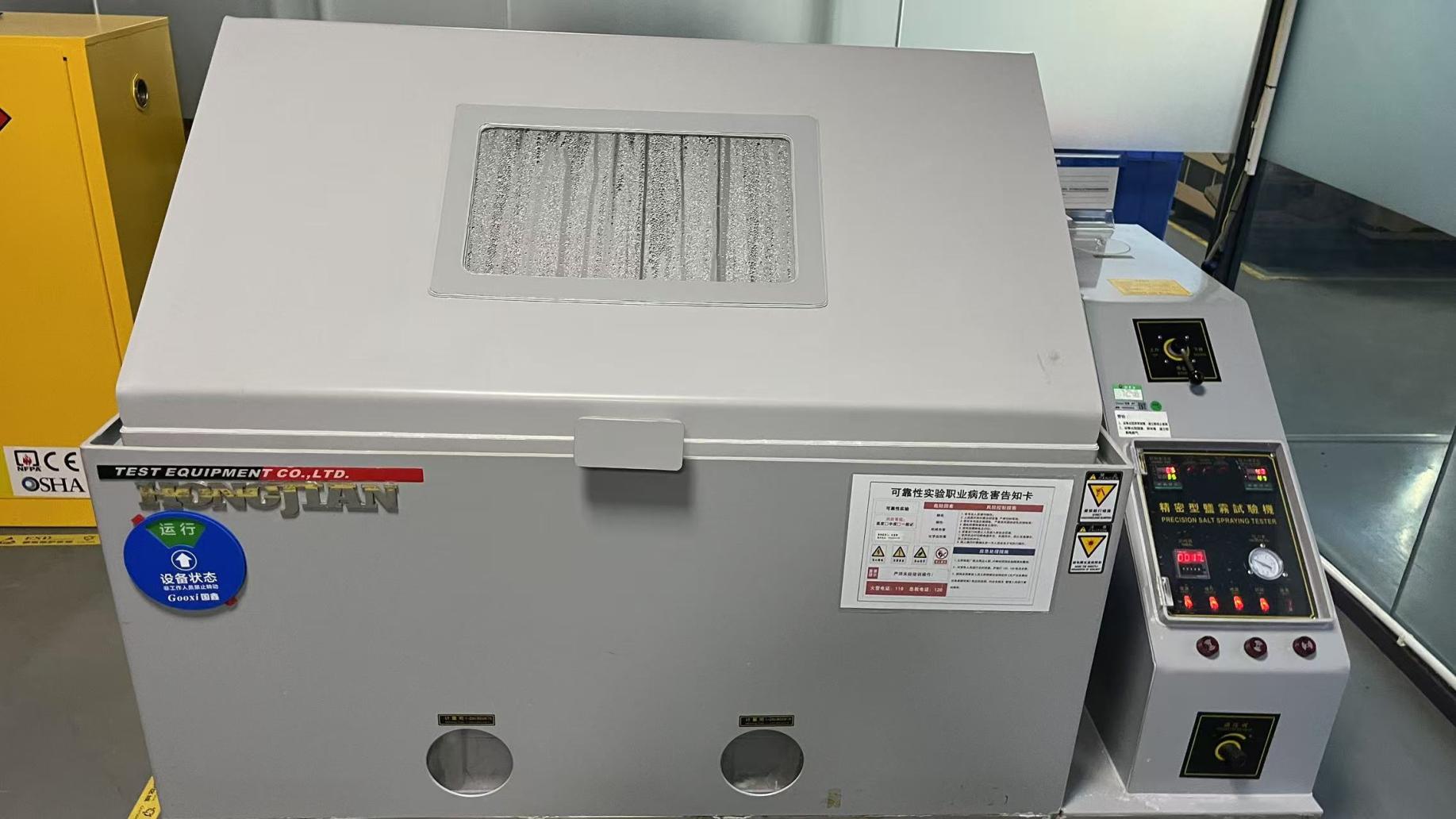
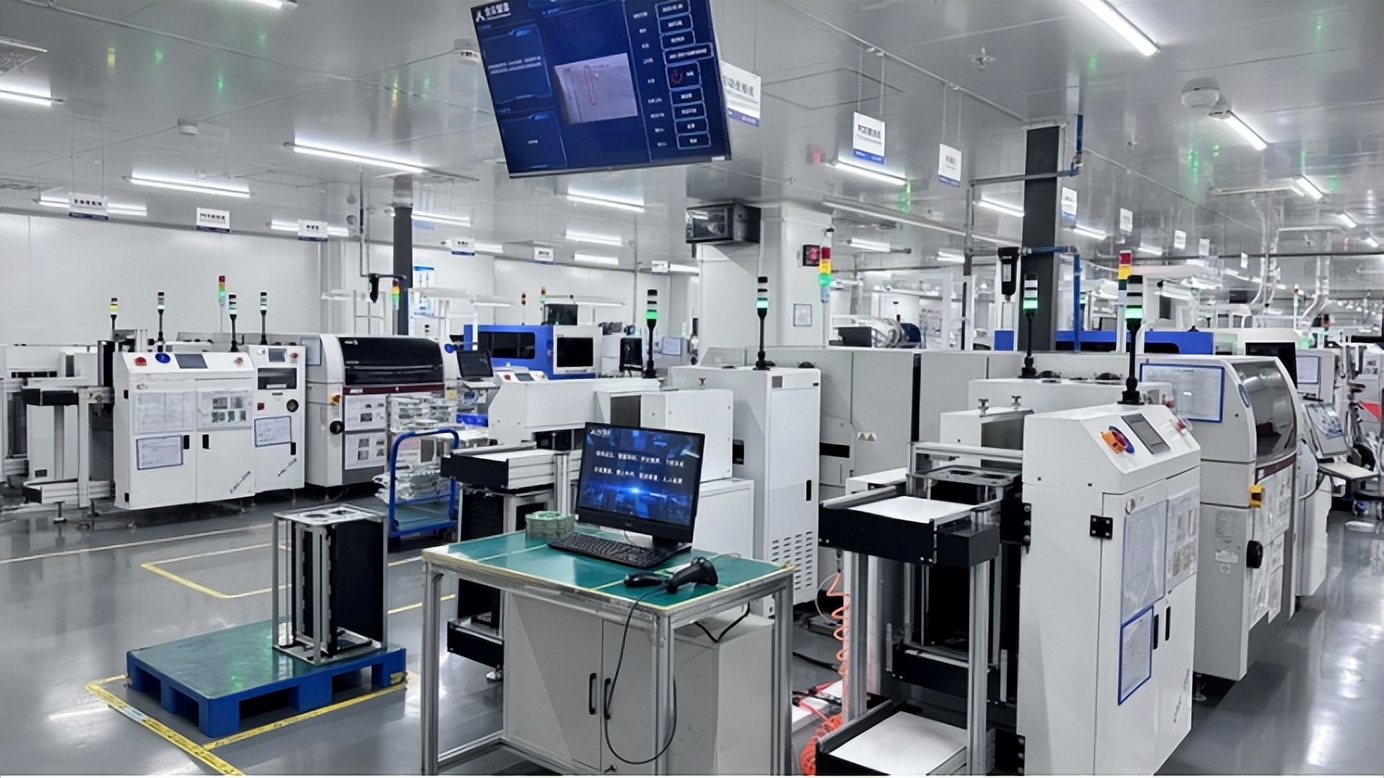
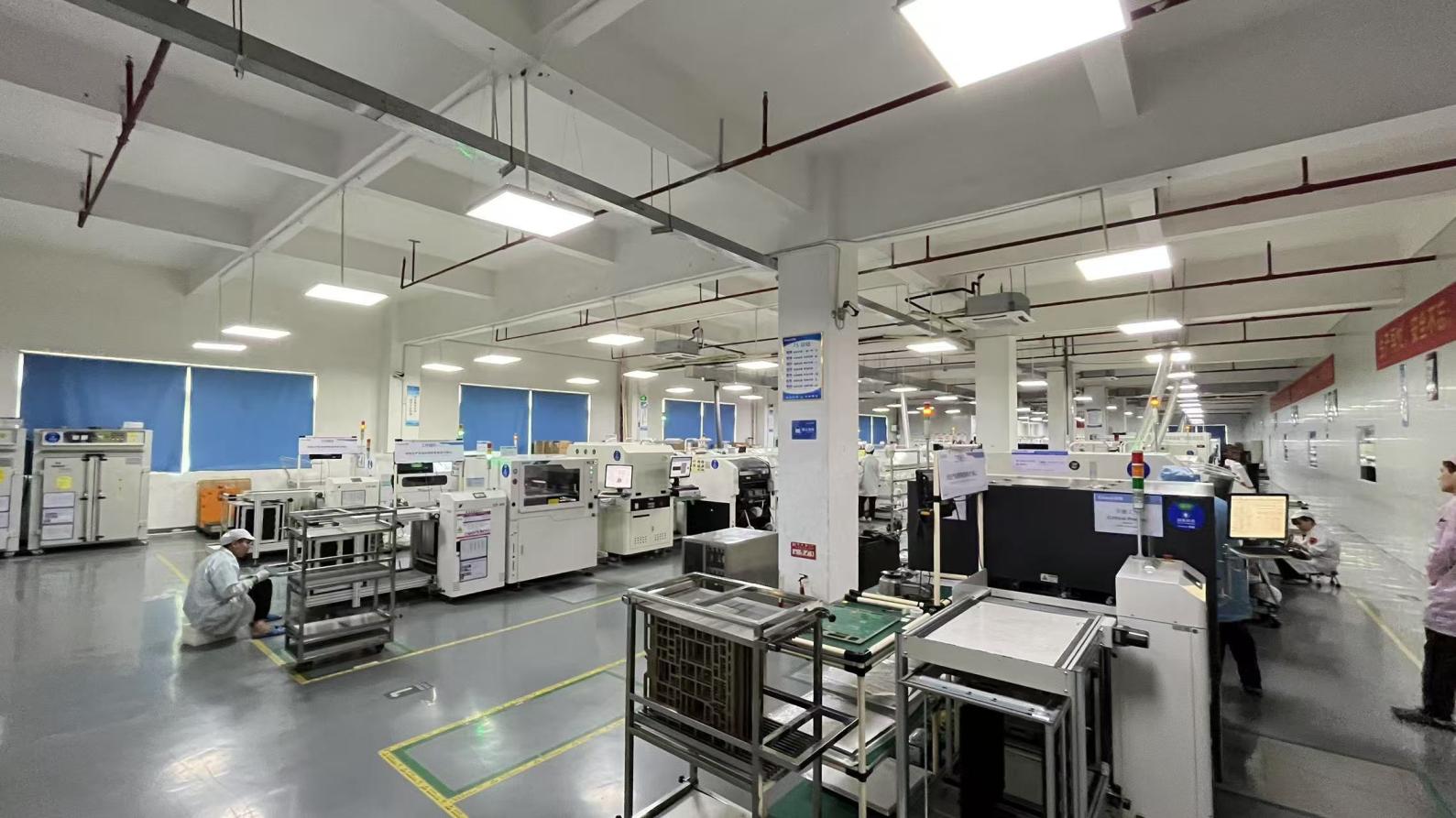
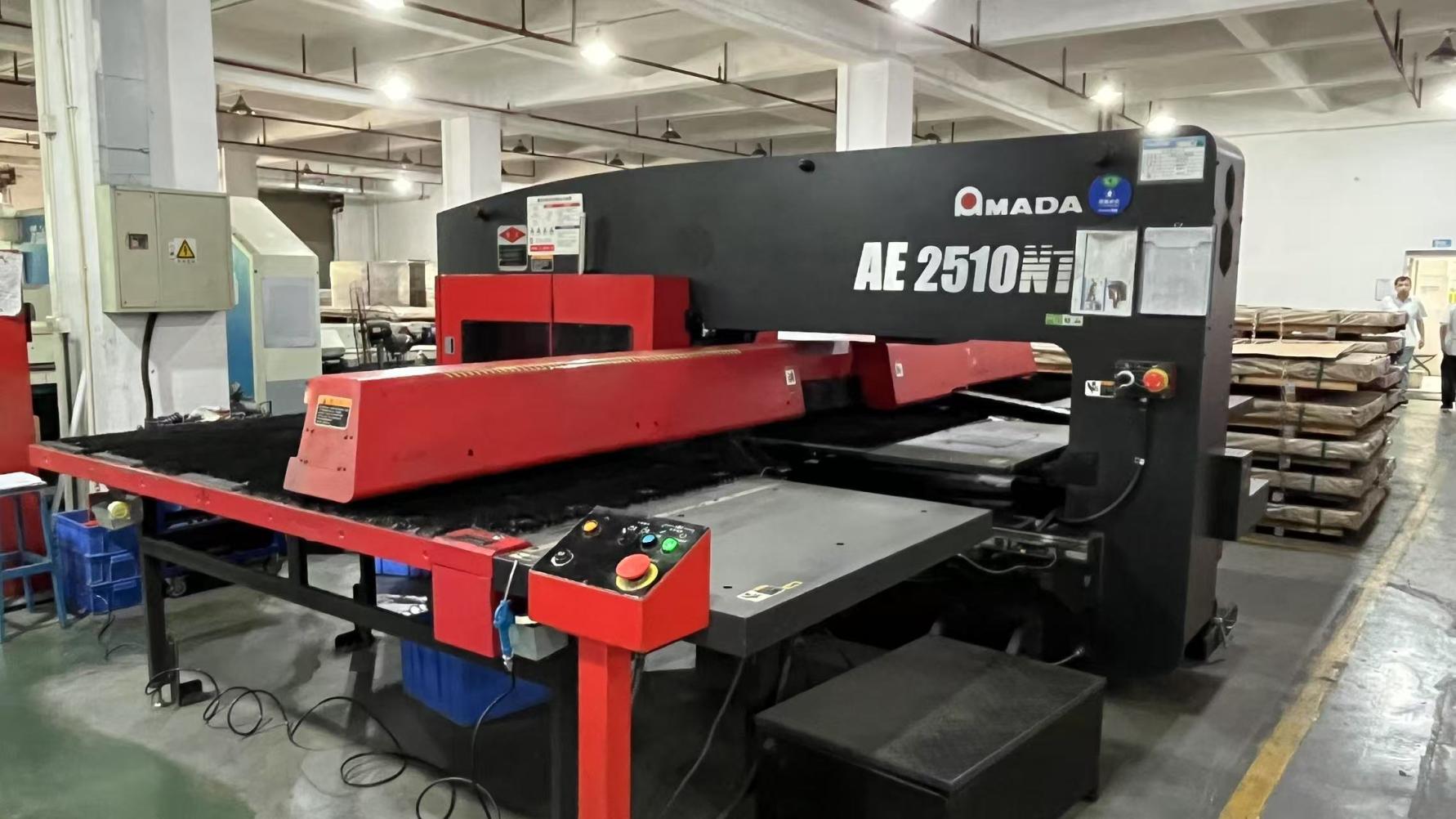
Leveraging localized ecosystems to deliver high-performance hardware at competitive price points.
The concentration of hardware fabrication ecosystems in East Asia grants manufacturing facilities substantial structural benefits. A mature network of passive components manufacturers, sheet metal stamping shops, power supply units (PSU) vendors, and PCB fabricators enables agile development cycles. Devixa's deep integration within these local networks reduces production startup latency and bill-of-materials (BOM) overhead, allowing high-performance edge hardware to scale globally at optimized price-to-performance ratios.
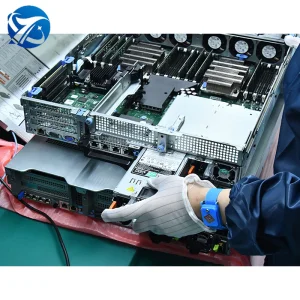
Furthermore, China's Factory 4.0 standard centers on smart manufacturing lines. Computer-aided automation on SMT lines guarantees structural precision, while automatic optical inspection (AOI) systems detect microscopic solder defects on complex multi-layer motherboards. By combining component access with automatic assembly lines, Devixa keeps product quality high while handling large enterprise orders with short lead times.
Ensuring hardware is ready for worldwide deployment with cross-border certifications and reliable SLA terms.
Deploying edge nodes in multi-site international architectures requires strict adherence to regional safety and electromagnetic interference guidelines. Global enterprises require equipment certified under CE, FCC, RoHS, and UL schemes to prevent regulatory delays. Devixa ensures every export batch conforms to safety guidelines and carries necessary labels for smooth entry into North American, European, and Australian ports.
Equally critical is field maintenance. Edge installations lack the hands-on expertise of centralized cloud engineering hubs. Devixa structures service agreements with regional integrators, ensuring prompt access to replacement parts, custom BIOS adjustments, and hardware diagnostics to maximize operational uptime.
Key metrics for technology buyers, system integrators, and network administrators.
When selecting your edge computing partner, evaluate vendors on a balance of technical capability, customization options, and long-term support guarantees. Avoid focusing only on CPU frequencies; prioritize systems with wide-temperature operational tolerances, customizable out-of-band management firmware, and robust power supply options (such as redundant AC/DC configurations).
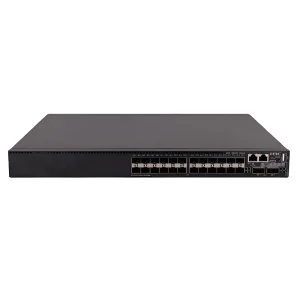
Furthermore, ensure the supplier's product portfolio covers both compute-dense accelerators (like GPU/NPU nodes) and high-speed network switches (like H3C or Mellanox chips) to streamline your localized hardware integration.
Technical clarifications concerning industrial edge architectures, customization capabilities, and deployment logistics.
Edge servers are built with shorter physical depths (often under 20 inches) to fit in telecommunication racks, feature wider temperature operating ranges, and include rugged dust-filtering systems. They also feature specialized Out-of-Band (OOB) remote interfaces since onsite maintenance engineers are rarely present.
We apply advanced CFD (Computational Fluid Dynamics) modeling to design our chassis. By pairing high-CFM pulse-width modulated (PWM) fan configurations with targeted internal ducting, we keep key components like NVIDIA Tensor Core accelerators and high-performance CPUs running cool and stable, avoiding thermal throttling even in demanding ambient temperatures.
Yes, we provide full firmware-level customization. We customize BIOS settings, enable Hardware Root of Trust elements, modify asset tags, and deploy tailored IPMI configurations so new nodes integrate quickly into our clients' existing monitoring and management platforms.
Standard custom configurations typically ship within 4 to 6 weeks, depending on component availability. Our extensive network of over 1,150 supply chain partners helps us maintain short manufacturing turnarounds, even when handling custom sheet metal designs and complex component integrations.
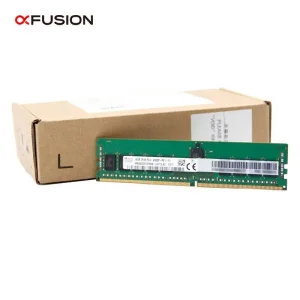
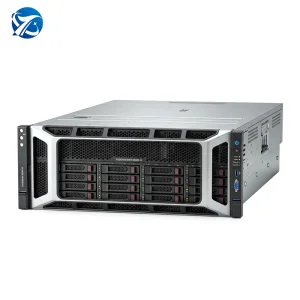
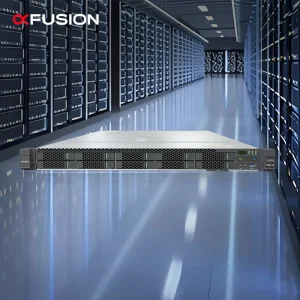
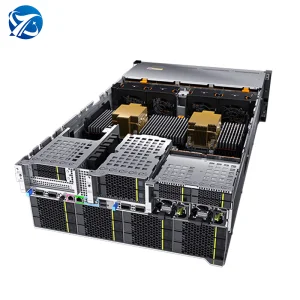
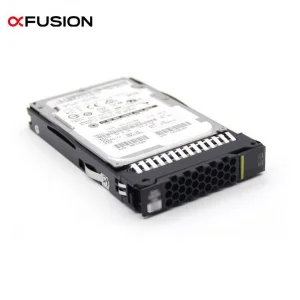
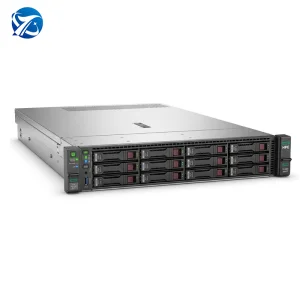
Supplemental high-density storage arrays, memory modules, and multi-socket computing nodes for enterprise infrastructure expansion.