Devixa
Devixa
Devixa
As computational workloads for LLM (Large Language Model) training, edge computing, and neural inference skyrocket, enterprise buyers are shifting from traditional brick-and-mortar infrastructure to prefabricated container solutions.
Traditional data center construction projects frequently face permit delays, civil engineering bottlenecks, and unpredictable on-site installation processes, often spanning 18 to 24 months. Modular container solutions compress deployment timelines by up to 70%, delivering pre-wired, pre-tested plug-and-play environments directly to fields, industrial zones, or campuses within weeks.
Modern high-density computing loads, especially those powered by NVIDIA H100/H200/B200 and AMD Instinct GPUs, require massive power levels—frequently exceeding 30kW per rack. Containerized data center designs offer custom-engineered containment zones, combining advanced direct-to-chip liquid cooling loops and localized in-row Chilled Water or DX cooling systems to prevent thermal throttling.
Customized architectural layouts configured by Devixa Technologies Inc. adapt to diverse global geographic environments and operational demands.
Optimized container configurations engineered specifically to group clusters of hundreds of GPU servers. Includes advanced busbar power systems, isolated hot aisles, and scalable overhead fiber ducting to handle hyper-fast networking backbones like InfiniBand or RoCE.
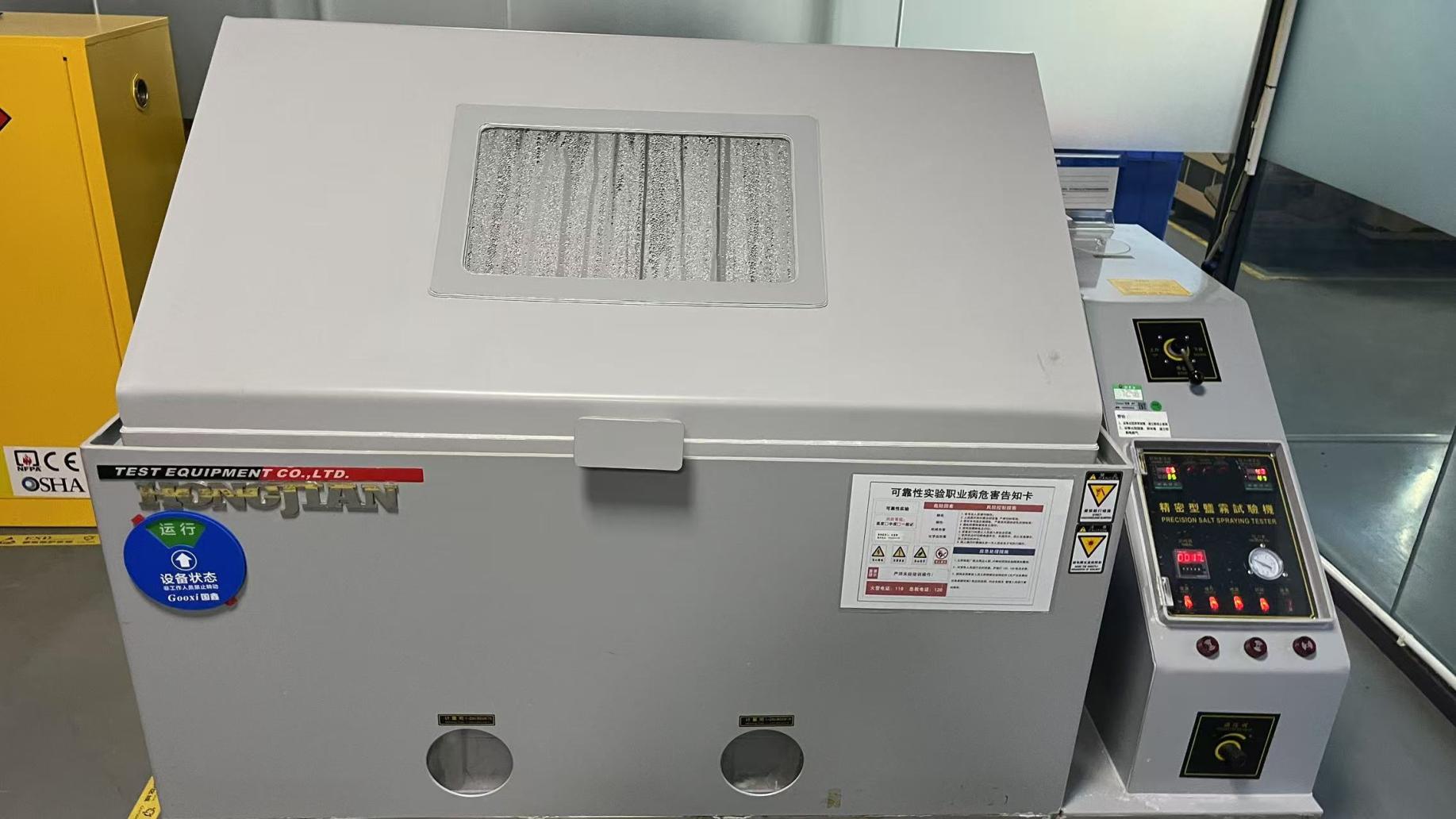
Designed for remote exploration sectors (oil & gas fields, mining sites) and maritime operations. The structural frames are reinforced with specialized anti-corrosion, IP65-grade waterproofing, and dual-redundant HVAC units to maintain continuous uptime in extreme climates (-40°C to +55°C).
Self-contained backup topologies featuring integrated diesel generation sets, smart automatic transfer switches (ATS), and fire suppression arrays. Highly suitable for municipal infrastructure, financial institutions, and telecommunication carriers seeking resilience.
Devixa Technologies Inc. is a professional manufacturer specializing in AI GPU servers, high-performance computing (HPC) systems, GPU workstations, and customized AI infrastructure solutions.
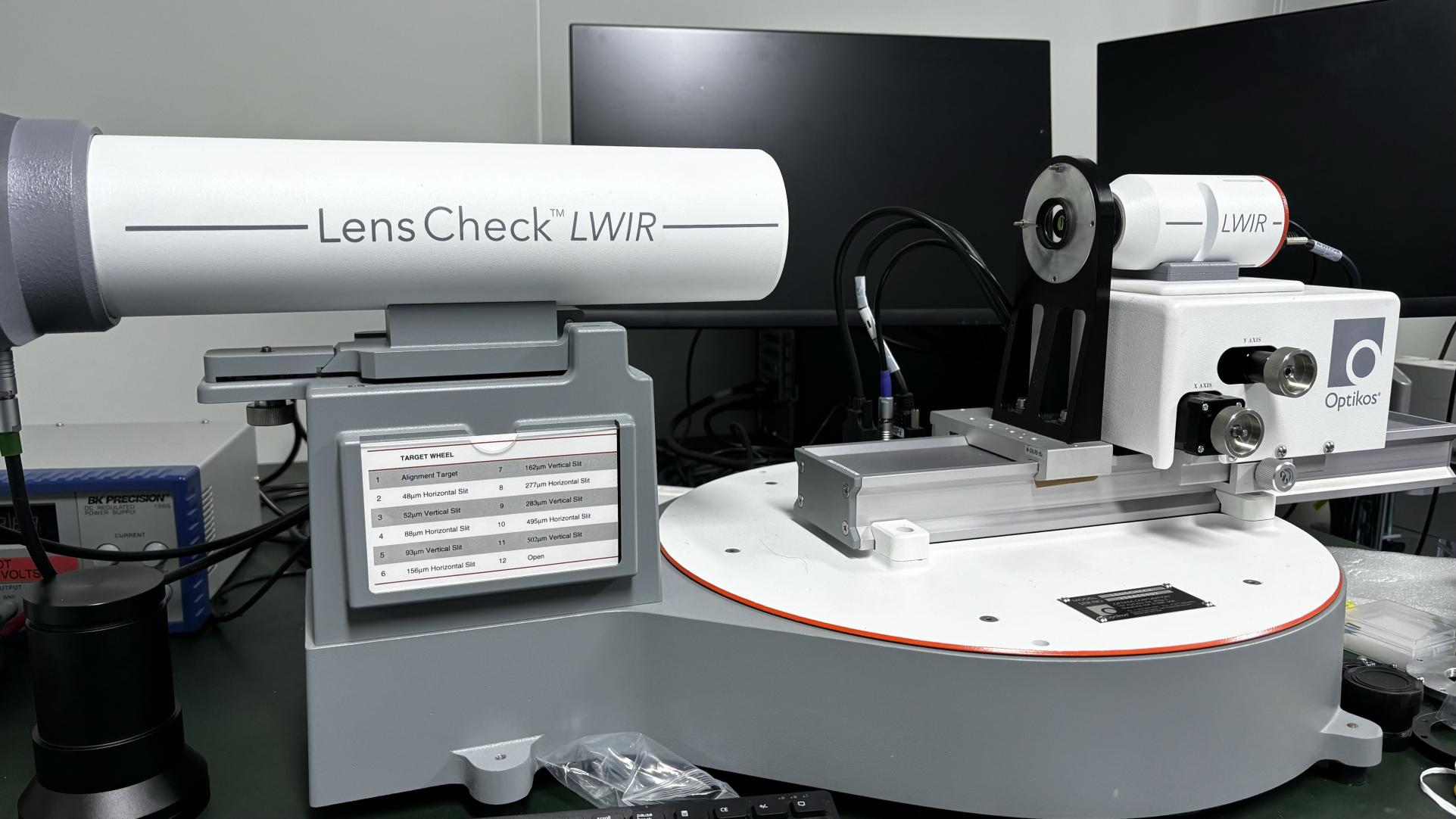
Since its establishment, Devixa has focused on delivering reliable, scalable, and energy-efficient computing platforms for artificial intelligence training, inference, cloud computing, big data analytics, scientific research, and enterprise data centers. With our state-of-the-art integration and verification systems, we guarantee the structural and operational reliability of every compute module shipped worldwide.
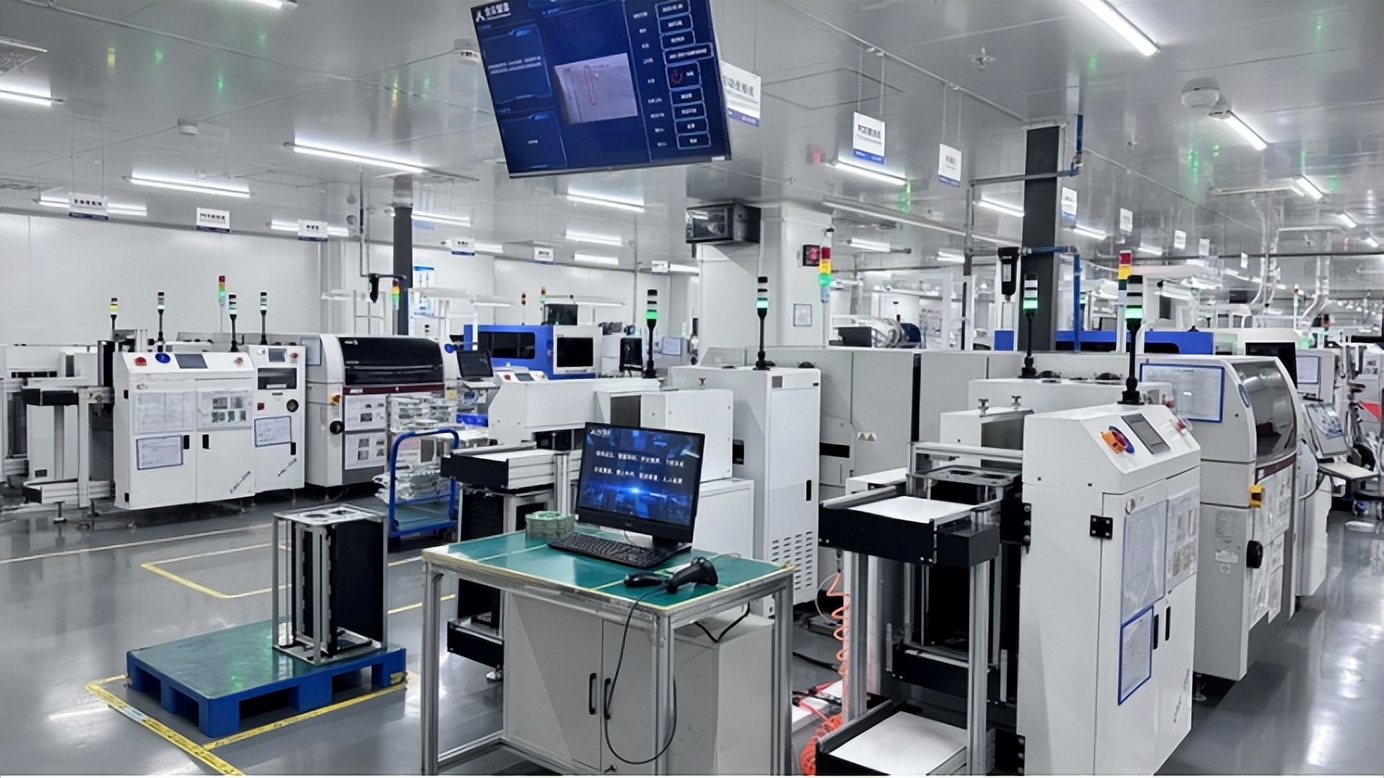
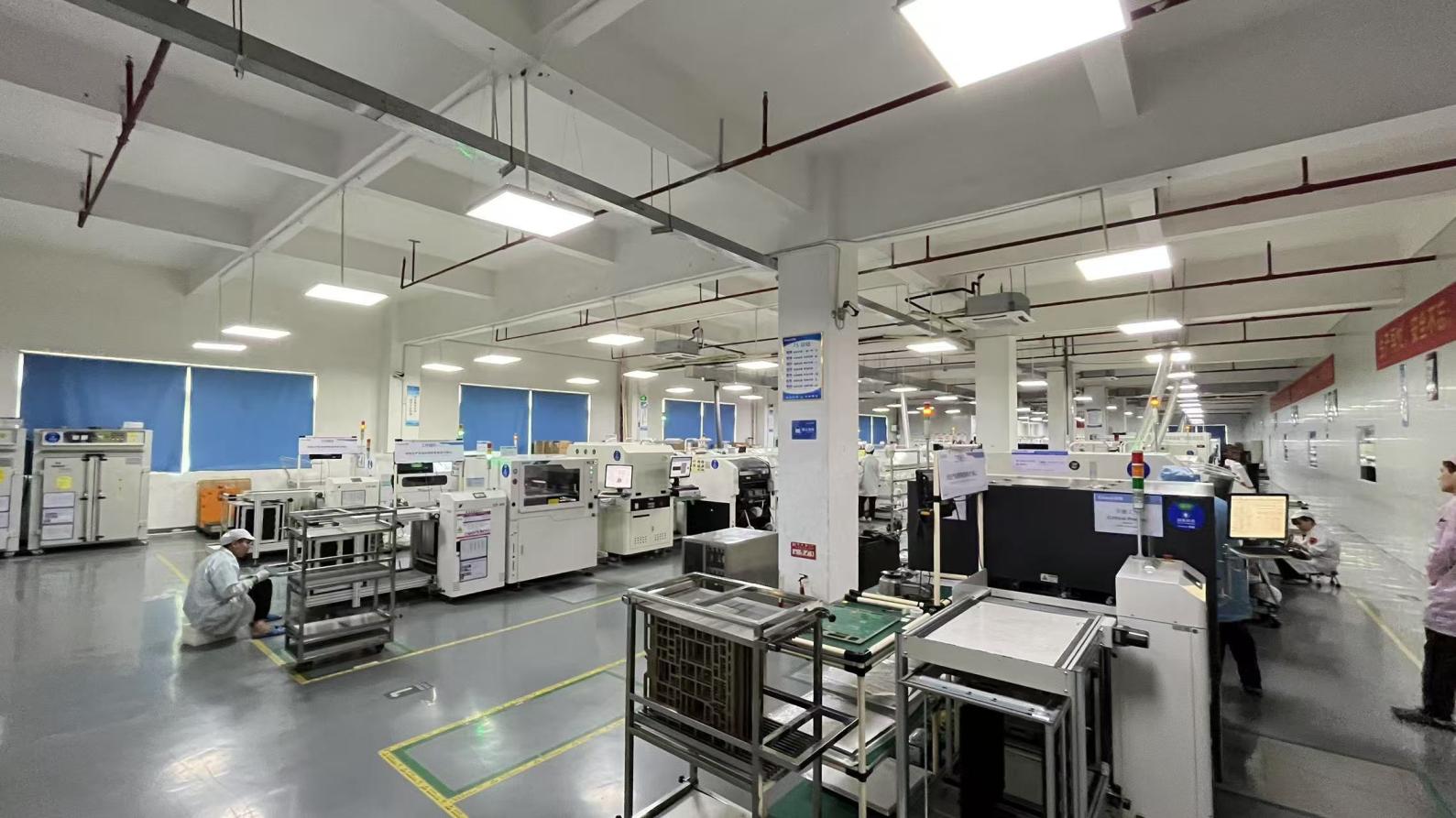
Supported by a strong R&D team and a mature global supply chain, Devixa serves OEM, ODM, and private label customers worldwide. We are committed to strict quality control, fast delivery, and long-term technical support, helping partners build competitive AI infrastructure with dependable performance.
| Devixa Technologies Inc. - Corporate Information & Operational Capacity | |
|---|---|
| Company Registration Date | April 18, 2016 |
| Factory Area | 18,600 m² |
| Annual Export Revenue | USD 28.4 Million |
| Export Experience | 8 Years |
| Industry Experience | 10 Years |
| Quality Assurance | 100% Quality Inspection Before Shipment |
| Product Inspection Method | Incoming Material Inspection (IQC), In-Process Inspection (IPQC), Functional Testing, Burn-in Test, Final Quality Control (FQC), Outgoing Quality Inspection (OQC) |
| Quality Control Staff | 42 Specialist Inspectors |
| Business Type | Manufacturer & Exporter (OEM/ODM Service) |
| Main Markets | North America, Western Europe, Southeast Asia, Middle East, Australia |
| Supply Chain Partners | 1,150 Certified Component Providers |
| Main Customer Types | System Integrators, AI Solution Providers, Cloud Service Providers, Research Institutes, Universities, Enterprise Data Centers |
| R&D Capability | Independent Hardware Design, Firmware Development, Thermal Optimization, Custom AI Server Solutions |
| Customization Options | OEM, ODM, Logo Printing, BIOS Customization, Chassis Design, GPU/CPU/Memory/Storage Configuration |
| New Products Released Last Year | 68 Innovation Models |
| R&D Engineers | 126 Full-time Hardware & Systems Engineers |
Ensuring containerized infrastructures remain viable for upcoming silicon releases requires state-of-the-art power design and thermal management methodologies.
To reduce electrical losses and manage dynamic transients during heavy AI model training runs, modern compute containers deploy 415V or 480V 3-phase high-voltage power lines directly into smart, rack-level power distribution systems. Devixa designs incorporate localized, ultra-fast Automatic Transfer Switches and modular UPS configurations to ensure clean, continuous power without oversized structural footprints.
Air cooling struggles to sustain clusters populated with chips generating upwards of 700W TDP. Our forward-looking container solutions deploy Hybrid Liquid-to-Air cooling. CDU (Cooling Distribution Units) manage high-efficiency secondary liquid loops that target the CPUs and GPUs via premium copper cold plates, routing remaining heat out through external dry cooler matrices to keep Power Usage Effectiveness (PUE) below 1.15.
Every modular container unit features a network of sensors reading temperature, humidity, particulate concentration, fluid pressure, flow rate, and security parameters. This data is monitored via an onboard DCIM (Data Center Infrastructure Management) console supporting SNMP v3 and Modbus TCP protocols, enabling site engineers to balance workloads and optimize structural operating costs remotely.
Exporting high-value infrastructure configurations requires compliance with stringent regulatory frameworks and local engineering guidelines.
Deploying prefabricated structural computing modules globally means navigating zoning, transport, and structural certifications. Devixa ensures each container meets regional standards before shipment: ISO shipping dimensions for standard container cargo ships, CSC (Convention for Safe Containers) certifications, and localized electrical compliance parameters (NEC / NFPA 70 in North America; CE / EN standards in Western Europe).
Furthermore, internal computing clusters are certified to meet major functional and safety standards (UL/IEC 62368-1, FCC Class A, and RoHS guidelines). Our engineering teams work alongside regional integration partners to assist with mechanical, electrical, and plumbing (MEP) connections on-site, shortening commissioning times from delivery to run-time.
Direct answers to common technical, electrical, and mechanical integration queries from infrastructure architects.