Devixa
Devixa
Devixa
High-throughput switches, optimized GPU render nodes, and dense network storage architectures driving modern high-definition AV workflows.
Analyzing the paradigm shift from traditional baseband matrix distribution to centralized high-density processing, real-time rendering, and low-latency AV-over-IP fabrics.
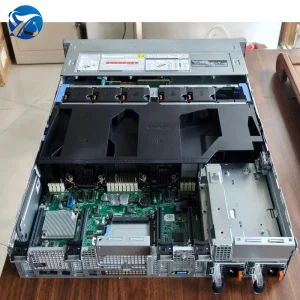
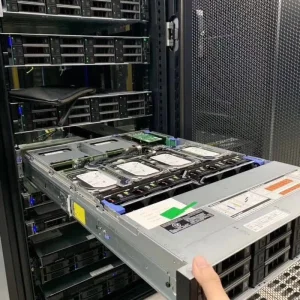
Modern visual ecosystems rely heavily on high-end compute platforms to transcode, render, and compile multi-camera arrays in real time. From virtual production LED volumes (XR/AR) using Unreal Engine to cloud-based multi-format transcoding, server-grade hardware featuring dedicated accelerators has replaced proprietary black boxes. Our systems ensure zero-frame latency and extreme parallel processing paths required by dynamic rendering nodes.
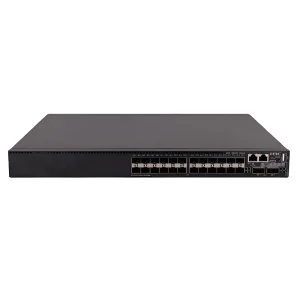
The digitization of video networks has normalized SDVoE (Software Defined Video Over Ethernet) and SMPTE ST 2110 standards. The backbone is no longer traditional SDI routers, but high-bandwidth 10G/40G/100G network switches. The H3C S6520X-30QC-EI switch and similar configurations form the central nervous system, distributing uncompressed UHD video across multi-tier networks with microsecond latency, high security, and dynamic multicast routing.
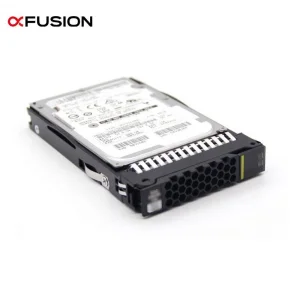
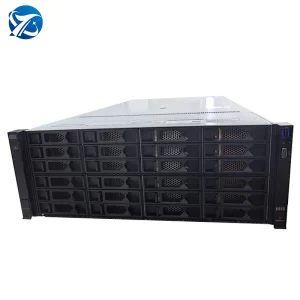
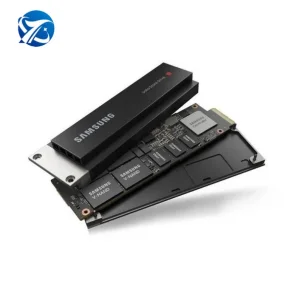
Non-linear editing (NLE), real-time playout, and broadcast scheduling require high-throughput media storage. Using SAS and SATA SSD setups (such as Samsung PM893 or PM9A3 series) on low-latency, hyperconverged NAS arrays allows simultaneous access to multiple uncompressed 4K or 8K streams. Storage latency is kept below sub-milliseconds to avoid frame dropouts during crucial live transmissions.
Pioneering customizable, energy-efficient server architecture and network solutions engineered for intensive computational workloads and media applications.
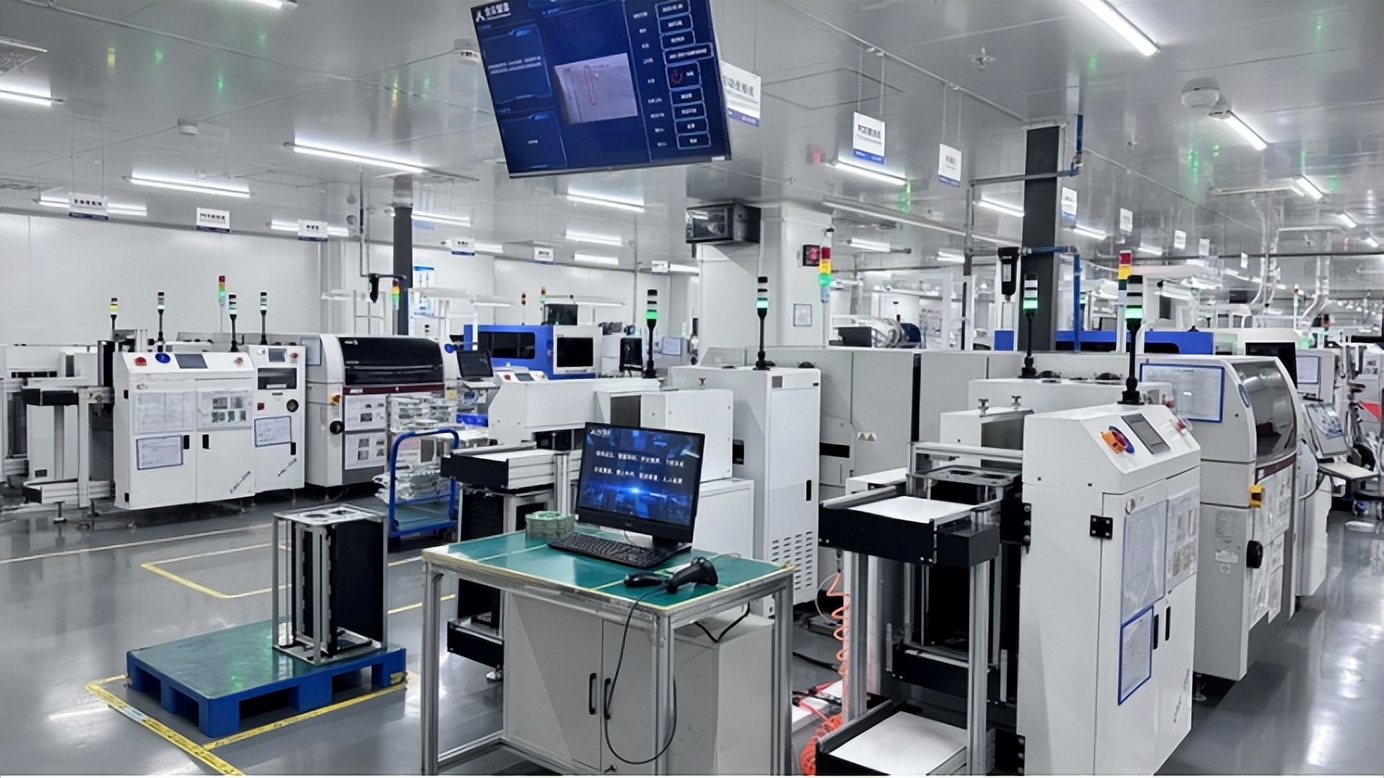
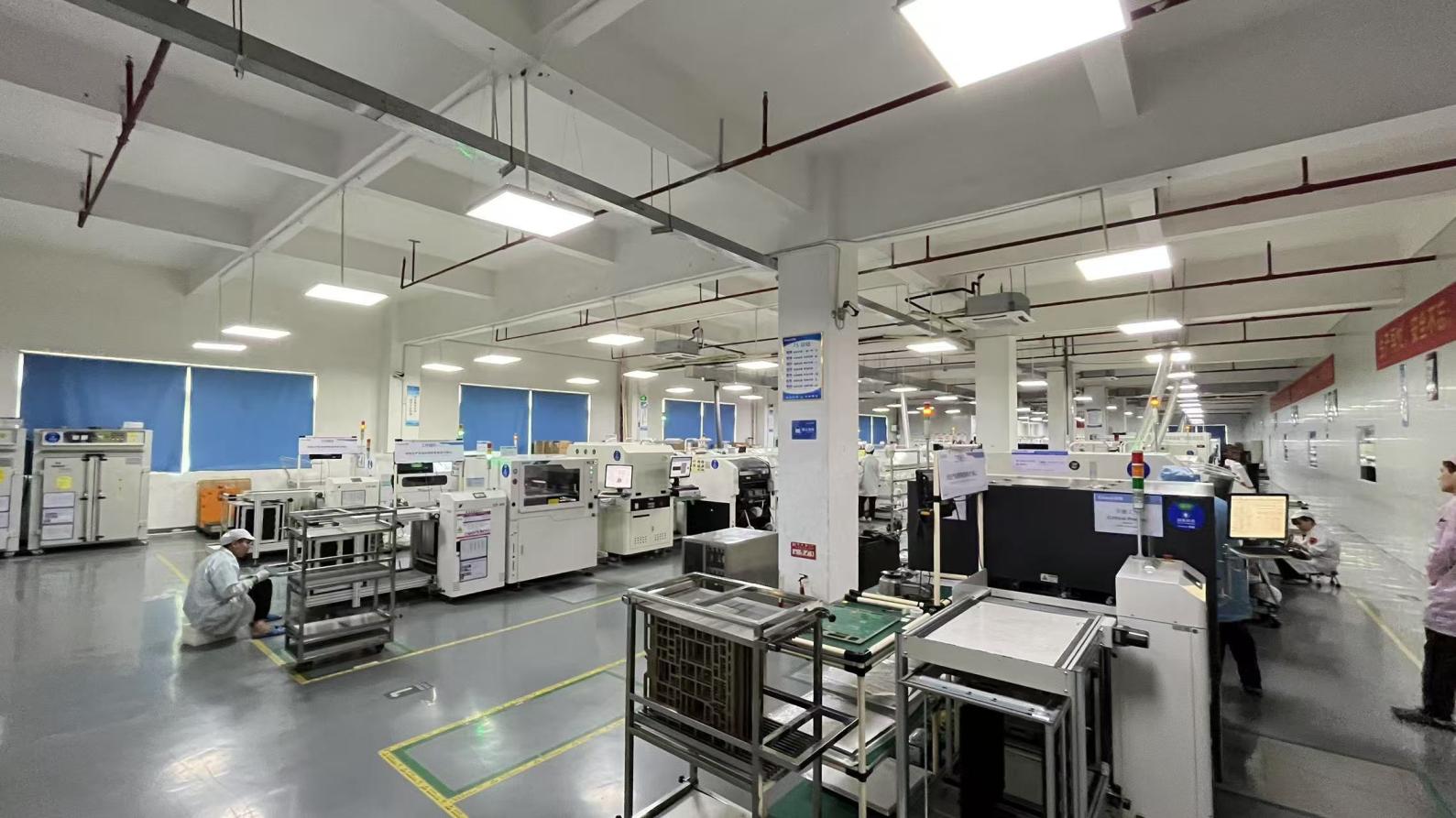
Devixa Technologies Inc. operates as a premiere high-performance hardware and customized AI computing architecture manufacturer. Serving worldwide system integrators, AI solution developers, and enterprise media operators, our engineering infrastructure is dedicated to optimizing high-density multi-socket server hardware, thermal configurations, and system-level firmware. Through modern, automated production facilities, we deliver scalable ODM and OEM options tailored to meet strict commercial deployment and global compliance mandates.
| Operational Parameter | Detailed Capability Specifications |
|---|---|
| Business Paradigm | Manufacturer & Exporter (Custom OEM/ODM Integration) |
| Manufacturing Footprint | 18,600 m² integrated production, assembly, and testing facility |
| Annual Export Volume | USD 28.4 Million across international distributions |
| Supply Chain Coverage | 1,150 strategic component and sub-assembly partners globally |
| Customization Levels | Chassis structural design, custom PCB routing, customized BIOS/UEFI, unique cooling pathways, brand labeling, custom PCIe expansion topologies |
| Core Quality Protocols | IQC (Incoming Materials), IPQC (In-Process), Thermal Burn-in, FQC (Functional Checks), OQC (Outgoing Auditing) |
| Global Target Markets | North America, Western Europe, Southeast Asia, Middle East, Australia |
Aligning product designs with upcoming shifts in AV encoding formats, generative video networks, and thermal management technologies.
Next-generation AV networks incorporate real-time cognitive encoding frameworks. By leveraging high-density GPU platforms, media streams dynamically adapt bitrate allocations based on contextual importance in the frame. This reduces bandwidth requirements by up to 50% for 4K streams while maintaining crisp details in critical regions, which is essential for multi-channel live streaming.
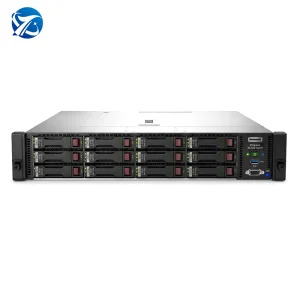
As server architectures integrate higher TDP components (exceeding 350W per processor and 700W per accelerator), traditional air-cooling becomes a bottleneck. Liquid-cooling setups, such as the HPE ProLiant Gen12 infrastructure, implement closed-loop direct-to-chip (DLC) solutions. This allows high-density media nodes to run continuously without thermal throttling, maintaining a low PUE in data centers.
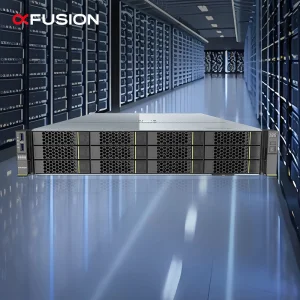
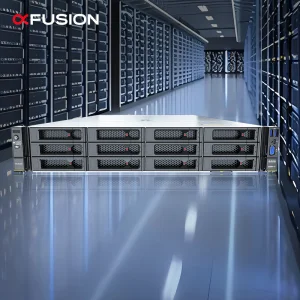
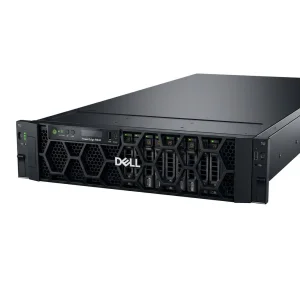
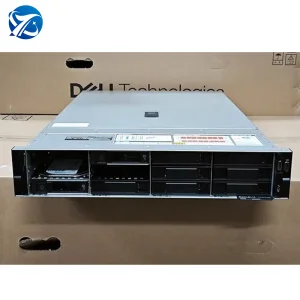
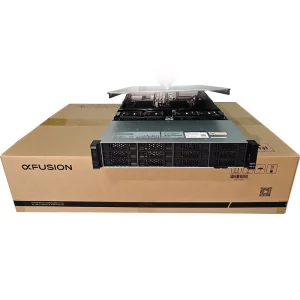
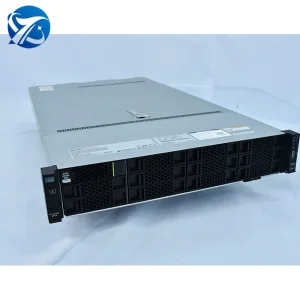
The replacement of baseband SDI matrix switchers with IP fabric requires 100G pipelines. Integration of PCIe Gen5 network interface cards (NICs) on platforms like Dell PowerEdge and xFusion server blocks guarantees microsecond-level synchronizations across broadcast studios, virtual production sets, and theater stages.
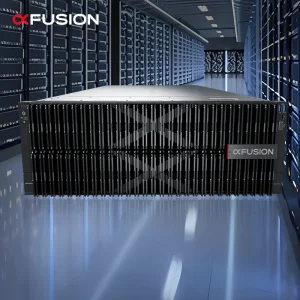
The consolidation of control surfaces, digital signal processors (DSPs), video matrices, and playback scheduling software onto virtualized server instances (Hyperconverged Infrastructure - HCI) simplifies hardware maintenance. Deploying systems like the xFusion 2288H V7 HCI server reduces physical footprint while increasing redundancy.
Deploying high-grade processing nodes and switching technology across various verticals to resolve complex bandwidth, latency, and distribution challenges.
Virtual production studios rely on real-time rendering systems to align live cameras with LED screen backdrops. This requires massive computational throughput and low-latency storage. Deploying dual-socket GPU workstations and high-speed NVMe storage systems allows producers to run massive assets on Unreal Engine without stuttering, eliminating post-production steps and accelerating project timelines.
For government operations, large-scale corporate campuses, and control centers, distributing hundreds of feeds across various locations requires secure IP networks. Utilizing 10G managed switches ensures secure, zero-latency KVM and video routing. This allows operators to easily access and manage feeds on display walls, increasing situational awareness and response efficiency.
Streaming providers require low-latency transcoding to deliver 4K/8K HDR video to global audiences. Leveraging GPU servers optimized for transcoding allows platforms to dynamically scale stream outputs to match changing network conditions, reducing delivery costs and ensuring high-quality playback on end-user devices.
Leveraging strategic manufacturing hubs, optimized resource allocation, and a structured quality control workflow to achieve highly competitive time-to-market metrics.
Located in the heart of industrial manufacturing zones, Devixa operates with access to over 1,150 validated component vendors. From specialized copper heat pipes and custom metal alloys for chassis designs to complex PCBs, we source raw materials and sub-components rapidly, minimizing lead times and bypassing typical global logistics bottlenecks.
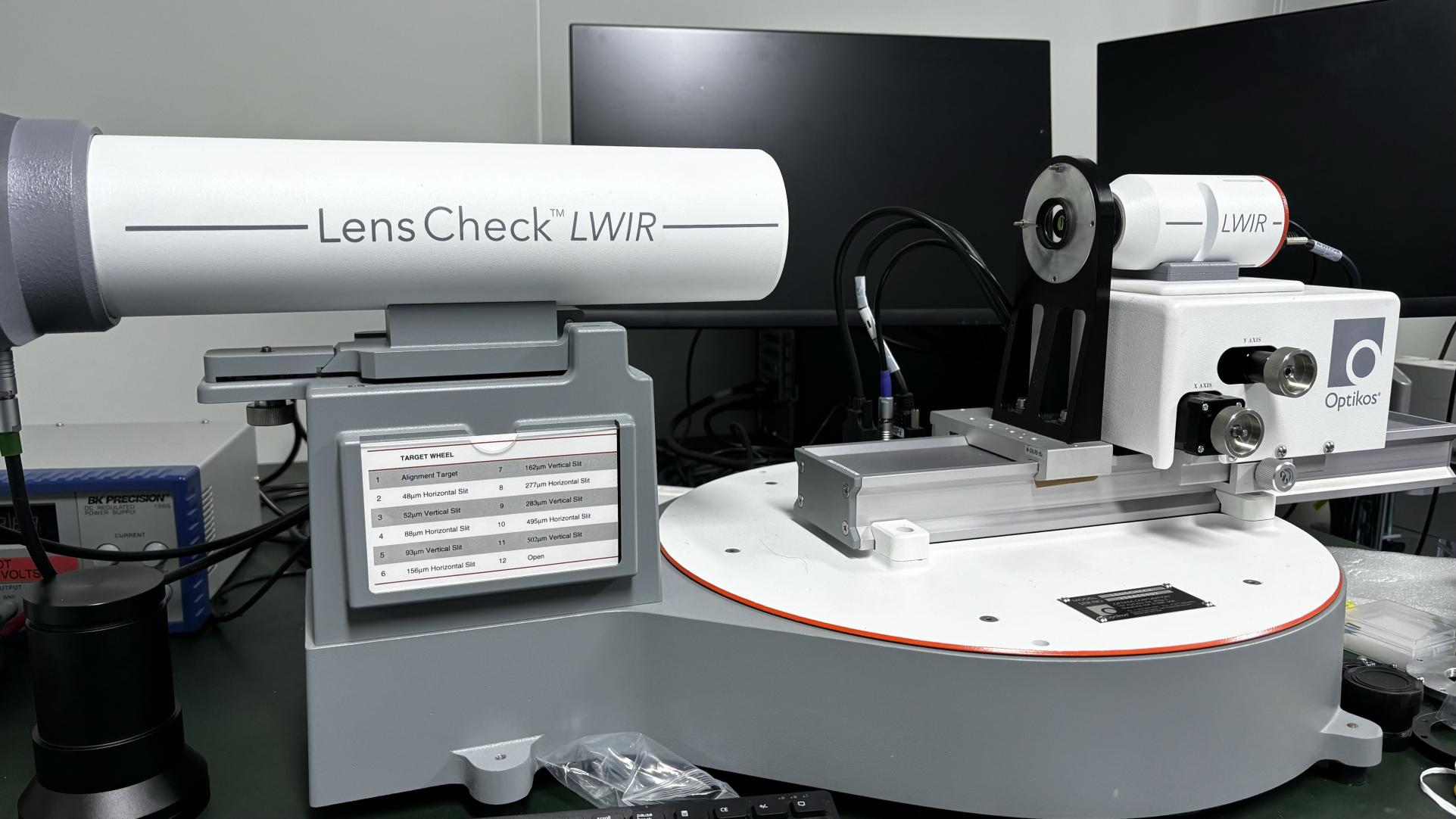
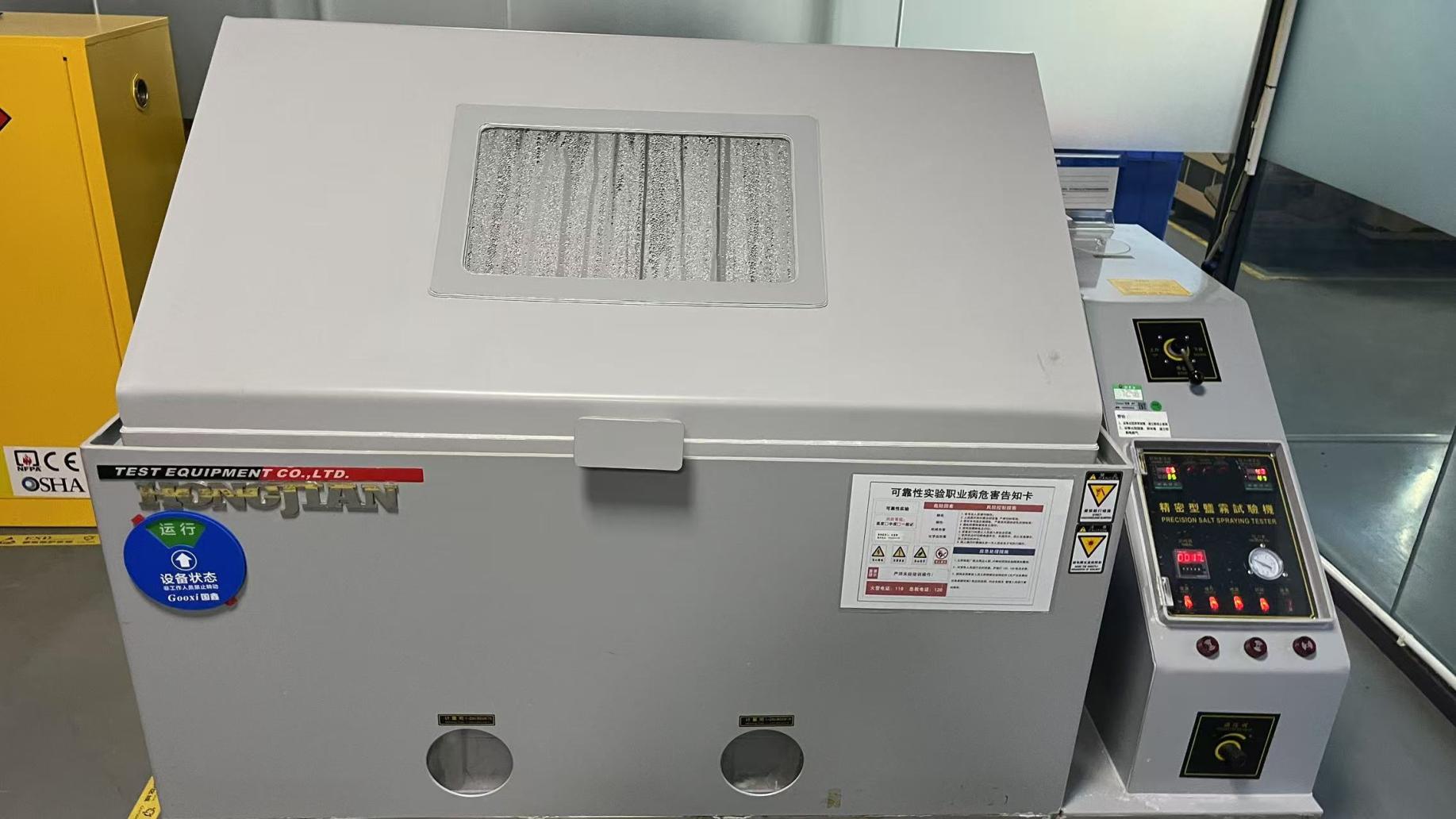
Every single unit undergoes rigorous testing processes before leaving our facility. Our QA staff monitors high-temperature burn-in chambers, load-test PCIe lines, inspect high-speed signals with oscilloscopes, and perform vibration tests. This proactive QC methodology guarantees that our systems remain reliable even under continuous, 24/7/365 operation.
With an R&D engineering team of 126 professionals, we quickly convert concepts into functional prototypes. Our engineers can develop customized chassis, customize UEFI configurations, and optimize thermal designs within a few weeks, allowing our partners to remain competitive in fast-moving industries.
Strict compliance with ISO9001 and ISO14001 guidelines to maintain consistent quality across all production runs.
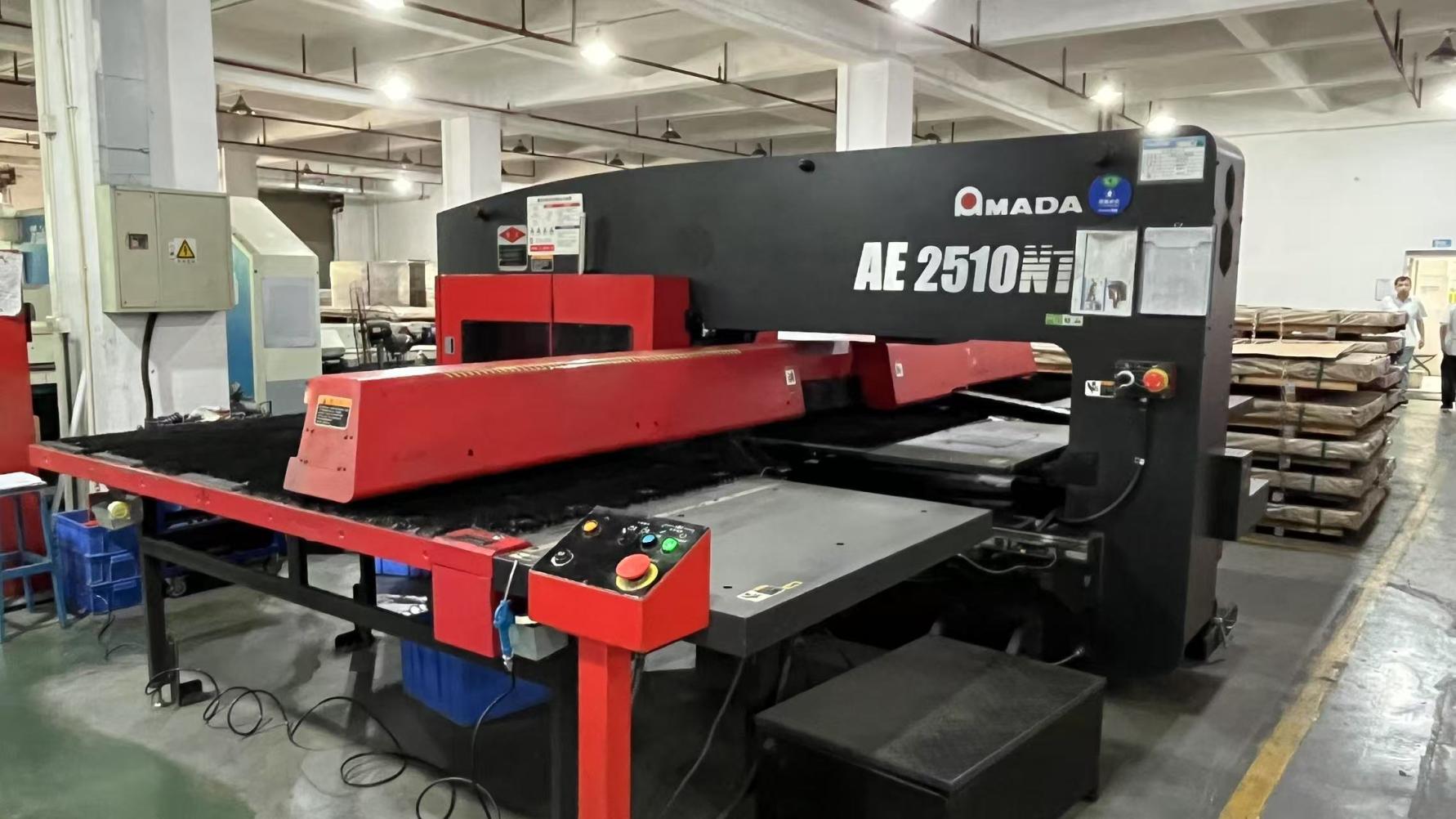
Ensuring that our customized computing systems meet international regulatory standards and arrive safely at your facility.
All hardware platforms designed and produced by Devixa are fully certified to meet regional standards, including CE, FCC, RoHS, and UL approvals. This ensures smooth customs clearance and easy integration into corporate enterprise networks.
We provide localized software customization, including secure boot configurations, tailored UEFI options, and remote management settings (IPMI 2.0 / Redfish). This guarantees that your platforms align with local cybersecurity and network security policies.
Due to the sensitivity of high-value components (GPUs, CPU dies, NVMe storage), we package our products in custom, anti-vibration shockmount crates. We coordinate transport routes with leading global freight carriers to ensure safe and on-time delivery.
Our OEM partnerships include comprehensive lifecycle support. We commit to maintaining steady component availability for up to 5-7 years, providing drop-in replacements and upgrades to protect your infrastructure investment.
Addressing common integration, deployment, and customization questions from engineering leads and procurement departments.
Discover our range of servers, switches, and components designed for enterprise rendering, transcoding, and low-latency workflows.