Devixa
Devixa
Devixa
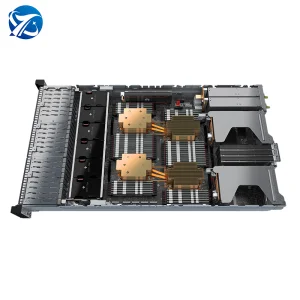
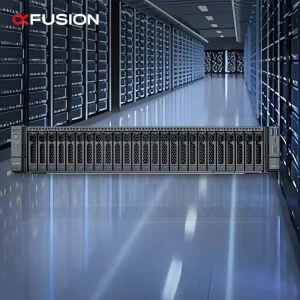
High-performance computing hardware integrated with advanced management tools.
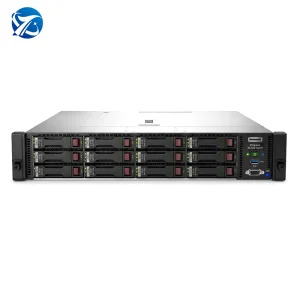
As global data demands surge, the complexity of server management has evolved from simple hardware monitoring to sophisticated "Self-Healing" ecosystems. Modern enterprise server management tools are now integrating AI-driven predictive maintenance to reduce downtime by up to 40%. Our OEM solutions provide the essential BMC (Baseboard Management Controller) and firmware layers that allow these automated systems to communicate with precision.
The industry is transitioning from legacy IPMI (Intelligent Platform Management Interface) to the more scalable DMTF Redfish® API. This shift enables DevOps teams to manage multi-vendor server fleets through a unified JSON-based RESTful interface. Devixa’s hardware is built with native Redfish support, ensuring seamless integration into modern cloud orchestration tools like Kubernetes and Terraform.
With global sustainability mandates, server management tools are no longer just about "on/off" control. They are critical for dynamic power capping and thermal optimization. Our management controllers monitor hundreds of thermal sensors in real-time, adjusting fan curves and liquid cooling throughput to ensure optimal PUE (Power Usage Effectiveness) for high-density AI clusters.
| Service Category | Technical Capabilities |
|---|---|
| Customization Options | OEM, ODM, Logo Printing, BIOS Customization, Chassis Design, GPU/CPU/Memory Configuration |
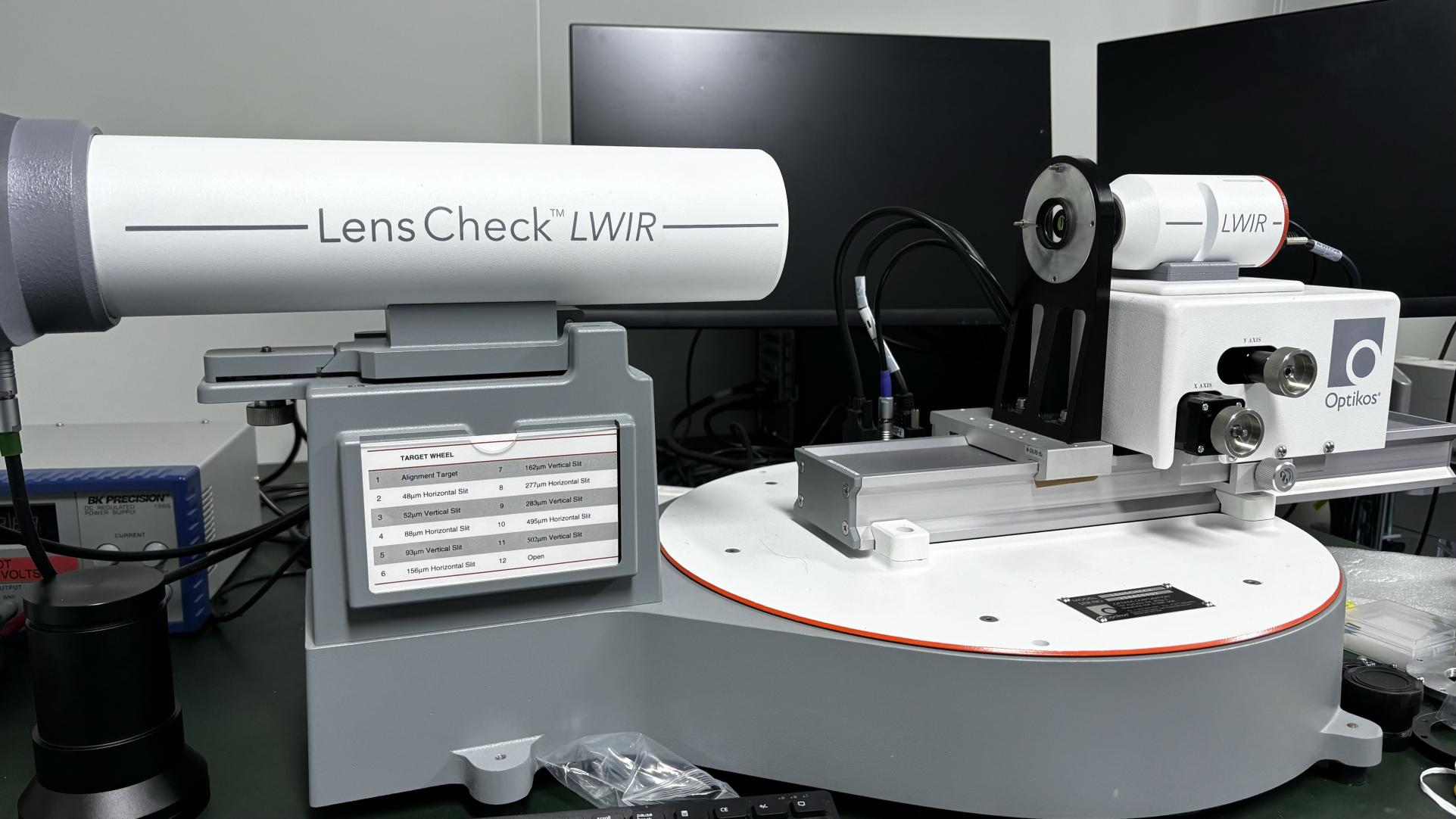
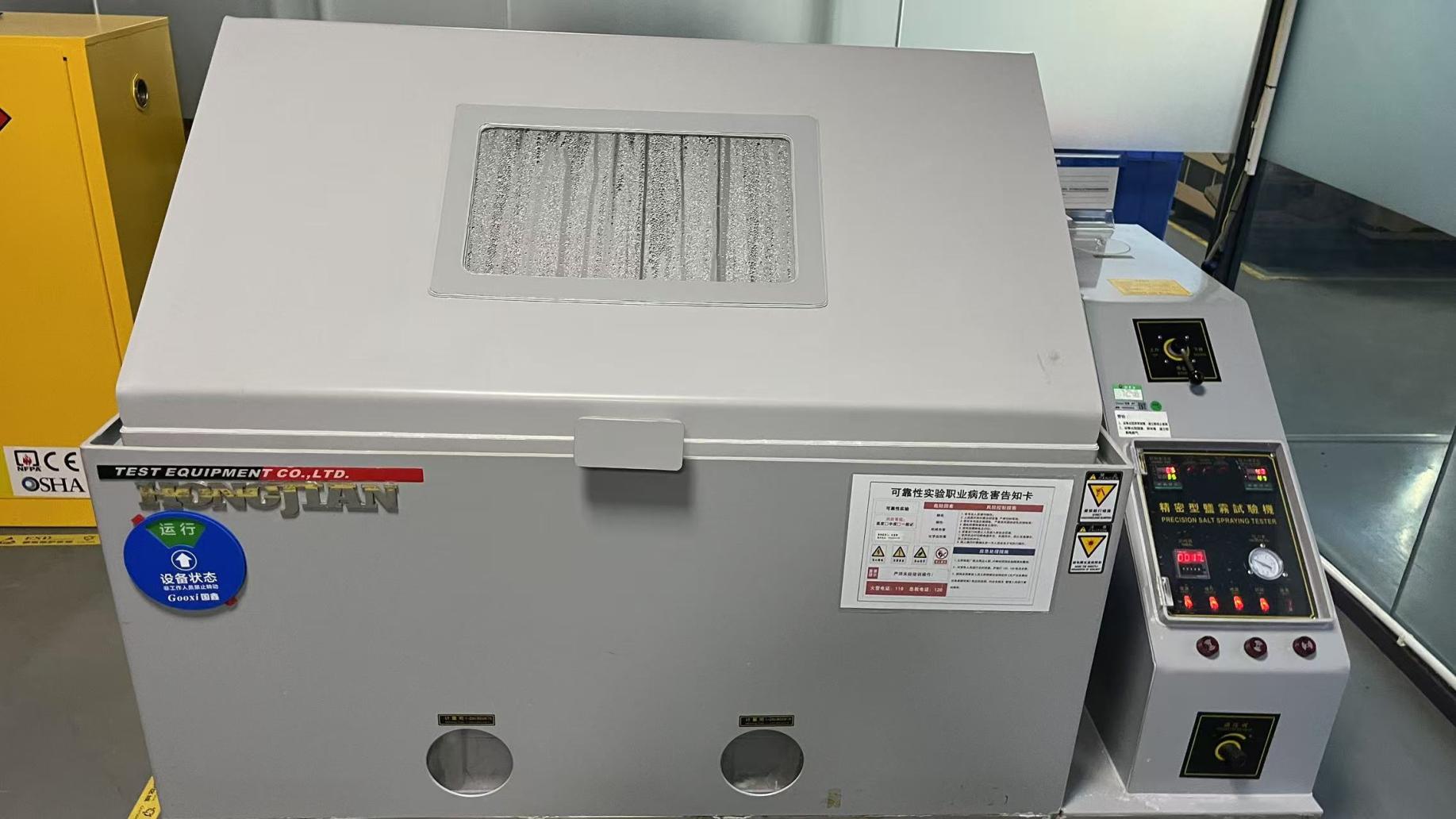
| Quality Assurance | IQC, IPQC, Functional Testing, Burn-in Test (72h+), FQC, OQC with 42 dedicated QC staff |
| Hardware Support | NVIDIA® & AMD® Accelerator Compatibility, Liquid Cooling Integration, PCIe 5.0 Architectures |
| Global Compliance | Exporting to North America, Western Europe, Southeast Asia, Middle East, and Australia |
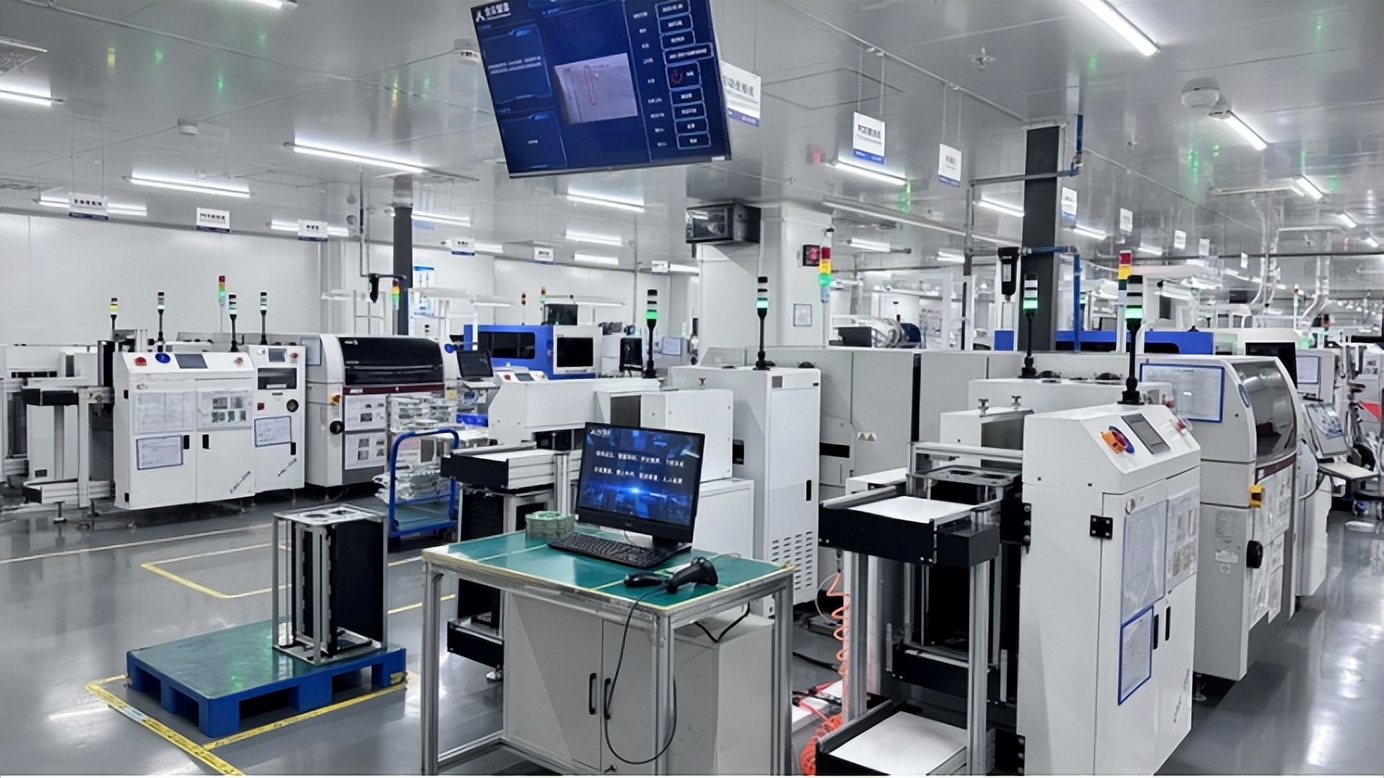
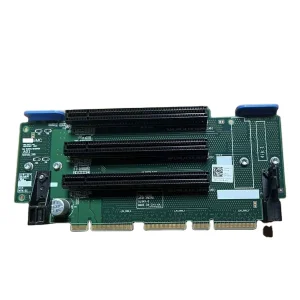
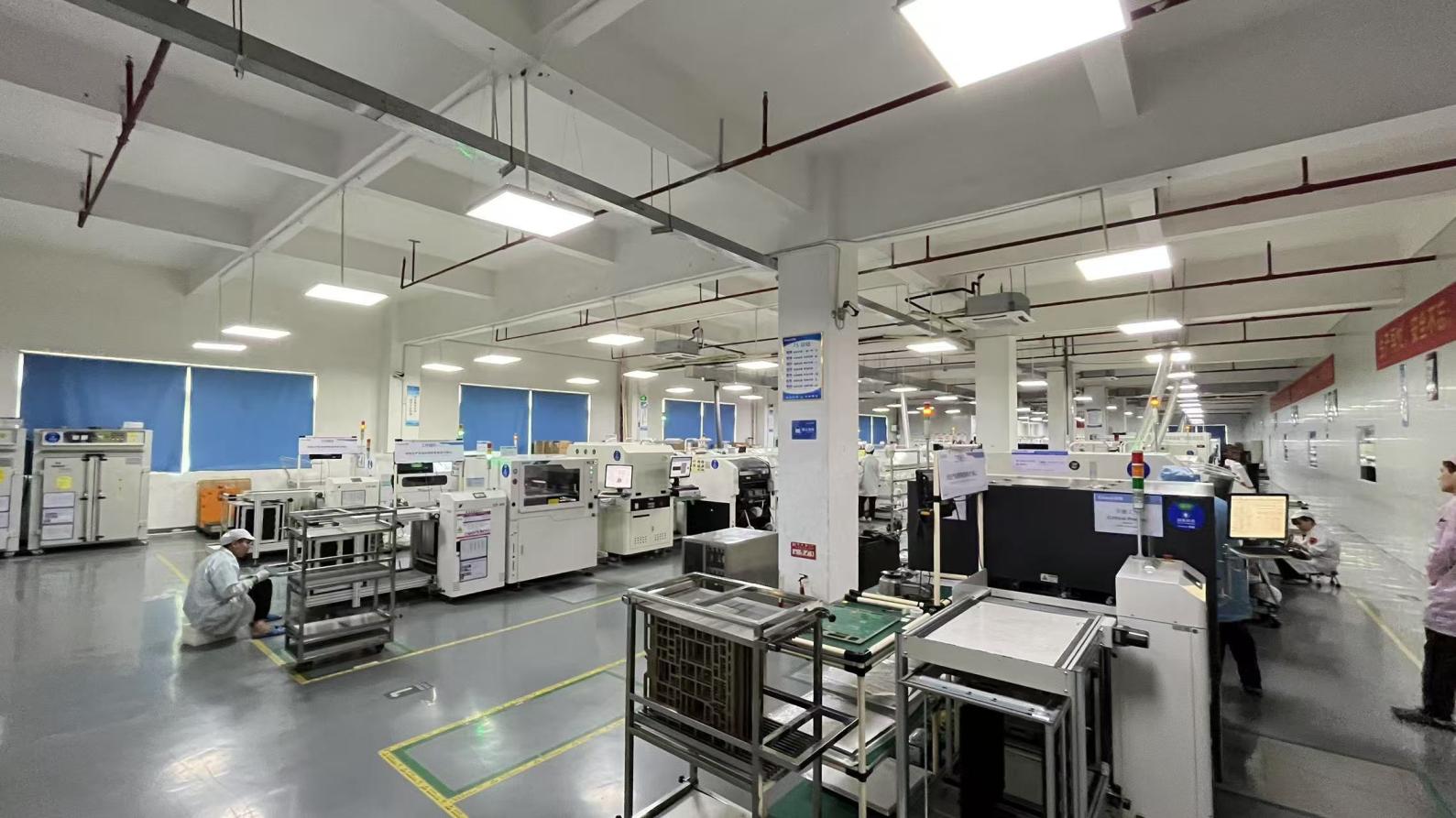
Located in the heart of the global electronics hub, Devixa leverages 1,150+ local supply chain partners. This density allows us to source specialized riser cards, high-efficiency PSUs, and custom chassis components within days rather than weeks, drastically reducing Lead Time for OEM projects.
Our 126 R&D engineers can move from a concept drawing to a functional server management prototype in record time. Whether it's a custom BIOS logo for a cloud provider or a unique BMC firmware for edge computing, our localized engineering talent ensures rapid iteration.
By integrating hardware design and system assembly under one 18,600 m² roof, we eliminate middle-man costs. This vertical integration allows enterprise-grade server management tools to be accessible for growing AI startups and research institutes alike.
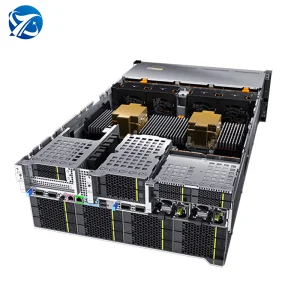
Optimized for Deepseek and large language model (LLM) training. Our management tools monitor GPU utilization and power draw across massive 4U and 2U rack setups to prevent thermal throttling during intensive 671B parameter model training.
In remote industrial sites, "Lights-Out" management is mandatory. Our tools allow administrators to perform remote OS deployments, BIOS updates, and hard resets via secure VPN tunnels without ever visiting the physical site.
With integrated hardware root-of-trust, our management systems ensure that only signed firmware is loaded. This is critical for banking and government sectors requiring high-security data center rack infrastructures.
As we move toward 2025 and beyond, several key trends are shaping the way global enterprises procure server management tools:
Server management tools are evolving into AIOps platforms. Instead of reacting to a drive failure, the system uses historical data to predict failure a week in advance, allowing for scheduled maintenance without service interruption.
Hyperscalers are demanding transparency. The move toward OpenBMC allows developers to audit management code for security vulnerabilities, a service Devixa provides for high-security custom orders.
As TDP for CPUs and GPUs exceeds 500W, management tools must now orchestrate coolant flow rates and monitor for leaks at the rack level, integrating directly with CDUs (Coolant Distribution Units).
Management interfaces are becoming "mobile-first," allowing IT managers to receive critical alerts and perform basic power cycles via encrypted mobile apps, ensuring 24/7 uptime monitoring from anywhere.
Reliable components and systems for enterprise-grade deployments.