 Devixa
Devixa
Devixa
Engineered for network management servers, deep telemetry storage, dynamic analytics, and heavy AIOps database execution.
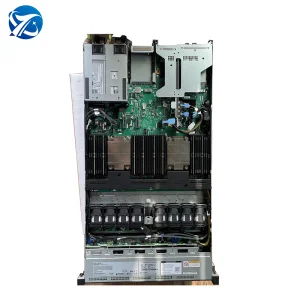
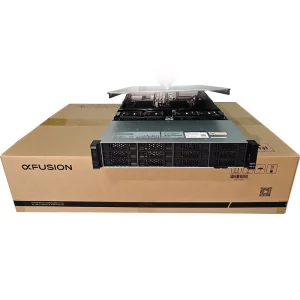
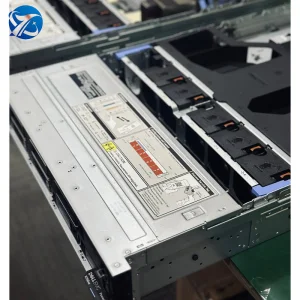
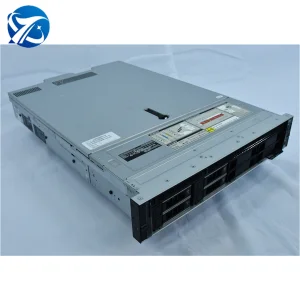
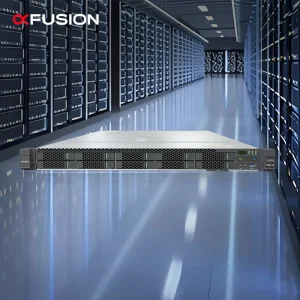
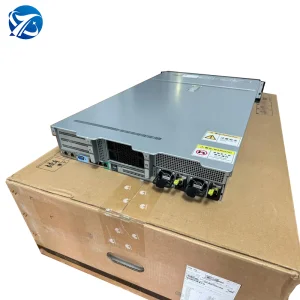
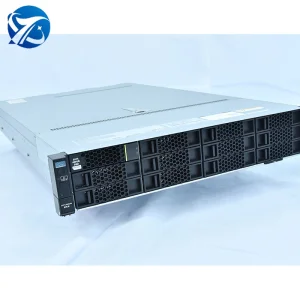
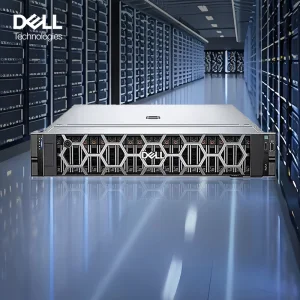
In modern hyperscale cloud systems, high-frequency trading networks, and global enterprise operations, network management tools (NMTs) have evolved from simple status monitoring dashboards to complex AIOps-driven engines. These platforms perform real-time packet inspection, automated topology mapping, predictive link failure mitigation, and distributed traffic telemetry. Executing these intensive computational algorithms requires physical network management hardware that possesses robust CPU architectures, deep GPU computing capabilities, and ultra-high-speed memory configurations.
As a leading hardware developer and systems designer, Devixa Technologies Inc. closes the gap between software-based network monitoring systems and bare-metal execution environments. Whether running modern telemetry platforms (such as Prometheus, Grafana, OpenTelemetry, or customized machine learning pipelines for network traffic forecasting), the hardware foundation determines the latency, accuracy, and operational reliability of your monitoring infrastructure.
Devixa Technologies Inc. is an industry-recognized hardware manufacturer specializing in high-performance computing (HPC) systems, AI GPU servers, network management host controllers, and custom storage solutions. Under our signature brand Devixa, we deliver custom bare-metal configurations designed to run heavy-duty enterprise software, complex machine learning training loops, and network management tools.
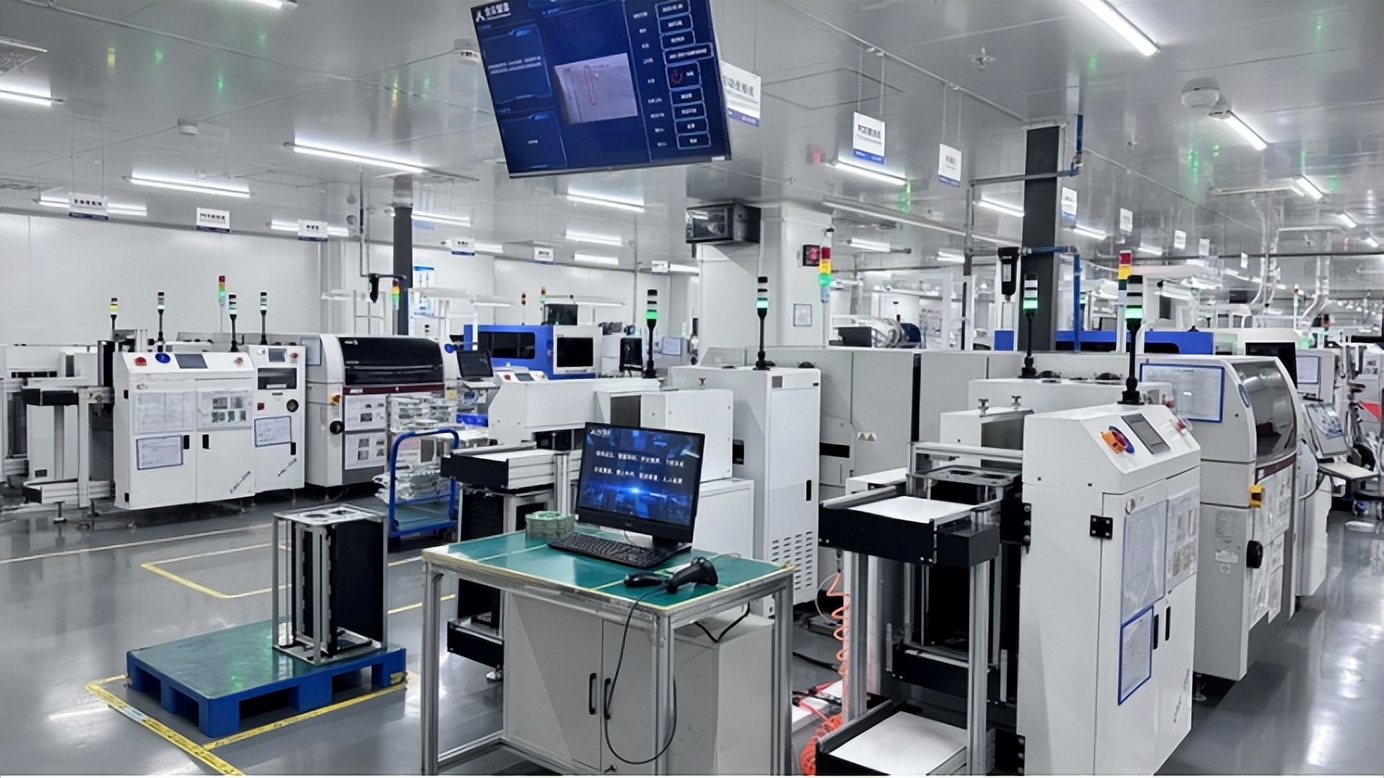
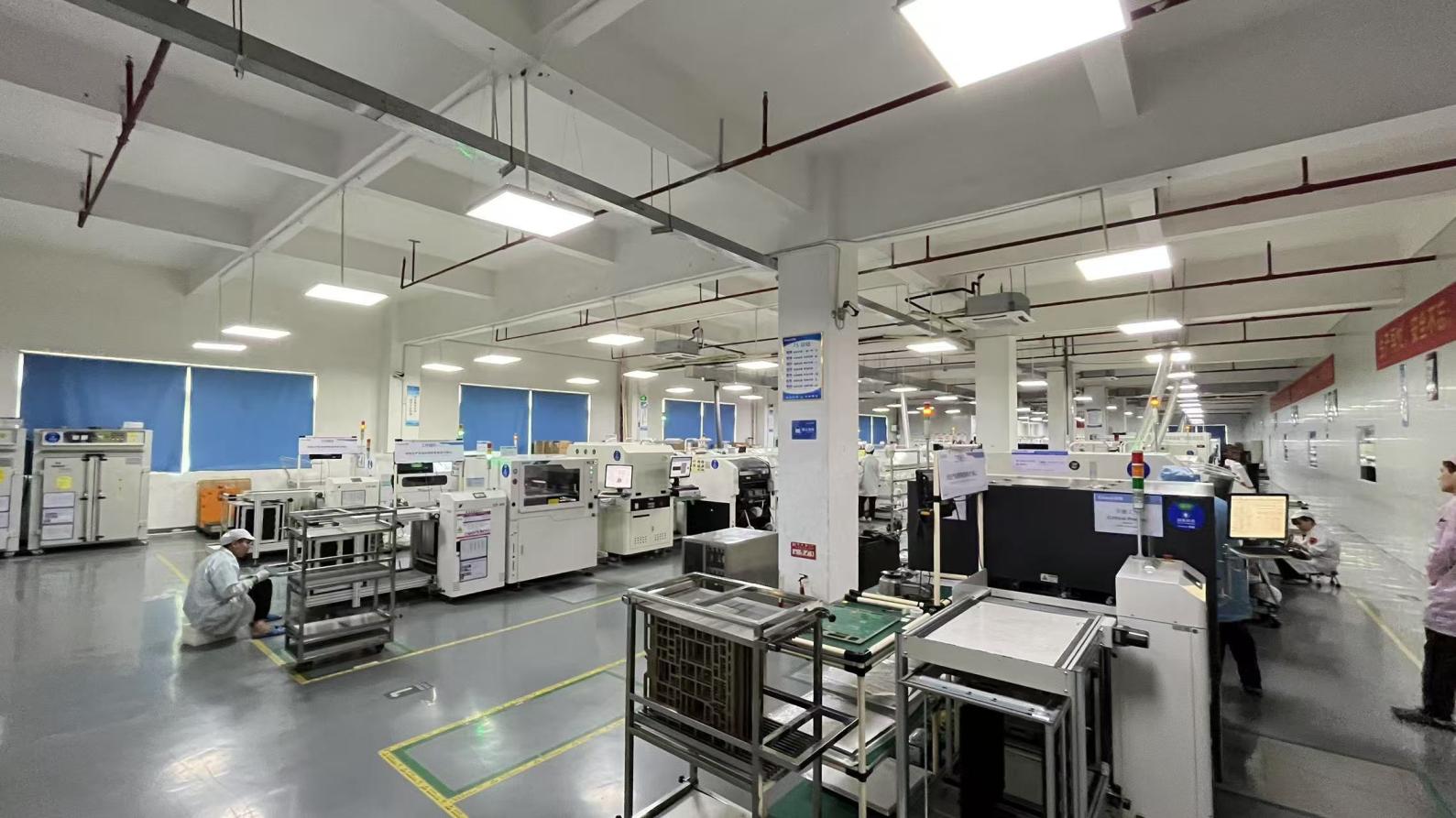
Operating from a state-of-the-art 18,600 m² manufacturing facility, Devixa coordinates hardware design, precision structural integration, structural thermal analysis, and extensive quality assurance under one roof. We design customized server topologies that support standard x86 architectures (Intel Xeon and AMD EPYC) alongside specialized accelerators, enabling systems integrators to build robust infrastructures globally.
Our mission is simple: provide scale-out system builders and enterprise procurement officers with high-performance, cost-effective, and fully certified computing nodes that guarantee operational continuity.
| Corporate Parameters & Capacity | |
|---|---|
| Brand / Website | Devixa / www.devixagpu.com |
| Establishment Date | April 18, 2016 (8 Years Export Experience) |
| Factory Footprint | 18,600 m² modern manufacturing space |
| Annual Export Revenue | USD 28.4 Million |
| Total R&D Engineers | 126 dedicated hardware and firmware engineers |
| QC Staff Capacity | 42 quality inspectors running IQC, IPQC, FQC, OQC protocols |
| Business Model | OEM, ODM, White-Label Manufacturing |
Analyzing the architectural trends shaping the next decade of network telemetry and physical host integration.
Legacy polling protocols (SNMP) are being replaced by push-based, real-time streaming telemetry. Modern hosts must process gigabytes of telemetry data per second. Our custom servers leverage GPU accelerators to run machine learning pipelines at the edge, predicting path bottlenecks before they impact applications.
As data rates transition from 100G/400G to 800G and beyond, network switches require integrated L3 routing and telemetry chips. Devixa is working with hardware designers to integrate SmartNICs and DPUs (Data Processing Units) directly into our server lines, offloading packet parsing from the main CPU.
With rack power density exceeding 40kW in AI data centers, keeping management servers within safe operating thermal ranges is critical. Our R&D team optimizes chassis airflow dynamics and supports direct-to-chip liquid cooling options, helping operators lower their Power Usage Effectiveness (PUE) metrics.
Providing dependable compute foundations across various verticals and deployment models.
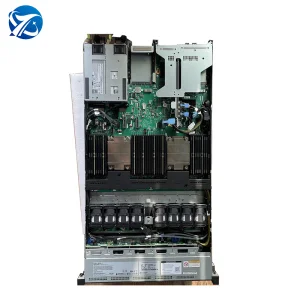
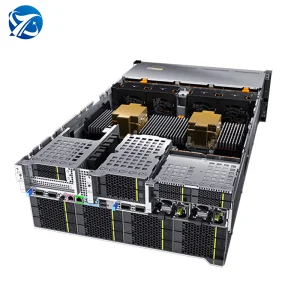
Deep learning frameworks require high bandwidth and massive storage pipelines. Our high-performance servers, such as the FusionServer 1288H V7 and 2288H V6 AI GPU systems, provide the necessary GPU interconnect options, robust power supplies, and PCIe expansion slots to manage network workloads in clustered AI cloud environments.
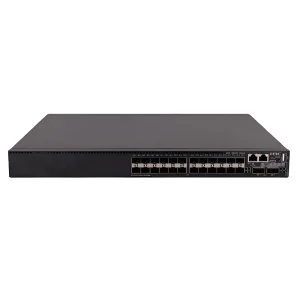
Telecom network operators require hardware that meets strict telecom specifications and operates continuously under demanding conditions. Our solutions integrate high-density optical switches, like the H3C S6520X-30QC-EI, with rack systems to manage data aggregation and traffic monitoring across distributed edge points.
For high-frequency trading (HFT) platforms, every millisecond matters. Processing market data and managing trade execution requires optimized server hardware. Devixa's custom configurations utilize low-latency storage cards, high-speed RAM, and precise BIOS tuning to minimize jitter and speed up network packet delivery.
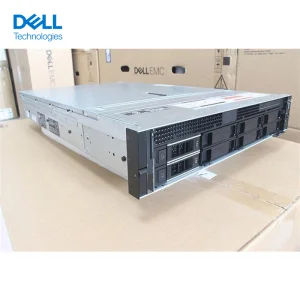
Managing multi-tenant cloud networks requires robust storage and compute platforms. By integrating enterprise nodes (such as the Dell PowerEdge R760 series and HPE ProLiant systems) with virtualization hypervisors, we help cloud providers manage software-defined networking (SDN) and keep tenant traffic isolated.
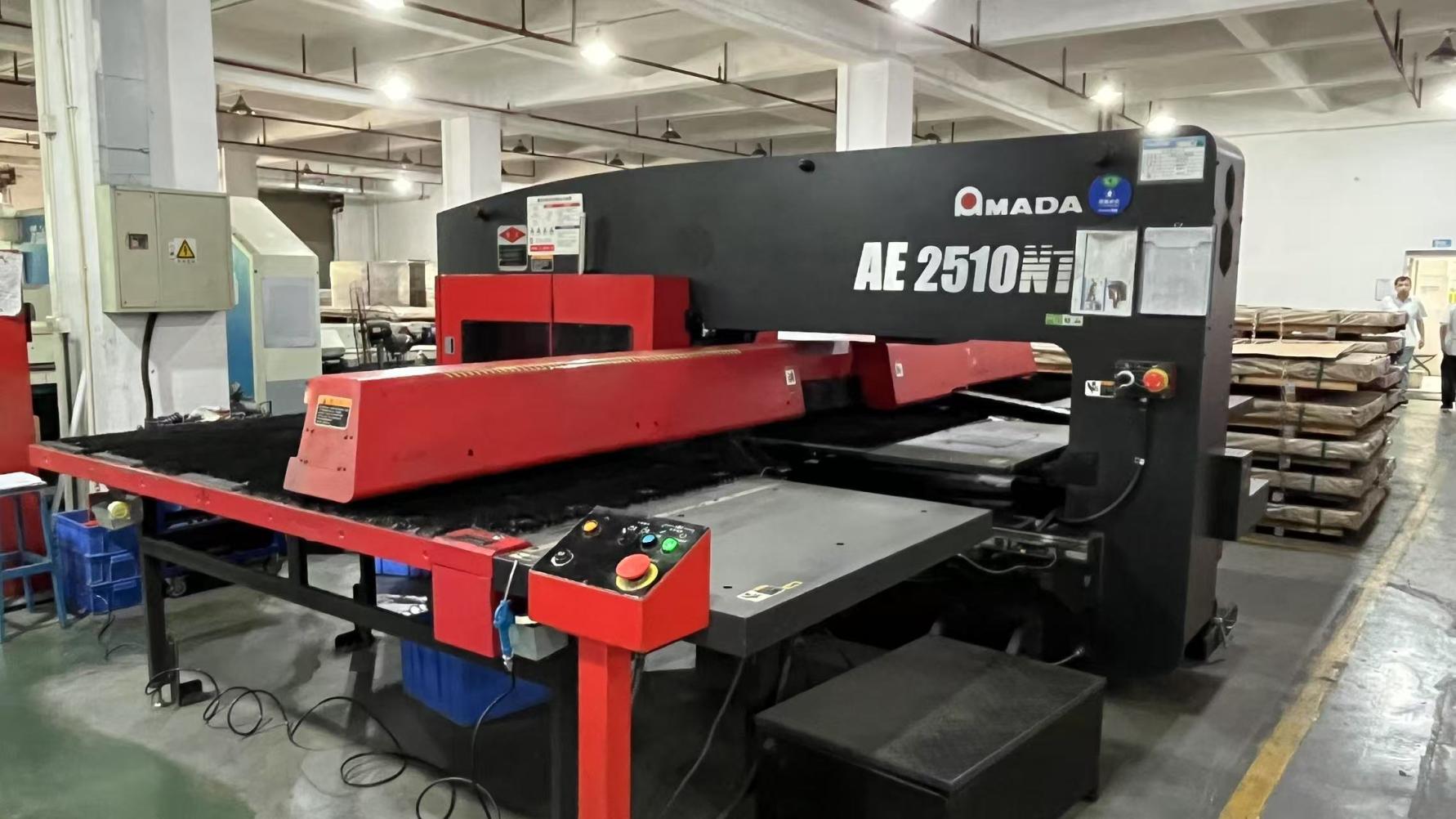
Devixa's manufacturing facility uses advanced factory floor layouts and process routing controls to guarantee hardware reliability. Every system component is tracked from receipt to final configuration, providing full transparency across our supply chain.
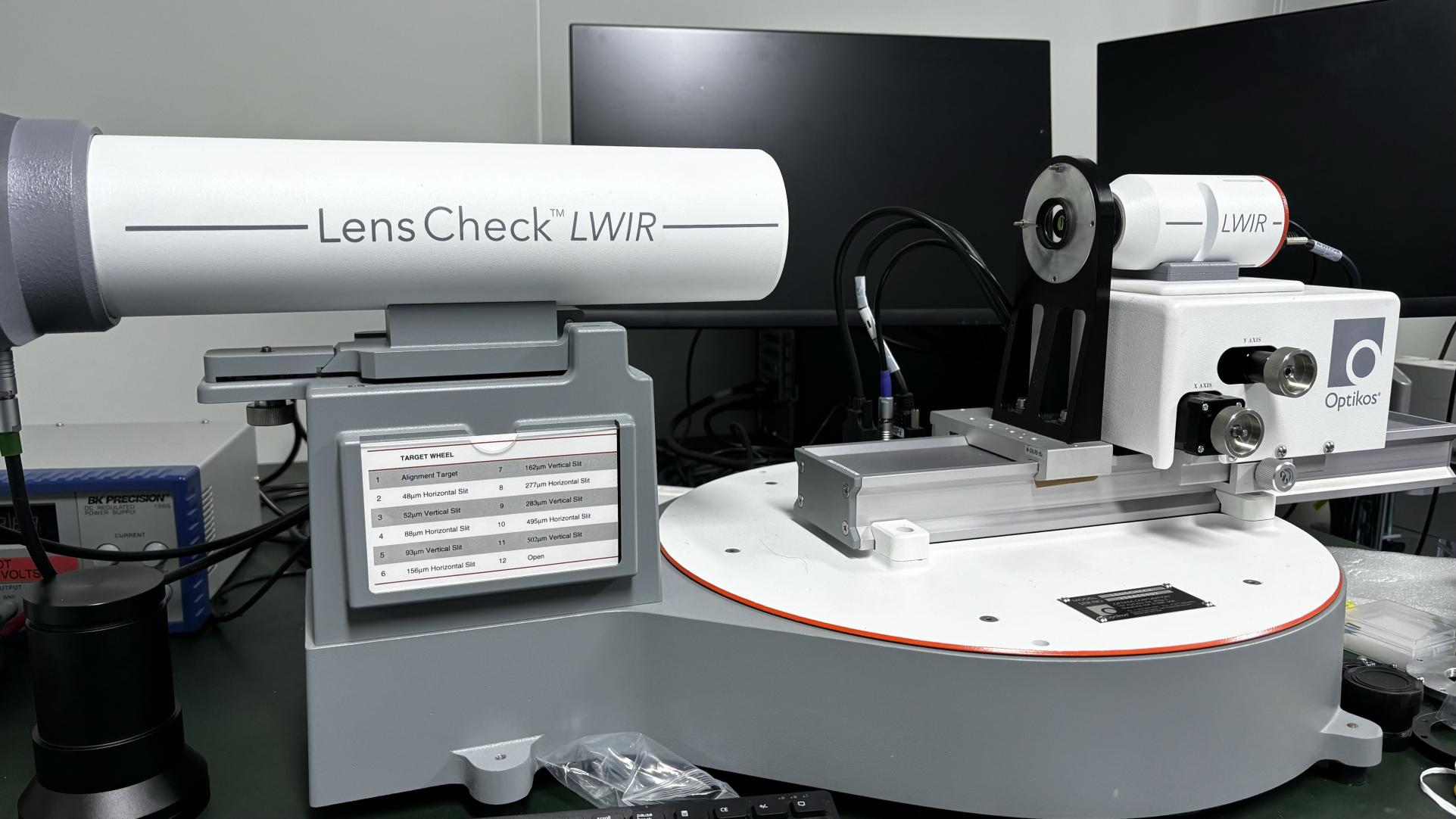
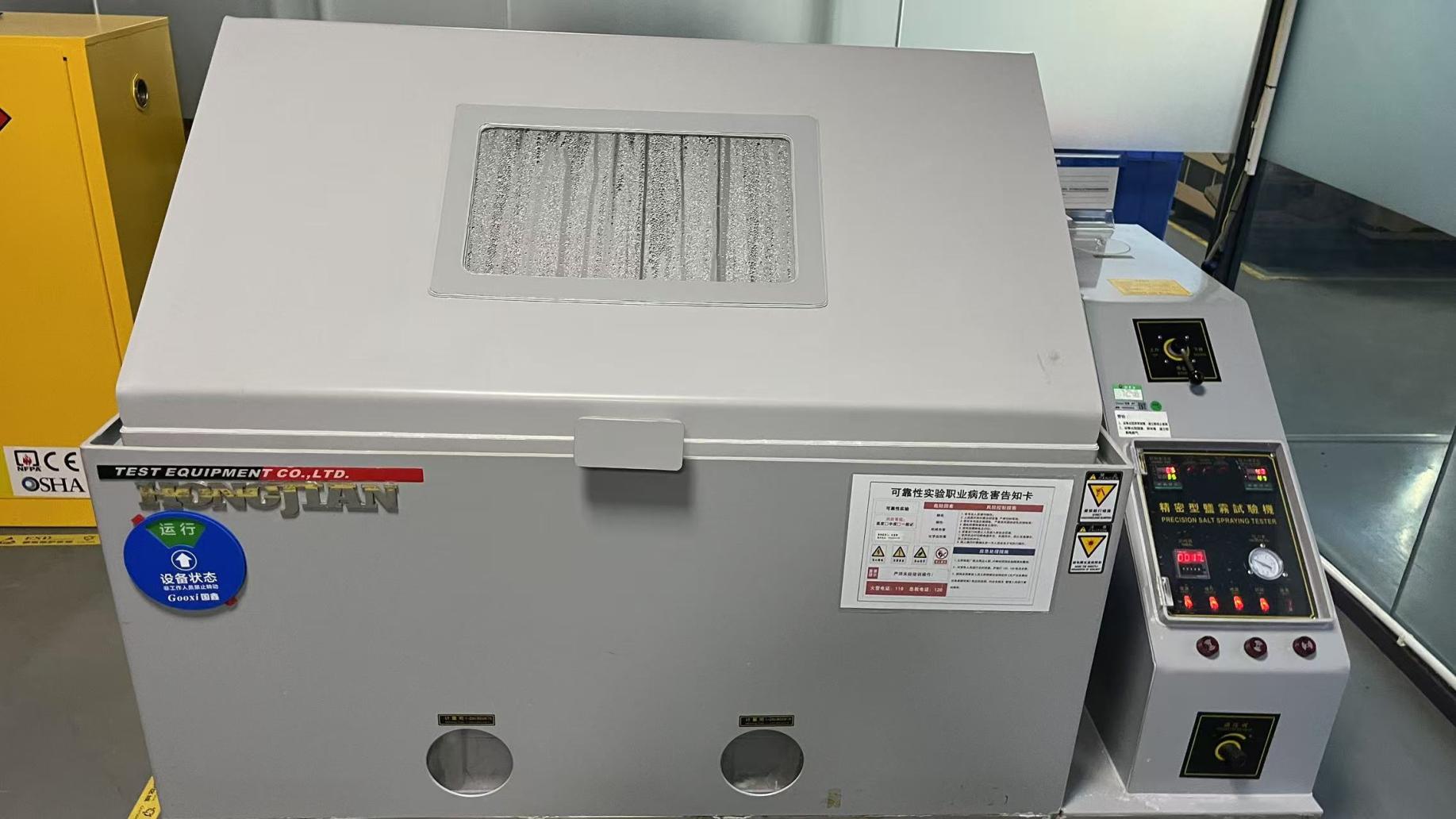
Our quality control process is managed by 42 dedicated specialists and includes six stages:
Our production capabilities prioritize data security and hardware compliance. Devixa systems support zero-trust configurations by incorporating secure boot hardware, TPM 2.0 microcontrollers, and compliant BMC firmware.
Our systems comply with global regulatory frameworks, including FCC, CE, RoHS, and local telecommunication standards. This helps global procurement managers integrate our server hardware into existing networks without regulatory friction.
Evaluating key parameters to align bare-metal servers with network management software deployments.
When deploying network monitoring tools, check memory footprints and processor core densities. High-throughput data ingestion points require multi-socket CPUs and DDR5 memory to prevent memory saturation and dropouts during log indexing.
Verify available PCIe lanes on network management controllers. Adding hardware accelerators, SmartNICs, or high-performance RAID cards (such as the 9560-8i RAID Card) requires sufficient bandwidth allocation to avoid system latency bottlenecks.
For global projects, procurement teams must coordinate import/export clearances and secure hardware delivery timelines. Devixa works with trusted freight forwarders and customs agents to facilitate distribution across major regions.
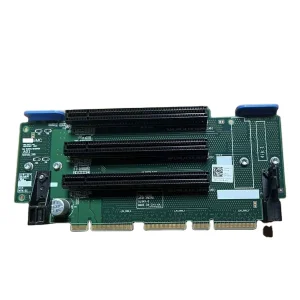
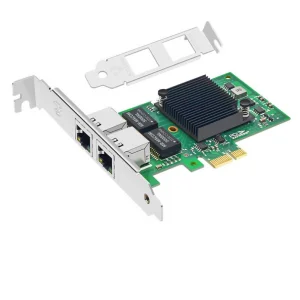
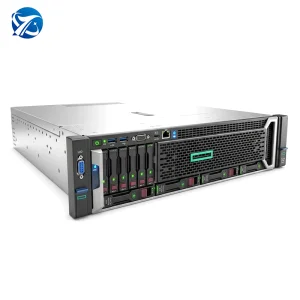
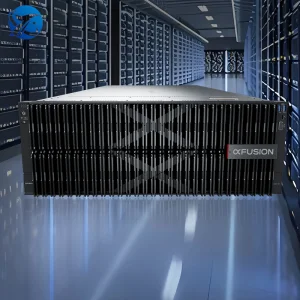
Riser boards, hardware RAID units, enterprise compute hosts, and core optical network switches.
Providing expert answers to common questions about server selection, configurations, and network operations.
Software-based network management tools rely on underlying bare-metal hardware to perform operations like continuous telemetry gathering, log ingestion, and network flow monitoring. A system configuration with high-frequency CPUs, optimized PCIe routing, and solid-state storage (such as NVMe drives configured with enterprise RAID cards) helps prevent packet loss and maintains data ingestion rates under heavy network load.
Devixa offers customized OEM and ODM hardware designs. We work with clients to configure BIOS profiles, design custom chassis graphics, adjust storage configurations (SATA, SAS, NVMe), and integrate specific accelerator options. This helps align the hardware with the target software architecture.
Each system undergoes a multi-stage testing process: Incoming Quality Control (IQC) for components, In-Process Quality Control (IPQC) during assembly, Functional Diagnostics, a continuous thermal and power Burn-In test (typically 24 to 72 hours), Final Quality Control (FQC) for software verification, and Outgoing Quality Control (OQC) to check international packaging and labeling.
DPUs and SmartNICs offload packet routing, encryption, firewall tasks, and traffic monitoring from the main host CPU. This dedicated handling reduces CPU load, lowering packet processing overhead and improving system responsiveness during telemetry analysis.
To maintain system temperatures in high-density deployments, we offer optimized airflow chassis designs with temperature-controlled fan arrays, alongside custom configuration options for direct-to-chip liquid cooling loops. These setups help keep operating temperatures within spec and reduce overall system PUE.