Devixa
In today's rapidly evolving tech landscape, choosing the right enterprise AI server manufacturer is crucial for businesses aiming to harness significant data power. According to a recent report by MarketsandMarkets, the AI server market is projected to reach $19.6 billion by 2027, reflecting an annual growth rate of 30.2%. This surge indicates the increasing dependence on AI-driven solutions across various sectors.
Leading enterprise AI server manufacturers provide high-performance solutions tailored for diverse applications. The need for robust processing capabilities is evident as organizations strive to deploy AI models effectively. Companies like NVIDIA and HPE have established themselves as front runners. However, selecting the right partner requires careful consideration of specific needs and capabilities.
Moreover, while many manufacturers claim to streamline AI integration, gaps in service and support can present challenges. Businesses often face hurdles in optimizing resources due to mismatched expectations with manufacturers. A thoughtful assessment of potential enterprise AI server providers is vital to avoid pitfalls and enhance operational efficiencies.
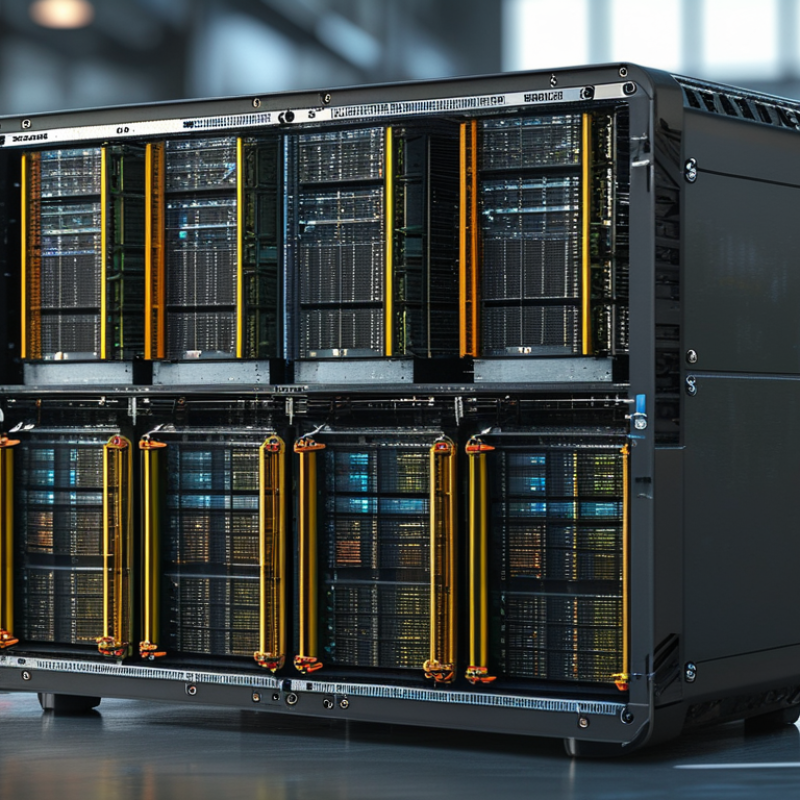
When choosing a digital enterprise AI server, several key features demand attention. First, processing power is critical. Look for servers with multiple cores and high clock speeds. These capabilities enhance performance for AI workloads. The ability to handle large datasets efficiently is essential.
Next, consider memory and storage options. Adequate RAM is necessary for running complex algorithms. Opt for configurable memory that can scale with business needs. Storage should be fast and reliable, with SSDs often preferred. Speed impacts data retrieval times, crucial for real-time analytics.
Networking capabilities also play a vital role. High bandwidth and low latency improve data transmission. Features such as built-in redundancy can boost reliability. It's valuable to assess cooling solutions as well. Efficient cooling prevents overheating and extends server lifespan. All these details contribute to a robust AI infrastructure, making them worth reflecting on.
The digital enterprise AI server market is dynamic. Many manufacturers are at the forefront. They focus on integrating advanced technologies with machine learning and big data analytics. These companies invest heavily in R&D to keep pace with ever-evolving needs.
Leading manufacturers often emphasize scalability and flexibility. Their servers support diverse applications like data processing and cloud computing. However, choosing the right provider can be challenging. Features vary widely, and so does pricing. It’s essential to assess specific requirements before making a decision.
While some manufacturers claim superior performance, not all live up to expectations. Occasionally, user reviews point to reliability issues. Thus, it's crucial to research and gather feedback from various sources. Ultimately, understanding the market landscape will help organizations select the best solution for their digital transformation journey.
| Manufacturer | Market Share (%) | Product Range | Key Features | Customer Support |
|---|---|---|---|---|
| Manufacturer A | 25% | AI Servers, GPU Servers | High-performance GPU, Scalable Architecture | 24/7 Support, On-site Assistance |
| Manufacturer B | 20% | AI Solutions, Edge Computing Servers | Energy-efficient, Built-in Security | Dedicated Account Manager, Online Resources |
| Manufacturer C | 15% | Cloud AI Servers, Data Analytics Servers | AI Optimization, Custom Configurations | Live Chat Support, Knowledge Base |
| Manufacturer D | 10% | High-Performance Computing, AI Training Servers | High Throughput, Multi-User Environment | Email Support, Community Forums |
| Manufacturer E | 5% | AI Workstations, Research Servers | High Reliability, Modular Design | Limited Hours Support, User Manuals |
In the competitive landscape of AI servers, performance metrics play a crucial role in decision-making. Various studies indicate that processing speed, energy efficiency, and scalability are essential factors. According to a recent report, leading AI server solutions offer a processing speed increase of up to 30% compared to previous generations. This improvement can significantly optimize workloads and reduce project timelines.
Yet, not all solutions deliver consistent performance across different applications. Findings suggest that certain servers excel in deep learning tasks but struggle with natural language processing. This discrepancy highlights the importance of aligning server capabilities with specific business needs. Moreover, energy consumption is increasingly important; a study pointed out that specifically designed AI servers can cut energy use by around 25%, which not only reduces costs but also enhances sustainability.
Tips: Always monitor the performance metrics of your chosen AI server regularly. Regular assessments can reveal whether your system meets evolving business demands. Additionally, consider future scalability when selecting a server. This foresight can prevent costly upgrades down the line.
Choosing the right AI server for enterprise needs can be challenging. Integration and scalability are key factors. According to a recent report by International Data Corporation (IDC), 55% of enterprises struggle with integrating AI into existing infrastructures. This highlights the importance of selecting a server that can seamlessly mesh with your current systems.
A flexible architecture is vital. Companies often need to expand their AI capabilities without overhauling their entire infrastructure. Research from Gartner indicates that nearly 75% of organizations prioritize scalability when selecting AI solutions. This insight suggests that businesses should look for servers that support modular upgrades and can accommodate increasing workloads over time.
On the other hand, many organizations underestimate the maintenance costs associated with AI servers. Some reports indicate that operational expenses can account for up to 30% of total IT budgets. This statistic emphasizes the need to evaluate long-term costs, not just initial pricing. Thoughtful consideration of these factors can lead to more informed decisions, ultimately leading to better AI integration within an enterprise context.
The future of AI server technologies is evolving rapidly. Companies increasingly rely on powerful AI systems for data processing and decision-making. This shift necessitates servers that can handle vast datasets and complex algorithms efficiently. Emerging trends indicate a focus on energy efficiency and scalability. As organizations grow, their AI needs expand. However, not all servers meet these demands adequately.
The integration of edge computing is becoming significant. It allows data to be processed closer to its source, reducing latency. This is crucial for real-time analytics and decision-making. Moreover, technologies like federated learning are gaining attention. They enable model training across multiple devices without centralized data. This approach enhances data privacy and security. Yet, implementing these solutions can pose challenges. Many enterprises struggle with the transition and integration of new technologies.
AI transparency is another essential trend. Businesses are emphasizing explainable AI to ensure trust and accountability. Stakeholders seek clarity on AI decision-making processes. However, creating transparent models can be complex and resource-intensive. It's vital for organizations to evaluate their needs carefully. They must balance innovation with practicality to avoid missteps in their AI deployments.
I server?
Processing power enhances performance for AI workloads, making it critical.
Adequate RAM is necessary, preferably configurable to scale with business needs.
Fast and reliable storage impacts data retrieval times, crucial for real-time analytics.
Look for high bandwidth, low latency, and built-in redundancy for reliability.
Efficient cooling prevents overheating, which can extend the server's lifespan.
No, some may claim superior performance but not deliver. Research is important.
Users may experience reliability issues or find features that do not meet expectations.
Gather feedback from multiple sources and assess your specific needs before choosing.
Scalability supports diverse applications and adapts to evolving business requirements.
In the evolving landscape of digital enterprise AI servers, choosing the right enterprise AI server manufacturer is crucial for organizations seeking to leverage artificial intelligence effectively. Key features such as performance metrics, integration capabilities, and scalability should be carefully considered to ensure that an AI server meets specific business needs.
The article highlights the top manufacturers leading the market and provides a comparative analysis of their performance metrics, helping businesses make informed decisions. Understanding future trends in AI server technologies is also essential, as it enables enterprises to stay ahead in a rapidly changing environment, ensuring long-term success and efficiency in their AI initiatives.
